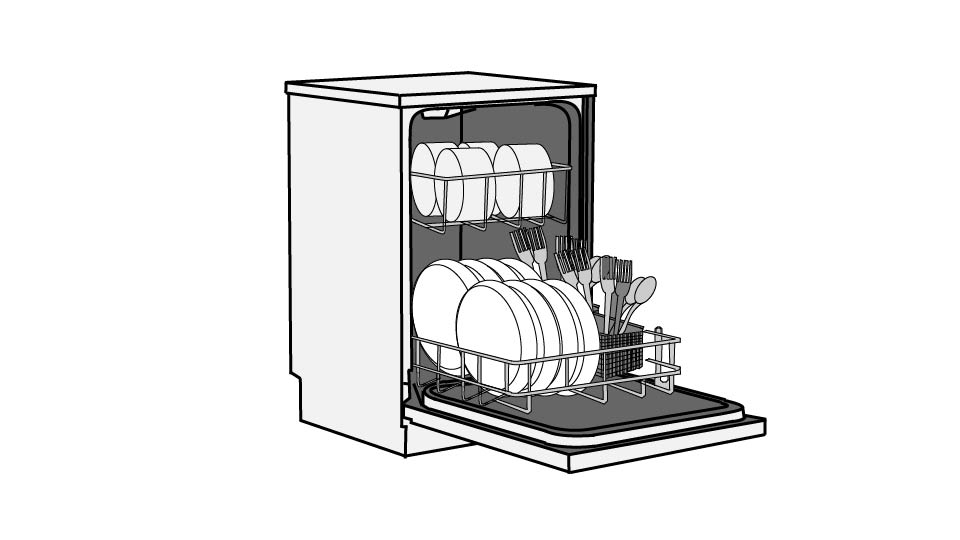
Your dishwasher fills with water, sprays dishes, drains, and repeats.
Seems simple, right?
Except when it’s not. When a dishwasher leaks, backs up, or won’t drain, suddenly you’re wondering if you need to call a plumber or if it’s something you can fix yourself.
Here’s the thing: understanding how your dishwasher actually works—the water it uses, how it drains, what connections matter—is the difference between a $300 service call and a $15 fix you do yourself.
Let’s demystify it.
The Basic Concept: A Small Plumbing System Inside Your Cabinet
Your dishwasher is essentially a mini plumbing system. It has:
- Water inlet – Where hot water enters
- Pump and spray arms – How water reaches the dishes
- Drain pump – How water leaves
- Control system – Timing everything
All of it works together in cycles: fill, spray, drain, repeat.
Understanding each part helps you spot problems before they become disasters.
The Water Supply: Hot Water In
Your dishwasher connects to your hot water line. Not cold, not mixed—hot.
Why Hot Water Matters
Hot water cleans better. It dissolves detergent more effectively. It sanitizes dishes. Cold water does none of these things well.
How it connects:
- Flexible supply line runs from your hot water line to the dishwasher inlet valve
- Inlet valve opens and closes to control water flow
- Water enters the tub at the bottom
Common Supply Problems
Dishwasher won’t fill: Usually the inlet valve is stuck or the water line is kinked.
Water temperature is lukewarm: Your water heater isn’t hot enough, or the supply line is too long (water cools before reaching the dishwasher).
Slow fill: Screen in the inlet valve is clogged with sediment.
Real talk: Most fill problems are fixable. The inlet valve can be cleaned or replaced ($50-150 for parts and labor, or DIY if you’re comfortable).
The Spray System: Getting Water to the Dishes
Once water enters the tub, it needs to reach the dishes. That’s where spray arms come in.
How Spray Arms Work
Lower spray arm:
- Rotates at the bottom of the tub
- Has holes that create spray jets
- Powered by water pressure from the pump
Upper spray arm:
- Rotates near the top
- Covers dishes on the upper rack
- Also water-powered (more pressure = faster spin)
The mechanism: Water pressure forces the arms to rotate. As they spin, holes in the arms spray water at the dishes.
Why Spray Arms Fail
Clogged holes: Food particles, mineral deposits, or sediment block the spray holes. Water can’t spray, dishes don’t get clean.
Broken arm: Cracks in the plastic or broken mounting brackets prevent rotation.
Stuck arm: Debris or mineral buildup prevents movement.
The Fix
Most spray arm problems are cheap to fix:
- Remove the arm (usually clips or screws)
- Soak in hot water with vinegar to dissolve mineral deposits
- Use a toothpick or small wire to clear clogged holes
- Rinse thoroughly
- Reinstall
Cost: $0 (if you clean it) or $30-80 (if you replace the arm)
Pro tip: If your dishes aren’t getting clean, check the spray arms first. It’s usually the culprit.
The Wash Cycle: Detergent and Temperature
Once the spray arms are working, the cycle begins.
Temperature During the Wash
Most dishwashers heat the water internally during the wash cycle. Even though hot water enters, the machine may add more heat to reach optimal cleaning temperature (usually 140-150°F).
This is why your water heater doesn’t need to be screaming hot—the dishwasher does its own heating.
Detergent Dispensing
Detergent is released at specific points in the cycle:
Main wash: Most detergent releases here Rinse aid: Optional but helpful (reduces spotting)
The detergent cup opens automatically during the cycle—usually spring-loaded, triggered by a timer or sensor.
Common Cycle Issues
Detergent not dissolving: Water temperature is too low (your water heater isn’t hot enough).
Dispensing cup won’t open: Spring mechanism is broken or stuck with detergent residue.
Water is too hot (dishes are hot): Dishwasher’s internal heating is working correctly. This is normal—don’t touch hot dishes right out.
The Drain System: Water Out
Once dishes are clean, the water has to go somewhere. That’s where the drain system comes in.
How Dishwasher Drains Work
Drain pump:
- Powered by an electric motor
- Spins at the end of the wash cycle
- Creates suction that pulls dirty water out
Drain hose:
- Flexible plastic tube (usually 1-1.5″ diameter)
- Runs from the dishwasher to your kitchen drain
- Sometimes loops upward (air gap) for safety
Air gap (optional but smart):
- Small cylinder installed on your countertop or sink
- Prevents backflow of dirty water into the dishwasher
- If water backs up, it flows into the air gap instead of into your dishes
The Critical Detail: Drain Height
The drain hose cannot drain uphill.
If the dishwasher drain hose goes up and then down to reach the drain, the high point becomes a water trap. Water collects there, causing:
- Slow draining
- Standing water in the tub after a cycle
- Mold and odor
The fix: Loop the hose up high (creating a high point above water level), then down to the drain. This prevents water from pooling.
Common Drain Problems
Dishwasher won’t drain: Usually a clogged drain hose or kitchen drain. Food particles, grease, or mineral buildup block the flow.
Water in the tub after the cycle: Drain hose is kinked, clogged, or has a low point where water collects.
Water backs up into the dishwasher during other sink drains: Your kitchen drain is clogged, causing backflow into the dishwasher.
Standing water and smell: Stagnant water in the hose (usually due to improper hose routing).
Fixing Drain Problems
For a clogged hose:
- Turn off the dishwasher
- Disconnect the drain hose from the drain
- Use a plumbing snake or straightened wire to clear the blockage
- Flush the hose with hot water
- Reconnect
Cost: $0 (if you do it) or $100-200 (if you call a plumber)
Pro tip: Prevention beats cure. Use a drain strainer on your kitchen sink to catch food particles before they reach the dishwasher drain.
The Filter: Catching What Shouldn’t Go Down
Most modern dishwashers have a filter at the bottom of the tub.
What the Filter Does
Catches food particles, preventing them from:
- Clogging the drain pump
- Getting stuck in the spray arms
- Backing up into your kitchen drain
Filter Maintenance
Clean it regularly:
- After running the dishwasher, remove the filter
- Rinse it under hot water
- Use an old toothbrush to scrub away debris
- Reinstall
How often? Every 1-2 weeks if you load heavily, or after every 3-4 cycles if you notice buildup.
Real talk: Dirty filters are the #1 cause of dishwasher performance problems. It’s a 30-second fix that prevents $300 in repairs.
Water Leaks: The Most Common Problem
If your dishwasher leaks, it’s usually one of a few things.
Where Leaks Happen
Door seal (most common):
- Rubber gasket around the door
- Fails from age, detergent buildup, or food particles
- Cost to replace: $30-100
Supply line connection:
- Where the inlet hose connects to the valve
- Usually a simple tightening or new washer ($5-15)
Drain hose connection:
- Where the drain hose connects to the pump
- Clamp may be loose or hose may be cracked
Internal tub:
- Cracks or holes in the plastic tub
- Usually means replacement time (tub is internal)
Diagnosing a Leak
Is water leaking during the cycle? Usually the door seal or internal tub.
Is water leaking under the dishwasher? Usually a supply or drain hose connection.
Is water leaking around the door? Usually the door seal.
Quick Fixes
Loose supply/drain connection: Tighten the fitting by hand. If it still leaks, turn off water and replace the hose.
Door seal is dirty: Remove the seal and soak it in hot water with vinegar. Detergent buildup can prevent it from sealing.
Door seal is damaged: Replacement is straightforward ($50-150 depending on the model).
Maintenance: Preventing Problems
Clean the filter monthly
- 30 seconds, prevents most problems
Run the dishwasher hot
- Use hot water from the tap, or let the dishwasher heat it
- Cold water = poor cleaning and drainage
Use the right detergent
- Too much detergent causes overflow and suds
- Too little leaves residue on dishes
Check the drain hose routing
- Should loop high, then down to the drain
- Not flat, not kinked, not underwater
Clean the spray arms periodically
- Soaking in vinegar dissolves mineral deposits
- Toothpick clears clogged holes
Don’t ignore small leaks
- A slow drip today is water damage tomorrow
- Fix it immediately
When to Call a Professional
Call a plumber or appliance repair when:
- Internal motor sounds make grinding noises
- Electrical components seem faulty (sparks, burning smell)
- Tub is cracked
- You’re unsure about any repair
Don’t mess with:
- Electrical components
- The heating element
- Internal sensors or timers
Real talk: Some repairs are beyond DIY. Knowing when to stop is wisdom, not failure.
The Bottom Line
Your dishwasher is a mini plumbing system. It fills with hot water, sprays dishes clean, and drains away dirty water.
Most problems are fixable: clean filters, unclog spray arms, replace door seals, fix drain hoses.
Understand how it works, and you stop being mystified by it. You become someone who spots problems early and fixes them before they become disasters.
Related Guides You Might Find Helpful
- How Your Home’s Plumbing System Actually Works: From Street to Sink to Sewer – The cornerstone: understanding all plumbing systems
- Water Supply 101: Pipes, Valves, and Flow (And Why They Matter) – Understanding water pressure and supply lines
- Drainage Basics: Where Does the Water Go? – How drain systems work
- Seals, Gaskets, and Tapes: The Invisible Workers That Stop Leaks – Understanding what prevents leaks in connections
Amazon Affiliate Recommendations
Replacement Parts & Maintenance
Dishwasher Filter Replacements – Keep a spare on hand. Filters wear out, and replacements are cheap insurance against performance problems.
Drain Hose Kits – If your drain hose is kinked, cracked, or clogged beyond cleaning, replacement is straightforward and affordable.
Door Seal/Gasket Replacements – The most common leak source. Replacement seals are model-specific, so bring your dishwasher model number to the store or order the exact match online.
Cleaning & Prevention
Dishwasher Cleaning Tablets – Run one through an empty cycle monthly to dissolve mineral deposits and keep spray arms flowing freely.
Drain Snake or Plumbing Auger – For clearing clogged drain hoses. Saves a service call if your dishwasher won’t drain.
Spray Arm Replacement Kits – If cleaning doesn’t restore function, replacement arms are cheap and easy to install.
Tools & Supplies
Basic Appliance Repair Tool Set – Screwdrivers, clips, and fastener removal tools. Makes disassembly easier if you’re tackling repairs yourself.
Shop Towels or Absorbent Cloths – Essential for any leak diagnosis or repair work. Keep them handy.
As an Amazon Associate, I earn from qualifying purchases. Click through the links above to support Skippity Whistles.
DIY appliance repairs involve risk. Always turn off power and water before attempting repairs. When in doubt, call a licensed appliance repair technician.
3030
©2026 SkippityWhistles.com All rights reserved
