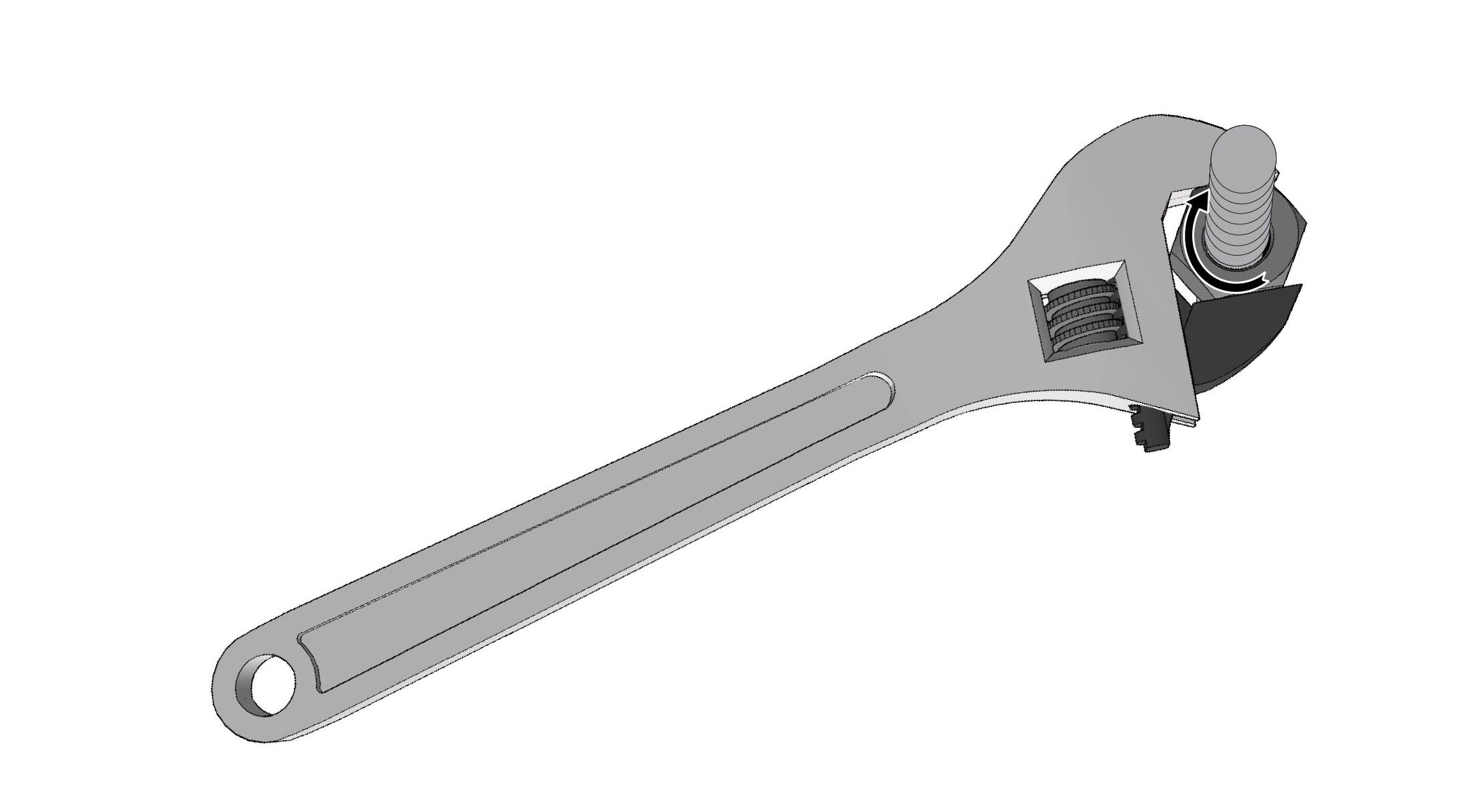
An adjustable wrench is one of the most versatile hand tools you can own, but it’s also one of the most commonly misused. If you’ve ever rounded off a bolt or struggled to get a good grip, chances are an adjustable wrench wasn’t being used correctly.
This beginner-friendly guide explains how to use an adjustable wrench properly, how to choose the right size, and how to avoid the most common mistakes.
What Is an Adjustable Wrench?
An adjustable wrench (sometimes called a crescent wrench) is a hand tool with a movable jaw that allows it to fit fasteners of different sizes. Instead of switching between multiple fixed-size wrenches, you can adjust the jaw width using the thumbwheel.
Adjustable wrenches are commonly used for:
- Plumbing fittings
- Nuts and bolts
- Light mechanical work
- General household repairs
They’re especially useful when you don’t know the exact size of the fastener you’re working with.
Parts of an Adjustable Wrench
Understanding the basic parts helps you use the tool correctly:
- 1-Fixed jaw – The stationary side of the wrench
- 2-Movable jaw – Adjusts to fit the fastener
- 3-Thumbwheel (worm gear) – Controls jaw width
- 4-Handle – Provides leverage
The fixed jaw should always bear most of the force when turning.

How to Use an Adjustable Wrench Correctly (Step by Step)
1. Adjust the Jaw to Fit the Fastener
Turn the thumbwheel until the jaws fit snugly around the nut or bolt. There should be no visible gap. When you jiggle the handle, it should not move.
A loose fit is the main cause of slipping and rounded fasteners.
2. Position the Wrench the Right Way
Place the wrench so that:
- The fixed jaw faces the direction of rotation.
- The force is applied toward the fixed jaw, not the movable one
This keeps the jaws tight under pressure.
3. Pull, Don’t Push
Whenever possible, pull the wrench toward you instead of pushing it away. This gives you better control and reduces the chance of slipping.
4. Re-Adjust as Needed
If the wrench loosens while turning, stop and tighten the jaw again. Adjustable wrenches are not “set and forget” tools — small adjustments are normal.
Common Adjustable Wrench Mistakes to Avoid
- ❌ Using the wrench with loose jaws. This allows the wrench to slip and can most often damage the fastener.
- ❌ Applying force to the movable jaw side. The wrench is weaker on the movable jaw side, and can easily slip.
- ❌ Using an adjustable wrench as a hammer. Always use a hammer as a hammer. Using an adjustable wrench can damage the moving parts.
- ❌ Using too small of a wrench of a fastener that requires heavy torque. A small wrench on a large fastener is a recipe for busted knuckles. If you must open the moveable jaw all the way to the bottom, you should get a bigger wrench.
For stubborn or high-torque fasteners, a fixed-size wrench or socket wrench may be a better choice.
Choosing the Right Adjustable Wrench Size
Adjustable wrenches come in several lengths, typically:
- 6-inch
- 8-inch
- 10-inch
- 12-inch
For most DIY and household tasks, an 8-inch or 10-inch adjustable wrench offers the best balance of reach and control.
View a reliable 8-inch adjustable wrench on Amazon
(Disclosure: As an Amazon Associate, I earn from qualifying purchases.)
Recommended Adjustable Wrench for Home DIY
If you’re just starting out, look for an adjustable wrench with:
- Clearly marked measurement scale
- Smooth thumbwheel action
- Comfortable, non-slip handle
A well-made adjustable wrench will last for years and handle most household projects.
See a beginner-friendly adjustable wrench on Amazon
Adjustable Wrench vs. Other Wrenches
An adjustable wrench is convenient, but it’s not always the best tool.
- Adjustable wrench: Versatile, quick sizing
- Combination wrench: Better grip, less slipping
- Socket wrench: Faster for repeated fasteners
Many DIYers keep all three types on hand.
Safety Tips When Using an Adjustable Wrench
- Wear gloves when working in tight spaces
- Keep your free hand clear of pinch points
- Stop if the wrench begins to slip
- Use the correct tool for heavy-duty jobs
Final Thoughts
An adjustable wrench is a simple tool, but using it correctly makes a big difference. With proper jaw adjustment, correct positioning, and a quality wrench, you’ll avoid damaged fasteners and get better results from your DIY projects.
For most homeowners, a single good adjustable wrench is one of the most useful tools you can own.
Related Posts:
DIY projects involve risk. Always follow manufacturer instructions and use appropriate safety precautions.
7011
©2026 SkippityWhistles.com All rights reserved
