Ron’s furnace died at 2 AM in February, on the coldest night of the year, after roughly three straight years of unchanged filters and skipped annual service calls. The repair technician who showed up that morning wasn’t surprised at all — he’d seen the exact same failure a hundred times, always on the coldest possible night, always preventable with a fifteen-dollar filter and a service call Ron kept meaning to schedule. The furnace hadn’t failed without warning. It had been getting steadily louder and less efficient for years. Ron just hadn’t been listening.
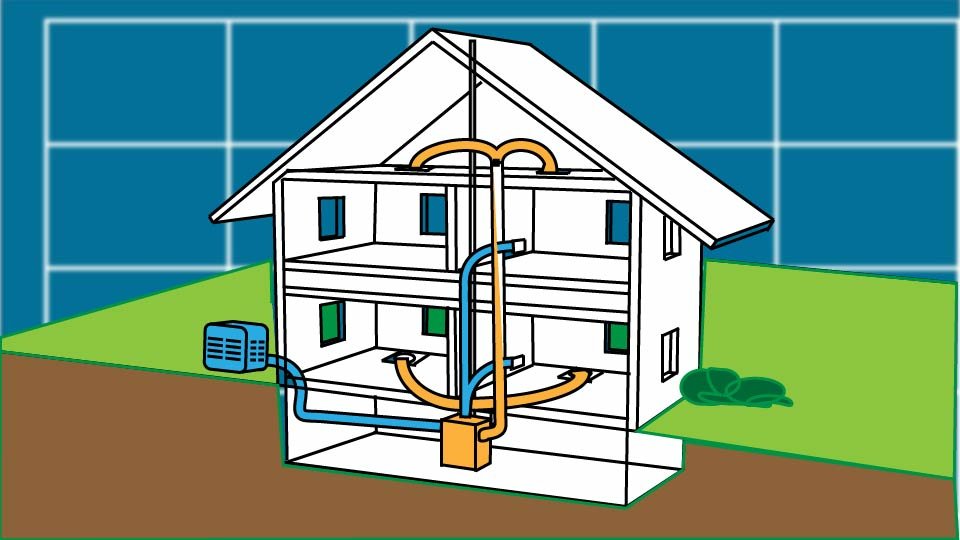
A furnace looks mysterious sitting in a basement making noise and heat, but it’s actually doing something straightforward: burning fuel, or using electricity, to create heat, then blowing that heat through the same ductwork the air conditioner uses in summer. No refrigerant cycle, no heat moving in from outside — just controlled combustion and a fan.
🔥⚡🛢️ Three Types, One Job
- A gas furnace (the most common type) burns natural gas or propane, running 80 to 95 percent efficient depending on age and maintenance — reliable and affordable, right up until neglect catches up with it.
- An electric furnace heats metal coils with electricity, essentially a house-sized toaster, and runs 100 percent efficient since none of the energy goes to waste as exhaust — but electricity costs enough more than gas that the efficiency gain often gets eaten by the bill.
- An oil furnace, more common in older homes and areas without gas service, atomizes and ignites heating oil, running 80 to 90 percent efficient and requiring a storage tank and regular delivery — that faint burnt smell when it starts is normal, not a warning sign.
🔩 The Parts Actually Doing the Work
- The burner is where combustion or electric heating actually happens — gas ignites at a burner, oil gets atomized and sprayed before ignition, electric coils simply heat up when current flows through them.
- The heat exchanger transfers that heat into the air moving through the house without letting the two mix directly.
- The blower fan pushes heated air through the ducts.
- The thermostat monitors room temperature and tells the furnace when to start and stop.
- The igniter or pilot light creates the flame that starts combustion; modern electric igniters are more reliable than a pilot light that has to stay lit continuously.
- And the exhaust vent carries combustion gases safely outside.
🔄 The Cycle, Start to Finish
- The thermostat detects the room has dropped below the set temperature and signals the furnace to start.
- The igniter creates a flame, and gas (or oil, or electric current) begins combustion or heating.
- Hot combustion gases flow through the heat exchanger, where a blower pushes house air across those same passages, picking up heat without ever mixing with the combustion gases directly.
- That heated air travels out through supply ducts into every room.
- Once the thermostat senses the set temperature has been reached, it signals the furnace to shut down — the burner stops, fuel flow stops, and the blower runs briefly longer to push out the last of the heat before it stops too.
This whole cycle repeats ten to twenty times a day through a cold winter, which is a lot of wear for a machine that mostly gets ignored until it stops.
⚡ Why It Needs Electricity Even When It’s Gas
This trips people up constantly: if a furnace burns gas, why does a power outage kill it too?
Because gas provides the heat energy, but electricity runs everything else — the igniter, the blower, the thermostat, the control board.
No power means no functioning furnace, regardless of how much gas is available. Worth knowing before the first winter storm knocks the power out.
📉 Why Efficiency Drops Over Time
- Age alone costs efficiency — a furnace pushing 20 years old might run around 80 percent where a new one hits 95.
- A dirty filter forces the blower to work harder while reducing actual heat transfer, and it’s the single most avoidable cause on this entire list — a $15 filter, swapped monthly through heating season, prevents a real share of furnace complaints before they start.
- An unmaintained heat exchanger collects dust that reduces transfer efficiency, which annual professional service catches.
- Poor insulation and leaky ducts both force the furnace to generate more heat than actually reaches a room.
- And a thermostat set higher than necessary costs real money for every extra degree — the furnace itself can’t fix that particular problem, only the thermostat setting can.
🔍 Reading the Symptoms
- A furnace that won’t ignite usually points to a bad igniter, an out pilot light, or a gas supply issue — call a professional rather than troubleshooting gas ignition personally.
- Constant on-off cycling often traces back to a dirty filter or a thermostat problem, worth checking before anything more involved.
- Running but not heating well points to airflow — check the filter again — or a failing blower motor.
- Loud banging or grinding, as opposed to normal expansion sounds, means something’s genuinely wrong and worth a professional look before it gets worse.
- A persistent unusual smell, beyond the brief dust-burning smell of a furnace starting up after sitting idle, is worth the same call.
- And a house that feels cold despite the thermostat reading warm often means the thermostat itself is poorly placed or failing, not the furnace.
🧯 Maintenance Worth Actually Doing
- Change the filter monthly during heating season — genuinely the single highest-value, lowest-effort thing on this entire list.
- Keep the area around the furnace clear of boxes and clutter blocking vents or intake air.
- Schedule annual professional service before winter starts, not after something fails — a technician cleans the burner, checks the heat exchanger, and tests for carbon monoxide, and the $150 to $300 it costs is considerably less than an emergency call on the coldest night of the year.
- Don’t block supply vents or return grilles with furniture.
- And test carbon monoxide detectors monthly, replacing batteries yearly without fail.
🛒 Gear Worth Having
Furnace Air Filter Multi-Pack (Pleated, MERV 11) — Confirm the exact size for your system first — buying a multi-pack means the filter’s actually on hand the month it needs changing, not just planned for.
Carbon Monoxide Detector, Plug-In with Battery Backup — Essential in any home with a gas or oil furnace, and the battery backup keeps it working even through a power outage.
WiFi-Enabled Programmable Smart Thermostat — A thermostat that’s actually reporting the right temperature solves more “furnace problems” than people expect, and scheduling saves real money over a season.
As an Amazon affiliate, I earn from qualifying purchases. Thank you for supporting SkippityWhistles.
📖 Related Reads
SkippityWhistles is part of the WhistleBump group – find the rest of the family at WhistleBump.com.
3029
©2026 John D Reinhart/Skippitywhistles.com — All rights reserved