Ron owns exactly one handsaw, a general-purpose wood saw he’s had for years, and one afternoon he decided it could probably handle a length of metal pipe too. A saw is a saw, right? It could not. The teeth dulled almost instantly, the pipe barely showed a scratch, and Ron spent twenty minutes generating noise and sawdust-adjacent metal shavings while accomplishing essentially nothing. Come on, Ron. You could have guessed that wood teeth on metal pipe was never going to end well.
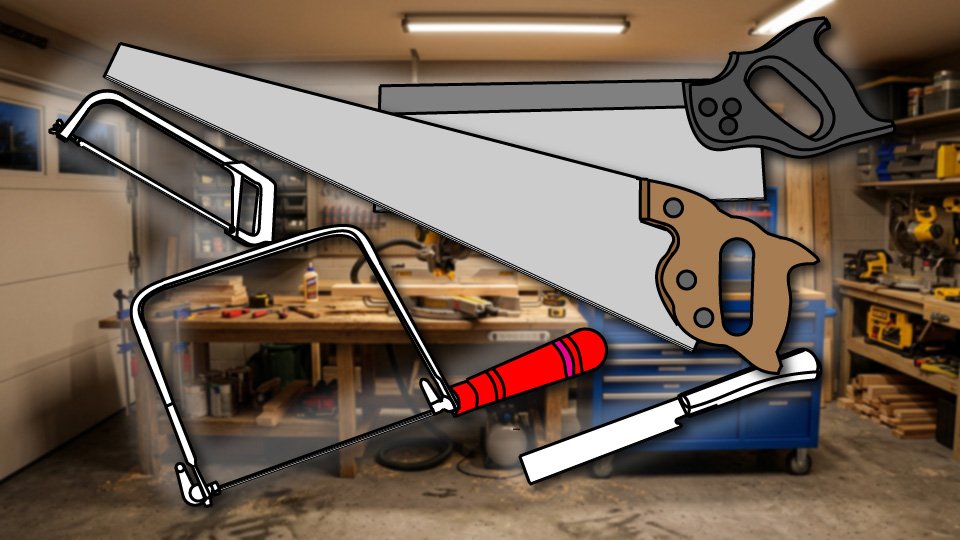
Here’s the thing nobody tells you up front: “handsaw” isn’t one tool. It’s a small family of tools that all share a handle and a blade and otherwise have almost nothing in common. Knowing which one does which job is the difference between a clean cut and Ron’s metal pipe incident.
🪵 Hand Saw (Panel Saw): The Generalist
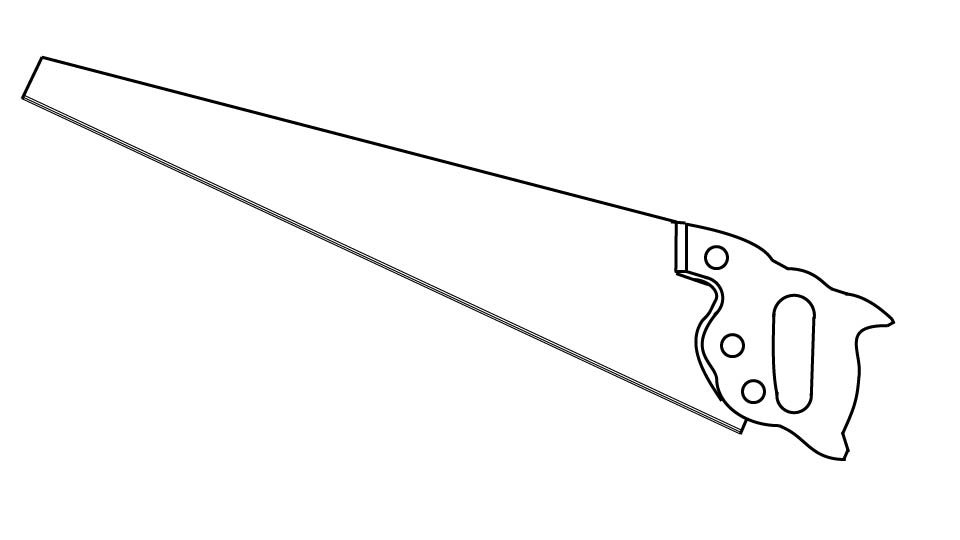
This is the classic saw shape everyone pictures — long blade, coarse teeth, built for cutting lumber to length and general rough framing work. It comes in crosscut versions (cutting across the wood grain) and rip versions (cutting with the grain), and tooth count (TPI, or teeth per inch) trades off speed for smoothness — fewer teeth cut faster and rougher, more teeth cut slower and cleaner. If you only ever own one saw, this is the one.
📐 Back Saw: Precision for Joinery
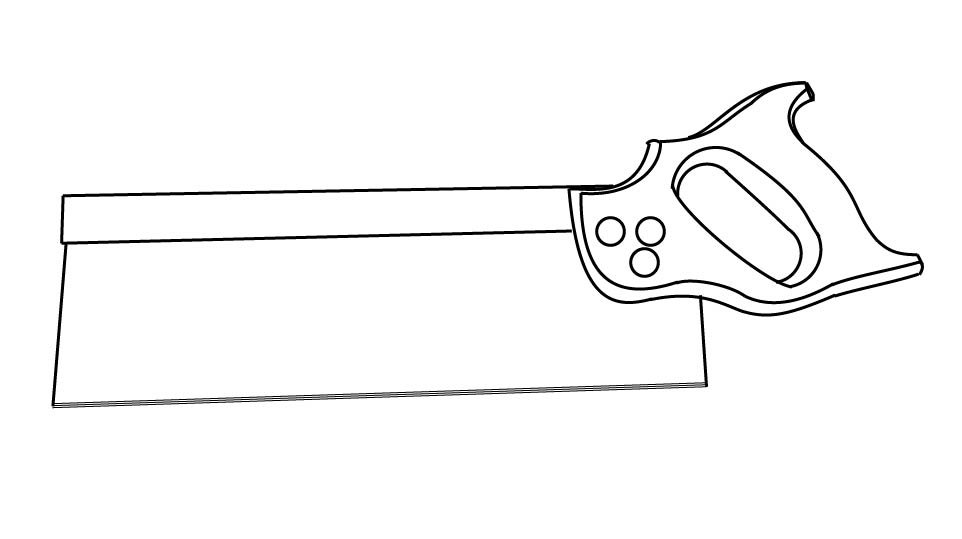
A back saw has a reinforced metal spine running along its top edge, which keeps the thin blade rigid and dead straight — exactly what fine joinery and trim work demand. Miter saws, tenon saws, and dovetail saws are all back saw variants, generally running finer teeth (12 to 20 TPI) than a general panel saw. This is not the tool for rough framing. It’s the tool for the cut that actually shows.
🔄 Coping Saw: Curves and Cutouts
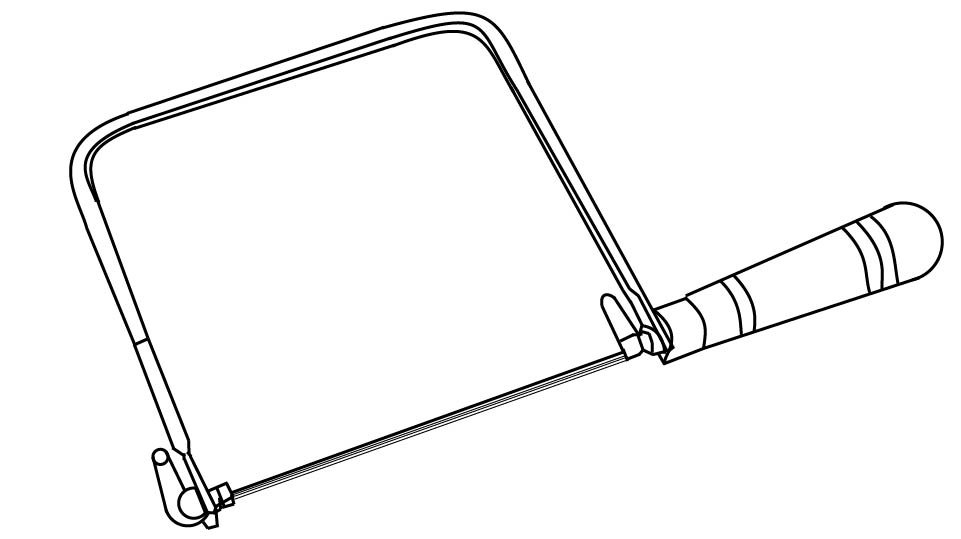
A coping saw holds a thin, replaceable blade in a U-shaped frame, and that blade can rotate to follow a curve that a straight-bladed saw simply can’t manage. It’s the right tool for curved cuts, detailed shapes, and interior cutouts — genuinely irreplaceable for that specific category of work, and useless outside it.
🔩 Hacksaw: The Metal Specialist
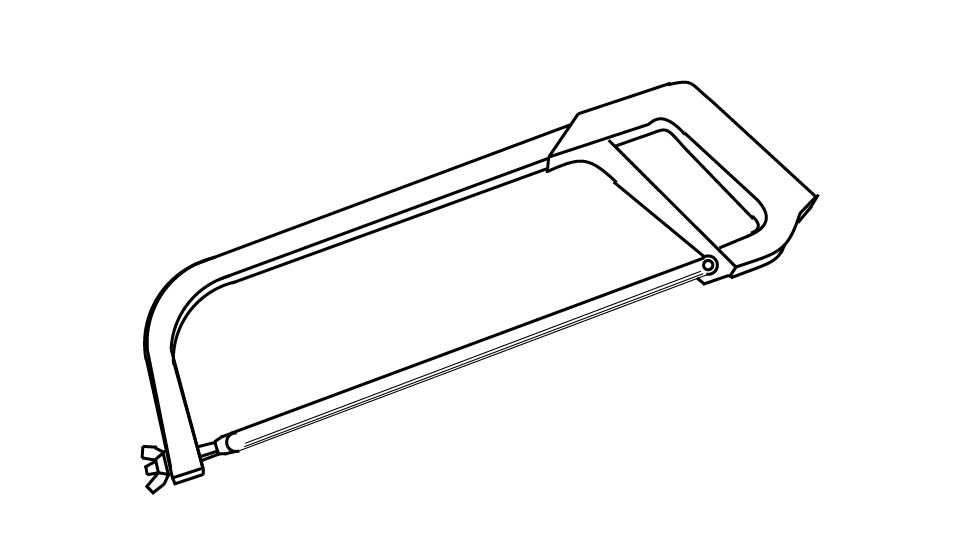
A hacksaw uses a thin, replaceable, fine-toothed blade under tension in a frame, purpose-built for metal pipe, bolts, threaded rod, and plastic or PVC. This is the saw Ron actually needed for his pipe. Blade tension matters here — a loose blade wanders and binds, while a properly tensioned one tracks straight through material a wood saw wouldn’t even scratch.
🎌 Japanese Pull Saw: Cutting on the Pull
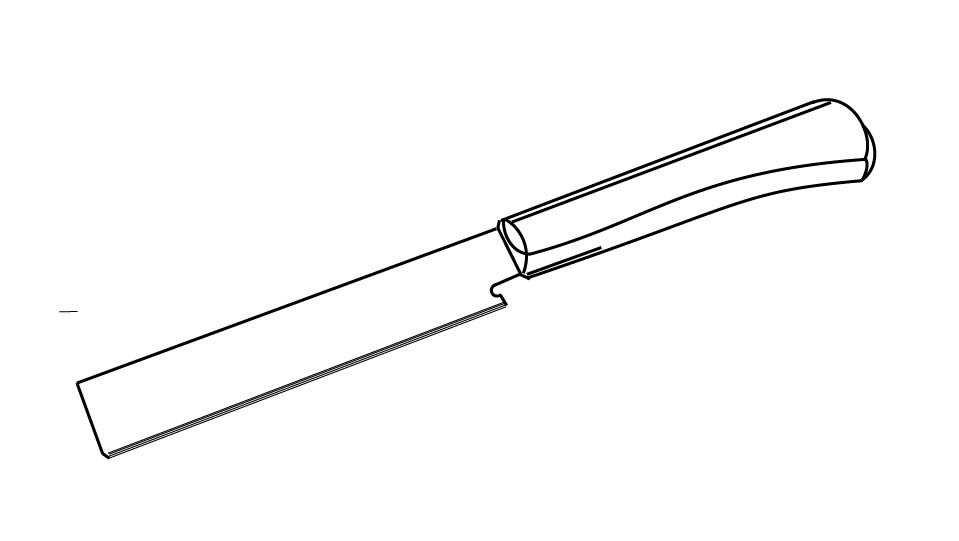
Most saws cut on the push stroke. A Japanese pull saw cuts on the pull instead, which lets the blade run thinner without buckling, remove less material per cut, and produce a noticeably cleaner result with less effort. Precision woodworkers reach for these constantly, especially on thin stock and trim, for exactly that reason.
🌳 Pruning Saw: The Outdoor Bonus Round
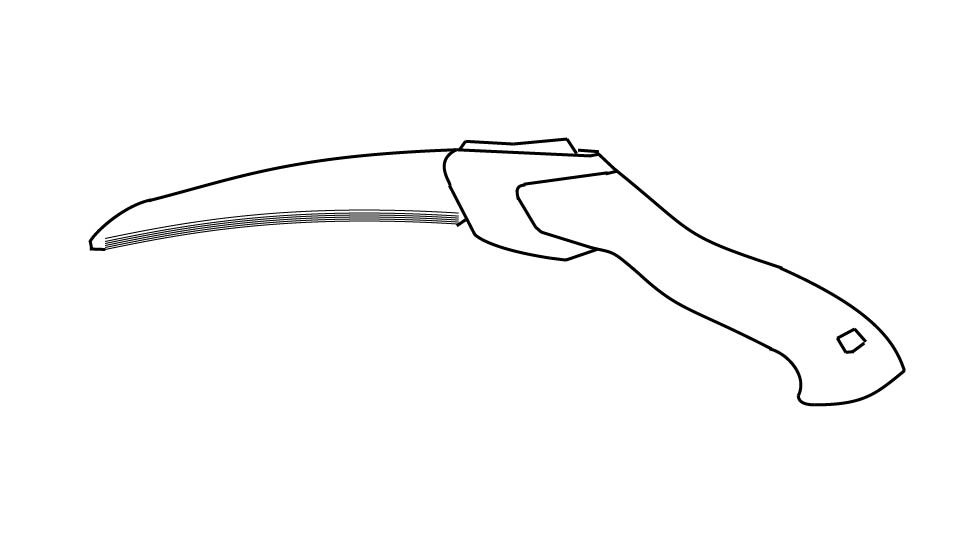
Not a woodworking saw in the traditional sense, but genuinely useful — a pruning saw’s curved, aggressive teeth are built for tree branches and general yard work, cutting green wood far more efficiently than any saw meant for dry lumber. If there are trees on the property, this one earns a spot in the garage.
🎯 Choosing by TPI, Length, and Material
Low tooth count, roughly 5 to 8 TPI, cuts fast and rough. High tooth count, 10 to 20 TPI, cuts slow and smooth. Longer blades cut faster over long, straight runs; shorter blades offer more control in tight spots. And material always wins the final vote — wood, metal, plastic, and green branches each genuinely prefer a different saw, no matter how confident that one saw in the garage feels about handling all of them.
🛡️ Safety Basics
Secure the workpiece before cutting anything — a saw fighting a wobbling board is a saw more likely to slip. Keep your non-cutting hand well clear of the blade’s path, always. Let the saw’s own teeth do the work instead of forcing it through material; a saw that’s struggling usually means it’s the wrong saw, not not enough muscle. And keep every blade sharp — a sharp saw is genuinely safer than a dull one, since a dull blade needs more force and control tends to go first.
🛒 Gear Worth Having
Stanley SharpTooth Hand Saw — The general-purpose saw that covers the most ground — the right first purchase before anything more specialized.
IRWIN Adjustable-Frame Hacksaw — The tool Ron actually needed for that pipe — proper blade tension and a frame that adjusts to different blade lengths.
Suizan Japanese Pull Saw — A noticeably cleaner cut on trim and thin stock, for the moment a project’s precision finally starts to matter.
As an Amazon affiliate, I earn from qualifying purchases. Thank you for supporting SkippityWhistles.
📖 Related Reads
SkippityWhistles is part of the WhistleBump group – find the rest of the family at WhistleBump.com.
7028
©2026 John D Reinhart/Skippitywhistles.com — All rights reserved