
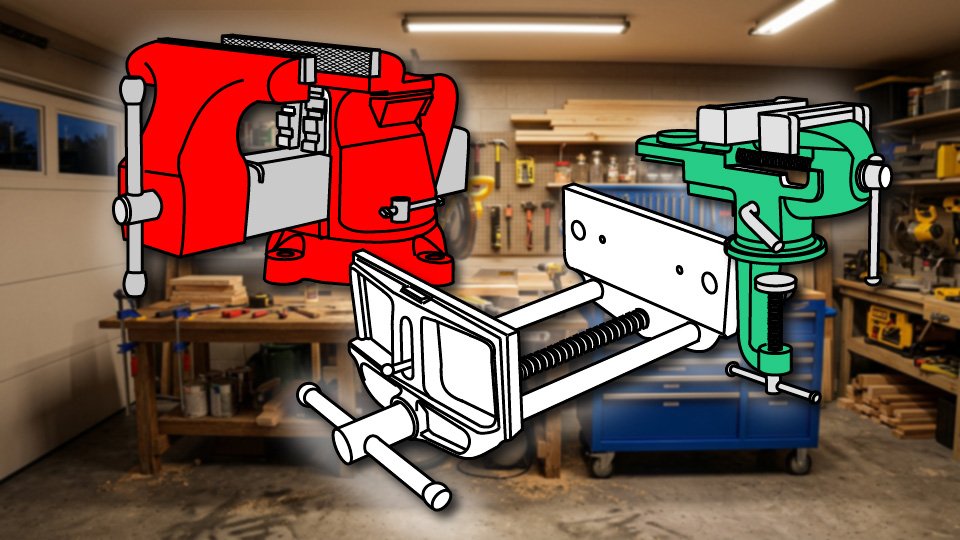
Ron tried to file down a metal bracket while holding it steady with his other hand, which worked right up until the file caught and the bracket twisted sideways, taking a decent chunk of Ron’s patience with it. He didn’t need a stronger grip. He needed a tool that grips permanently, doesn’t get tired, and never once complains about being asked to hold something for twenty straight minutes.
A vise doesn’t cut, drill, or fasten anything. It just holds work perfectly still, and that one unglamorous job might be the single most underrated upgrade a home workspace can get.
🗜️ Bench Vise: The All-Purpose Workhorse
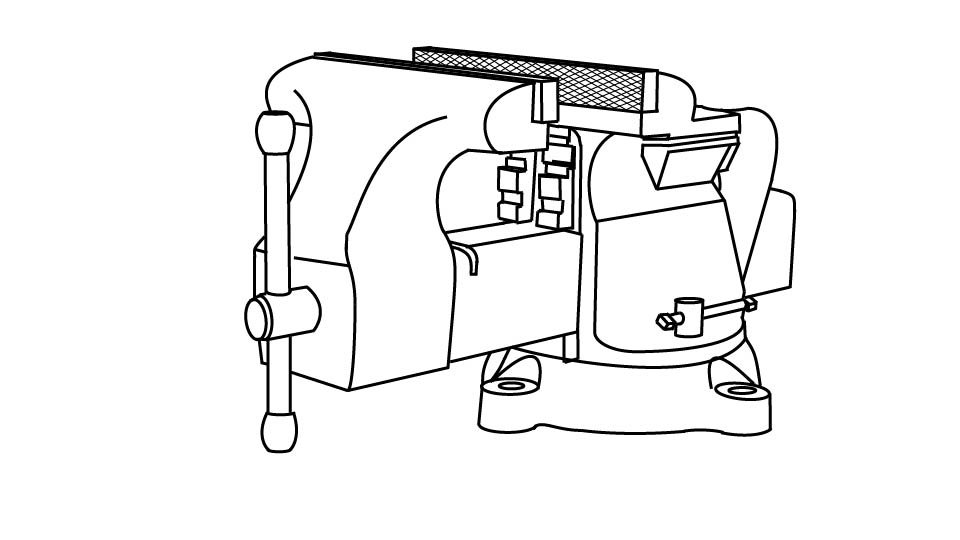
A bench vise mounts semi-permanently to a workbench and handles general DIY and light metalworking — filing, sawing, drilling, holding wood or metal firmly in place. Look for cast or forged steel construction, replaceable jaw inserts, and ideally a swivel base for repositioning without unclamping. If a shop only ever owns one vise, this is correctly the one.
🪵 Woodworking Vise: Grip Without the Damage
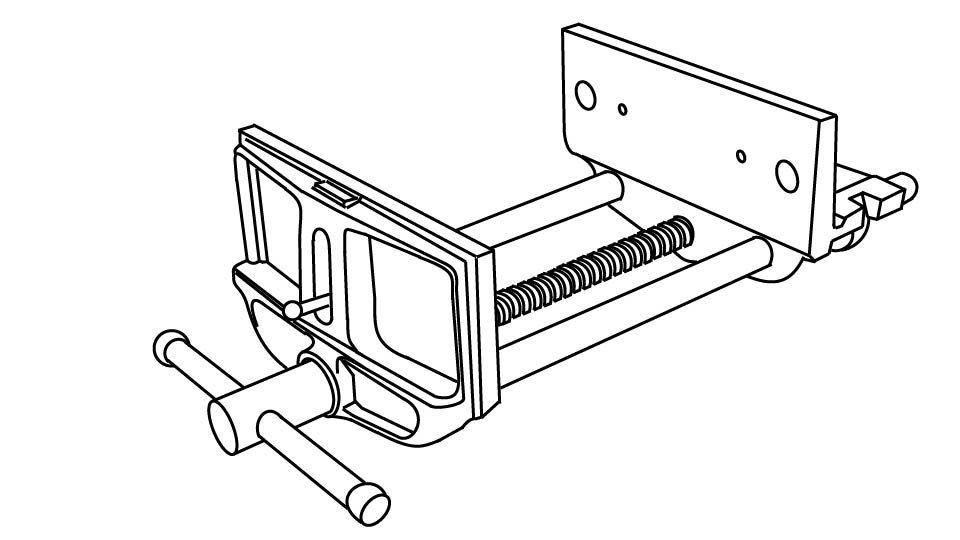
Built specifically to hold wood firmly without marring the surface, using wider jaws and smoother faces than a general bench vise. Right for planing, sanding, joinery, and holding boards flat or on edge for furniture and trim work. Many woodworkers add wooden jaw liners on top, for surfaces delicate enough that even a smooth metal jaw might feel too aggressive.
📦 Portable and Clamp-On Vises: Small Space Solutions
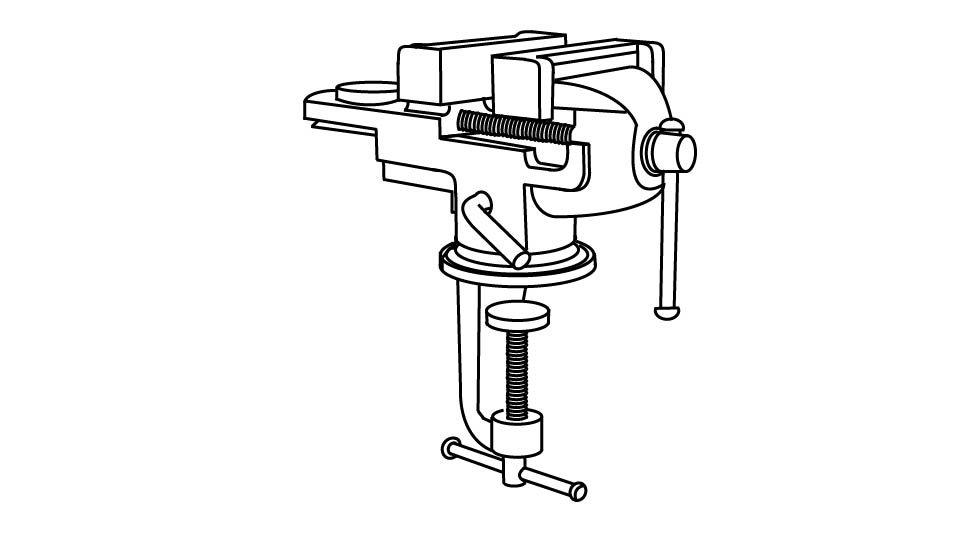
For anyone without a dedicated workbench, a portable or clamp-on vise attaches temporarily to a table edge and stores away when the project’s done. Not as rigid as a permanent bench vise, but genuinely far better than improvising with a person’s own two hands and a lot of optimism.
🔬 Specialty Vises Worth Knowing About
- A drill press vise holds work steady for precision drilling.
- A machinist vise is built for real metalworking accuracy.
- A small hobbyist vise, often on an articulating arm, handles electronics and tiny parts a full-size vise would crush.
None of these are a first purchase — just useful to recognize the moment a specific project actually calls for one.
📏 Key Factors When Choosing
- Jaw width and opening determine what fits — wider jaws spread pressure evenly, and a larger opening handles thicker material, though bigger isn’t automatically better if it doesn’t match the actual projects being done.
- Mounting style trades off stability against flexibility: permanent mounting is maximum stability, clamp-on is portability, and a vise that shifts under pressure isn’t just useless, it’s a real safety risk.
- Build quality should feel boringly solid — any flex in the casting or slop in the screw is a genuine red flag, not a quirk to work around because of the price.
- Replaceable jaws matter too: hard jaws suit metal, soft jaws protect wood and finished surfaces, and inserts let one vise do both jobs.
🛡️ Safety Basics
- Don’t overtighten — crushing the workpiece helps nobody and can ruin the very thing being held.
- Keep fingers well clear while tightening.
- Never use a vise as an improvised anvil unless it has an actual anvil surface built in, and even then, respect what the bench underneath can actually take.
- Secure the vise itself firmly before applying any real force to whatever’s clamped in it.
⚖️ Vise vs. Clamps: When Each One Wins
A vise wins when work stays in one fixed place, needs repeatable accuracy, and involves hand or power tools working right up against it.
Clamps win for large panels, irregular shapes, and quick temporary positioning where a fixed vise’s reach or shape doesn’t fit the job.
Most well-equipped shops end up using both, for exactly the reasons above.
🛒 Gear Worth Having
Yost 5-Inch Bench Vise with Swivel Base — Solid, repositionable, and correctly sized for most general DIY and light metalworking — the right first vise for almost any shop.
Woodworking Bench Vise with Wood Handle — Wide, smooth jaws built specifically to hold a board firmly without leaving a mark on it.
Portable Clamp-On Vise — Genuine holding power for anyone working without a dedicated bench, and it stores away completely when the project’s done.
As an Amazon affiliate, I earn from qualifying purchases. Thank you for supporting SkippityWhistles.
📖 Related Reads
SkippityWhistles is part of the WhistleBump group – find the rest of the family at WhistleBump.com.
7047
©2026 John D Reinhart/Skippitywhistles.com — All rights reserved