
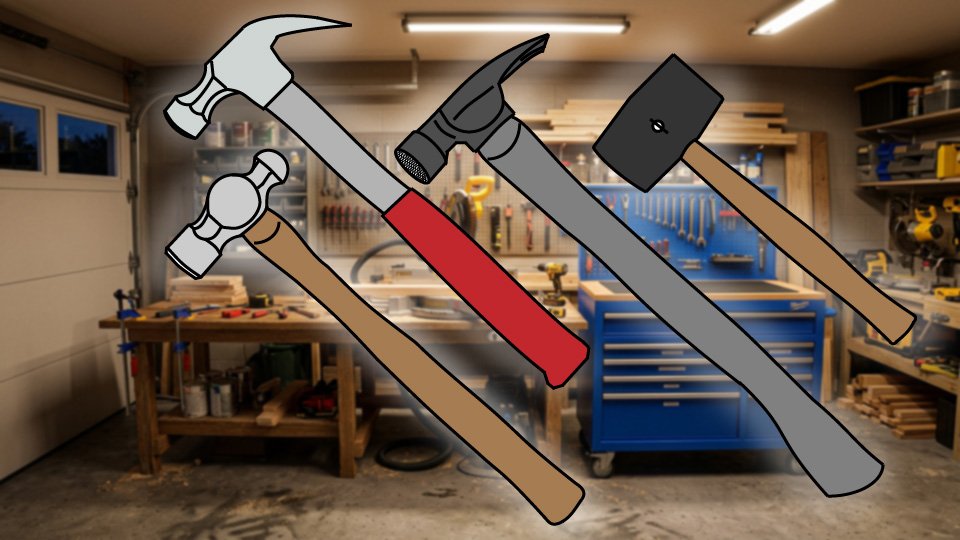
There’s an old line about how when all you have is a hammer, everything starts looking like a nail. Ron owns exactly one hammer — a perfectly good 16-ounce claw hammer — and has spent years proving the saying correct in ways its original author never quite imagined. Furniture assembly? Hammer. A metal punch that really wanted a ball peen? Hammer, with regrets. The one time curiosity got the better of him near the garage floor? Also hammer, and also a small crater in the concrete that’s still there.
A hammer isn’t one tool wearing different weights. It’s several genuinely different tools that happen to share a general silhouette, and matching the right one to the job saves your materials, your hands, and in Ron’s case, possibly your garage floor.
🔨 Claw Hammer: The Everyday Default
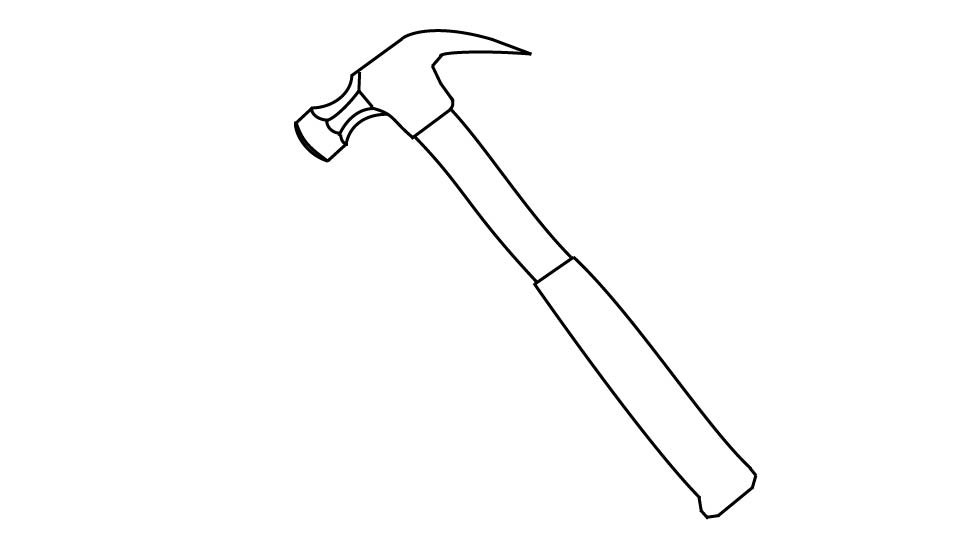
The claw hammer is the one already in most households — a flat striking face for driving nails, a curved claw on the back for pulling them back out. It’s the right tool for general carpentry, household repairs, and driving or removing standard nails, and if you only ever own one hammer, this is correctly the one.
🏗️ Framing Hammer: Heavier, Rougher, Not for Finish Work
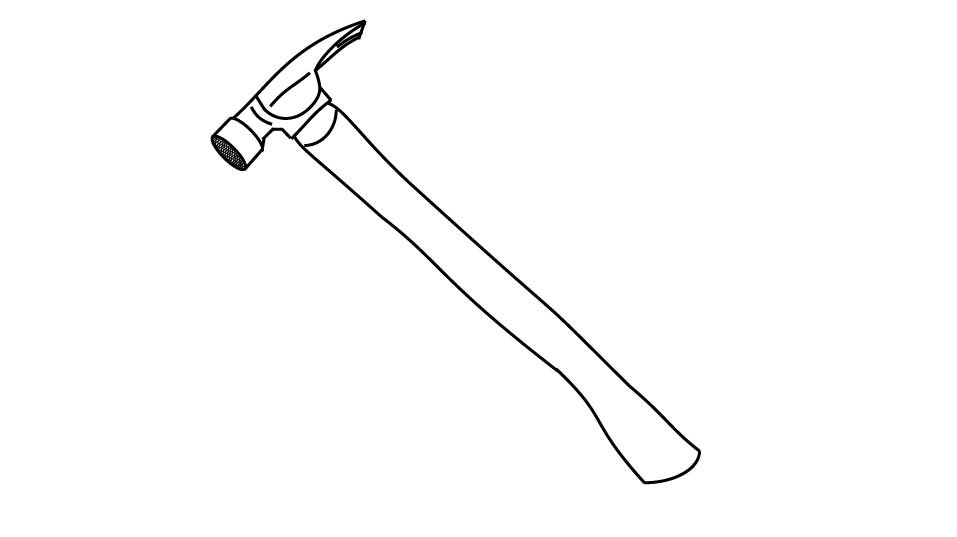
Larger and heavier than a standard claw hammer, with a straight claw and often a milled, textured face for gripping large nails without slipping. Built for framing houses, decks, and heavy outdoor construction — genuinely the wrong tool for finish work, since that extra weight and texture will mark up anything delicate without much effort at all.
🔩 Ball Peen Hammer: Metal’s Actual Friend
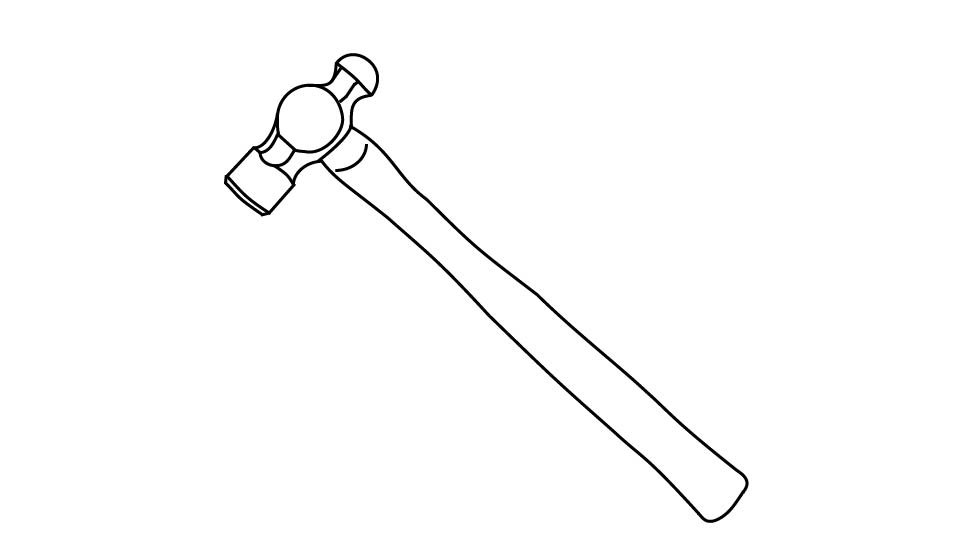
A flat face on one side, a rounded ball on the other, and a job description that has almost nothing to do with wood. Ball peen hammers belong in metalworking and mechanic’s work — shaping rivets, striking punches and chisels, the kind of work a claw hammer handles poorly and reluctantly. You can drive a nail with one in a genuine pinch. Getting that nail back out afterward is a separate, much less pleasant story.
🪘 Rubber or Soft-Face Mallet: When You Don’t Want to Leave a Mark
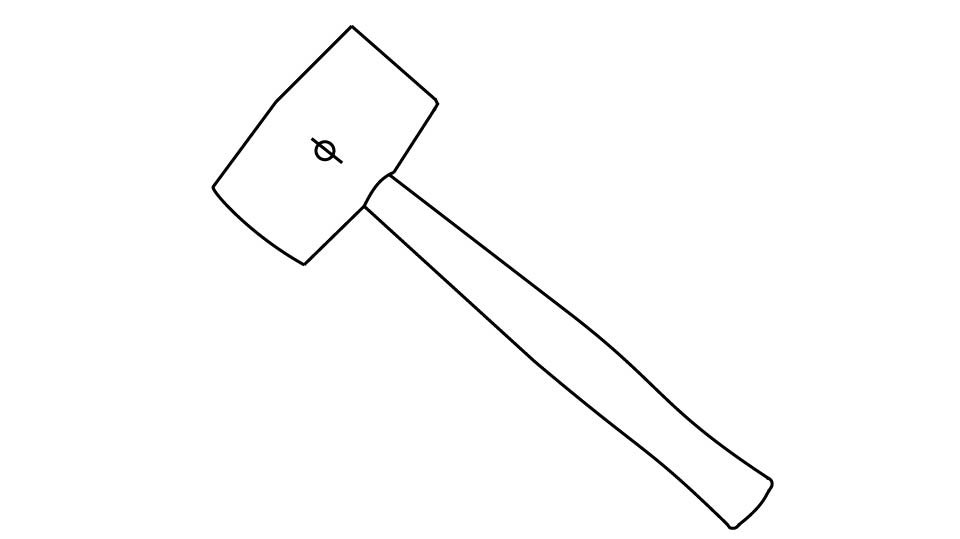
Built to strike without damaging the surface it’s hitting — the opposite design goal of every other hammer on this list. This is the correct tool for assembling furniture, tapping pieces into place, and working with anything delicate enough that a steel face would leave a permanent opinion about the encounter.
⚖️ Choosing the Right Weight
12 to 16 ounces suits light household work and general use. 16 to 20 ounces is the all-around sweet spot most DIYers actually want. 22 ounces and up is genuinely heavy-duty territory, professional-leaning, and more hammer than most household jobs call for.
Heavier isn’t automatically better — control and accuracy matter more than raw mass, and a hammer that’s too heavy to swing precisely just means more missed nails and more bruised thumbs.
🖐️ Handle Materials, Briefly
Wood handles feel traditional and absorb vibration well, but can break under a genuinely hard overstrike. Fiberglass handles are lightweight, durable, and absorb shock nicely — the popular modern default for good reason. Steel handles are nearly indestructible but transmit more vibration straight into your hand, which shows up as fatigue on longer projects.
🚫 The Mistakes Worth Avoiding
- Using a framing hammer for finish work is how delicate surfaces end up with dents nobody asked for.
- Choosing a hammer heavier than the job requires trades accuracy for muscle you didn’t need.
- Striking hardened steel with the wrong hammer face can chip or ruin that face outright.
- And striking a concrete floor with a hammer — a temptation apparently as old as hammers themselves — damages the floor, risks the hammer, and sends concrete chips flying in directions nobody enjoys. Ron’s small crater sends its regards.
🛒 Gear Worth Having
Estwing 16-Ounce Fiberglass Claw Hammer — The right first hammer and the right only hammer, if it comes to that — durable, well-balanced, and correctly sized for most household work.
Ball Peen Hammer, 8-Ounce — The tool metalworking actually wants, instead of a claw hammer reluctantly filling in and complaining about it.
Dual-Face Rubber and Poly Mallet — Two strike surfaces for two levels of delicacy, so furniture assembly stops leaving small steel-shaped apologies behind.
As an Amazon affiliate, I earn from qualifying purchases. Thank you for supporting SkippityWhistles.
📖 Related Reads
SkippityWhistles is part of the WhistleBump group – find the rest of the family at WhistleBump.com.
7033
©2026 John D Reinhart/Skippitywhistles.com — All rights reserved