Dual-Flush Toilets Explained: How the Buttons Operate

Two buttons, one tank, very different amounts of water — here’s what’s actually happening when you push each one.

Ron had a working theory about the two buttons on his in-laws’ toilet: the big one is for “a lot” and the small one is for “a little,” and beyond that he’d never thought about it once in eleven years of visits. Then the small button stopped doing anything at all, and “a lot” versus “a little” turned out not to explain a single thing about how to fix it.

That’s fair. Most people interact with a dual-flush toilet purely as two buttons on top of a tank, with no visibility into what’s happening underneath. Once you see the mechanism, both the water savings and the eventual repair make a lot more sense.

🔘 One Valve, Two Openings

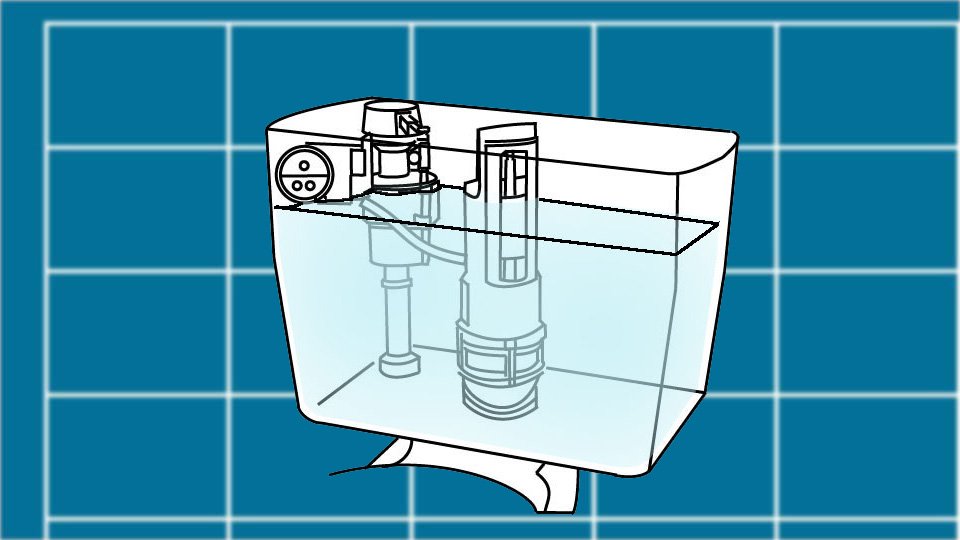
A dual-flush toilet uses a single flush valve (the mechanism at the bottom of the tank that opens to release water into the bowl) — but that valve has two different openings, or in some designs two separate valves that open to different degrees. The small button opens a smaller passage or opens the valve only partway, releasing roughly half the water. The large button opens the full passage, releasing the complete tank volume.

This matters because it’s not two separate flush systems bolted together — it’s one flush valve engineered to release water in two different amounts depending on which actuator gets pressed.

💧 Why Less Water Still Clears the Bowl

The reduced flush works because of siphon action (the suction effect created by a rush of water that pulls waste and water through the trap and into the drain line) — liquid waste needs less water volume to trigger that siphon and clear the bowl than solid waste does. The half-flush is calibrated to move enough water fast enough to start the siphon for liquid waste. The full flush releases more volume because solid waste needs more water moving through the bowl to clear the trap completely.

A dual-flush toilet typically uses somewhere around 0.8 to 1.1 gallons on the reduced setting and 1.6 gallons on the full setting, compared to 3.5 to 7 gallons per flush on toilets manufactured before the mid-1990s. That gap is the entire reason dual-flush systems exist — the buttons aren’t a gimmick, they’re a plumbing-code-driven water-savings feature.

🔄 Refilling the Tank: The Fill Valve’s Job

After either button releases water, a fill valve (the mechanism that refills the tank with water after a flush and shuts off automatically once the tank reaches the correct level) brings the tank back to ready. A float — either a ball on an arm or a cylindrical float around the fill valve shaft — rises with the water level and shuts the valve off at the right point. If a dual-flush toilet won’t stop running, the fill valve is almost always the first thing to check, not the buttons themselves.

The overflow tube (the open tube inside the tank that carries any excess water down into the bowl instead of letting the tank flood) is the backup — if the fill valve fails to shut off, water spills into the overflow tube instead of over the top of the tank. A tank that refills endlessly usually means the fill valve isn’t seating, not that something is wrong with the overflow tube itself.

🔧 When the Buttons Stop Working Right

If one button does nothing, the actuator arm connecting that specific button to the valve has often disconnected, corroded, or the seal on that side of the valve has degraded — common after several years, especially in hard-water areas where mineral buildup affects the seal’s ability to seat properly. If both buttons run continuously, suspect the fill valve first, then the main flush valve seal second. Most dual-flush repair kits replace the entire valve assembly at once rather than asking you to diagnose which specific seal failed, which is usually the faster and more reliable fix.

🛒 Gear Worth Having

Fluidmaster 507AKP7 PerforMAX Universal Dual Flush Valve Repair Kit — Replaces the entire dual-flush valve assembly at once instead of chasing down which individual seal failed. Fits most two-button tanks without swapping the whole toilet.

Korky 528MP QuietFILL Platinum Fill Valve — A fill valve upgrade for the toilet that refills forever or refills loudly enough to announce itself through the whole house. Adjustable for tank height, quiet by design.

Neiko 60166A Heavy Duty Toilet Plunger with Funnel Cup — The funnel cup seals against the bowl’s curve instead of just sitting on top of it, which is the difference between a plunger that works and one that just splashes.

As an Amazon affiliate, I earn from qualifying purchases. Thank you for supporting SkippityWhistles.

📖 Related Reads


SkippityWhistles is part of the John D Reinhart content family. Writer, illustrator, videographer, and accidental filmmaker — find the whole story at JohnDReinhart.com.

3014

©2026 John D Reinhartskippitywhistles.com/ — All rights reserved

How Standard Toilets Flush: The Chain Reaction Behind One Handle

One handle, one flush, no buttons to choose from — here’s the full mechanical chain that happens the second you push it down.

Ron’s toilet only has one flush option, which he considers a feature, not a limitation. “Nothing to overthink,” he says, pushing the handle the exact same way every time regardless of what’s being flushed. He’s not wrong that it’s simple. He’s just never once wondered what happens in the two seconds between pushing the handle and the water actually moving — which is a longer chain of parts than the one button suggests.

A standard, single-flush toilet looks like the simplest fixture in the house because it only asks you to do one thing. Underneath, it’s a small, deliberate sequence of parts triggering each other in order — and knowing that sequence is what turns a mysterious running toilet into an obvious two-minute fix.

🎯 It Starts With the Trip Lever

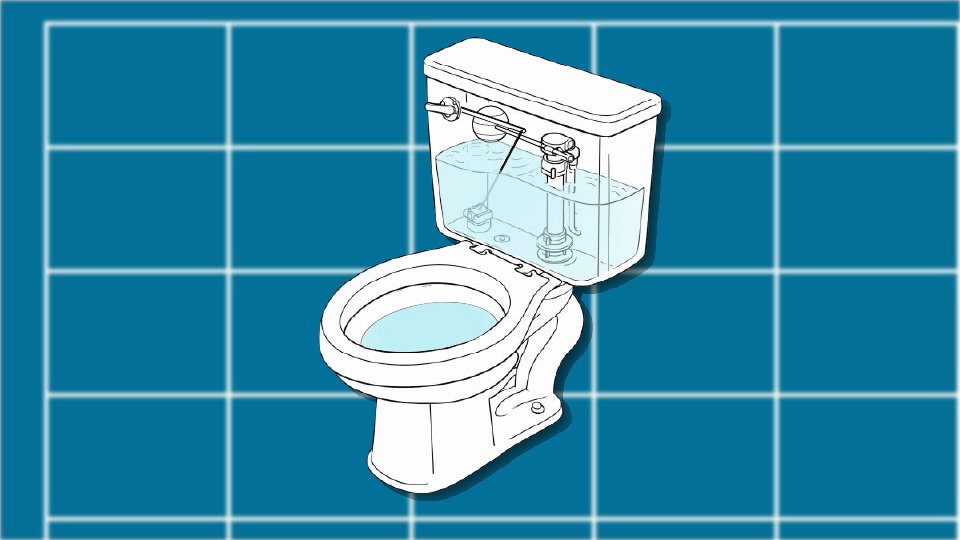
Pushing the handle down rotates a trip lever (the arm inside the tank connected to the handle) upward. A chain or a rigid lift arm connects that trip lever to the flapper below it. This is the entire mechanical purpose of the handle — it doesn’t touch the water at all. It just lifts one part.

🔓 The Flapper Opens the Flush Valve

The flapper (the rubber or plastic seal that sits over the flush valve opening at the bottom of the tank) is lifted away from the flush valve seat the moment the trip lever raises it. This opens a direct path for the entire tank of water to drop into the bowl at once — unlike a dual-flush valve, a standard flapper doesn’t have a partial-open position. It’s either sealed or it’s open, which is why standard toilets only have the one flush volume to offer.

🌊 The Rush of Water Creates the Siphon

As water drops from the tank into the bowl, it fills the bowl fast enough to trigger siphon action (the suction effect created by a rush of water that pulls waste, water, and air through the trap and into the drain line). This siphon is the actual cleaning mechanism — it’s not gravity alone pushing waste out, it’s the rapid water flow creating enough suction through the trap to pull everything through. Once the tank empties enough that the flow slows down, the siphon breaks, air enters the trap, and the bowl refills to its normal resting water level.

⚖️ The Flapper Reseats Itself

As the tank drains, the flapper — buoyant on its own, or attached to a float that rises and falls with the water — settles back down and reseals the flush valve opening once the tank is nearly empty. If a flapper is warped, cracked, or simply the wrong size for the flush valve seat, it won’t reseat cleanly, and water leaks slowly past it into the bowl. That slow leak is the single most common reason a toilet refills every so often on its own, and it’s usually a five-dollar part.

🔄 The Fill Valve Refills the Tank

Once the flapper reseals, a fill valve (the mechanism that refills the tank with water after a flush) opens and starts refilling the tank. A float on the fill valve rises with the water level and shuts the valve off once the tank reaches the height set by the fill valve’s adjustment. Some of the incoming water is also routed through a small refill tube into the overflow tube (the open tube inside the tank that prevents overfilling by draining excess water into the bowl), which restores the bowl’s resting water level at the same time the tank refills.

🔧 Reading the Failure Points

  • Handle feels loose or doesn’t lift anything: the chain connecting the trip lever to the flapper has slipped off or has too much slack.
  • Toilet runs constantly: check the flapper seal first, the fill valve shutoff second.
  • Weak flush that doesn’t fully clear the bowl: often a flapper that closes too early, cutting the siphon off before it finishes its job — sometimes fixable by adjusting the chain length so the flapper stays open a beat longer.

🛒 Gear Worth Having

Fluidmaster 5403 Universal Toilet Flapper — Adjustable frame fits most standard flush valve seats without needing the exact original brand, which matters since most toilets outlive their box and instructions by a decade.

Korky 528 Universal Toilet Fill Valve — A direct swap when the tank refills too slowly, too loudly, or won’t shut off — adjustable height covers most standard tank sizes without measuring first.

OXO Good Grips Toilet Plunger with Holder — Comes with a stand that actually contains the drips, which matters more than the plunger itself once you know what’s involved in the alternative.

As an Amazon affiliate, I earn from qualifying purchases. Thank you for supporting SkippityWhistles.

📖 Related Reads


SkippityWhistles is part of the John D Reinhart content family. Writer, illustrator, videographer, and accidental filmmaker — find the whole story at JohnDReinhart.com.

3013

©2026 John D Reinhartskippitywhistles.com/ — All rights reserved