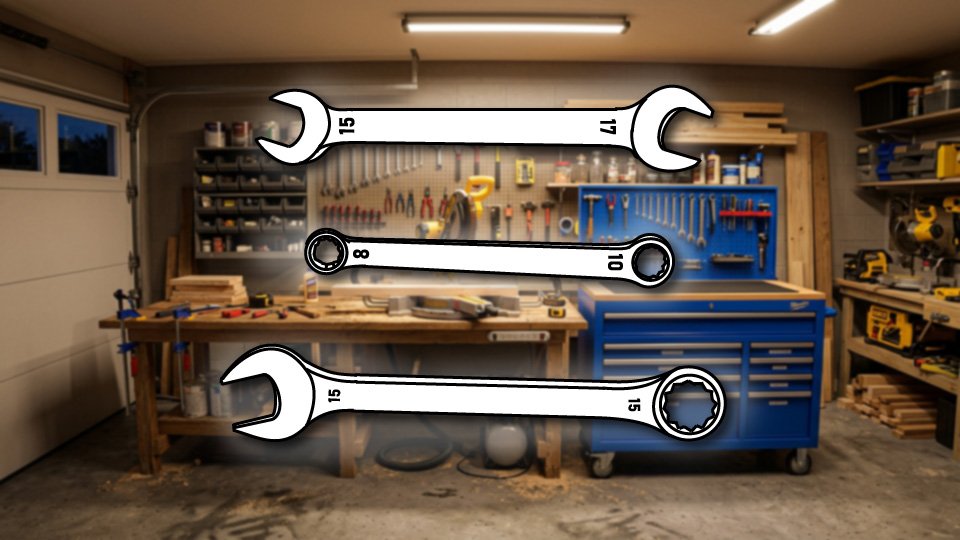
Ron kept reaching for the open-end wrench on a rusted, stubborn bolt, and it kept slipping half a turn before losing its grip entirely. Three slips later, the bolt’s corners were noticeably rounder than they’d started, and the box-end wrench sitting one slot over in the toolbox had been the correct answer the entire time. Ron wasn’t using the wrong wrench family. He was using the wrong wrench. Nice going, Ron.
In much of the world, what Americans call wrenches are called spanners — same tool, different word. Open-end, box-end, and combination wrenches are the fixed-size backbone of nearly every basic toolbox, and each one grips a fastener differently enough that picking the wrong one is exactly how Ron’s bolt ended up the way it did.
👐 Open-End Wrenches: Fast Access, Less Grip
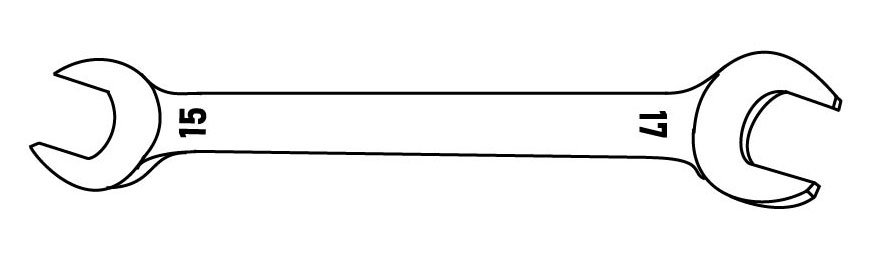
An open-end wrench has U-shaped jaws that slide onto a fastener from the side, which makes it quick to position and genuinely useful in tight spots where a wrench can’t be lifted straight up and off. The tradeoff: it only grips two sides of the fastener, which means it’s far more likely to slip on something very tight, not fully seated, or slightly the wrong size. This is exactly where rounded bolts and bad language get their start. Best suited to light-to-moderate torque and quick spinning once something’s already been broken loose.
📦 Box-End Wrenches: Maximum Grip and Control
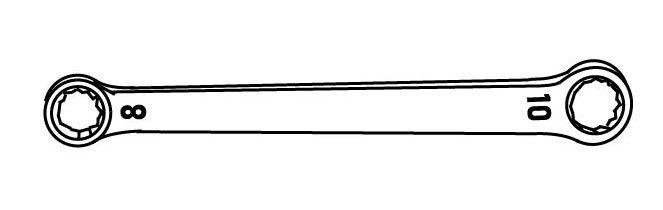
A box-end wrench fully surrounds the fastener, usually with a 6-point or 12-point opening, which grips every side and dramatically cuts down on slipping and rounding. A 6-point opening gives the strongest possible grip, the right call for tight or rusted fasteners exactly like the one Ron was fighting. A 12-point opening is easier to reposition in a cramped space, at a slight cost to raw grip strength. Slower to seat than an open-end wrench, but the correct choice the moment a fastener is stubborn, valuable, or one you only get one real shot at loosening.
🤝 Combination Wrenches: The Best of Both
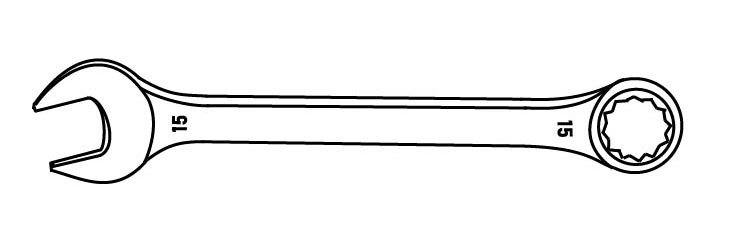
A combination wrench pairs an open-end on one side with a box-end of the same size on the other — open-end for speed, box-end for torque and precision, both in one tool. For most DIYers, a combination wrench set is genuinely the smartest starting point: versatile, intuitive, and it quietly teaches the habit of reaching for the box-end side the moment something fights back.
📏 SAE vs. Metric: Yes, You Need Both
SAE, or inch-based sizing, still shows up on older American equipment and vehicles. Metric is the standard on most modern tools, furniture, and vehicles built today. If today’s the day to build a basic set from scratch, metric sees more everyday use — but owning both eventually saves a specific kind of frustration: discovering the one wrench that fits isn’t in the box.
🎯 When to Reach for a Spanner Instead
Spanners earn their keep when precision and control matter more than speed, when there’s room to fully seat the wrench on the fastener, and when slipping simply isn’t an option. They’re often the better call over an adjustable wrench, and sometimes even over a socket, in shallow or awkward spaces where a socket’s depth just doesn’t fit.
🛒 Gear Worth Having
WORKPRO 32-Piece Combination Wrench Set (SAE and Metric) — Covers both measurement systems in one set, which solves the exact problem of discovering the one size you need isn’t in the box.
TEKTON 6-Point Box-End Wrench Set — Maximum grip for the stubborn, rusted fasteners an open-end wrench keeps slipping off of — exactly what Ron needed from the start.
Magnetic Wrench Organizer Rack — Keeps every size sorted and visible, so finding the right wrench doesn’t turn into its own separate project.
As an Amazon affiliate, I earn from qualifying purchases. Thank you for supporting SkippityWhistles.
📖 Related Reads
SkippityWhistles is part of the WhistleBump group – find the rest of the family at WhistleBump.com.
7048
©2026 John D Reinhart/Skippitywhistles.com — All rights reserved