
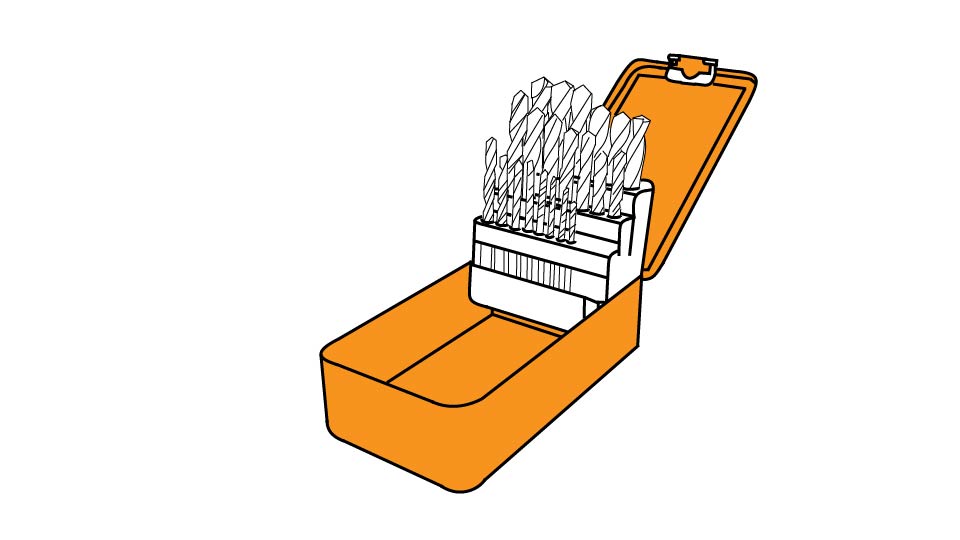
(Or: The Honest Truth About Drill Bit Sets)
You know that moment when you’re halfway through a project, you grab a drill bit from your toolbox, and it snaps in your hand like a tiny piece of chalk? Or you discover the only bit you have is somehow always the wrong size?
Yeah. That’s what choosing the wrong drill bit set does to you.
A quality drill bit set is the unsung hero of any DIY toolbox. Unlike buying a single bit for a specific job, the right drill bit set prepares you for whatever your workshop throws at you—and keeps you from breaking those frustrating little bits one by one (or buying them one at a time at $2.99 each, ouch).
The trick? Knowing what to actually look for when you’re selecting a drill bit set. Let’s fix that.
Start With Your Materials: What Will You Actually Drill?
Not all drill bits are created equal—and trying to drill metal with a wood bit is a lesson you only need to learn once.
Wood-Only Sets Best for: Household carpentry, furniture assembly, basic home projects Why they work: Cheaper, lighter bits designed specifically for wood. If you’re hanging shelves and assembling IKEA furniture, this is plenty.
Metal & Wood Combo Sets (HSS or Cobalt) Best for: General DIYers who work with both materials The sweet spot: These are versatile enough for most home projects without breaking the bank. HSS (High-Speed Steel) is the standard; cobalt is tougher if you’re drilling into stainless steel or tougher alloys. Pro tip: If you ever need to drill through that old metal cabinet or the bolts holding your deck together, grab a combo set. You’ll be glad you did.
Masonry Sets (Carbide-Tipped) Best for: Concrete, brick, stone, and tile The reality: These are specialists. If you’re only drilling one hole in a concrete wall every few years, you might rent a hammer drill instead. But if you’re serious about DIY and your house has concrete, brick, or stone work, these bits are non-negotiable.
All-in-One Kits Best for: General DIYers who want one set to rule them all The honest assessment: You’ll get wood, metal, masonry, and specialty bits all in one case. Sounds perfect, right? The tradeoff: individual bit quality can be compromised because the manufacturer is cramming everything in. They’re great if you do genuinely varied projects, but if you specialize in one type of work, a focused set will outperform them.
Count the Bits (And Make Sure You Actually Need Them)
Drill bit sets range from tiny 29-piece starter kits to massive kits with 200+ bits. More isn’t always better.
What to Look For:
✓ Common sizes for your favorite screws – If you use #8 wood screws constantly (and most DIYers do), make sure your set has plenty of those pilot hole sizes.
✓ Larger bits for anchors and bolts – Drywall anchors, toggle bolts, and lag bolts all need specific hole sizes. Your set should cover these.
✓ The full fractional range – From 1/16″ up through 1/2″ in 1/64″ increments. Metric sizes too if you work with international tools or hardware.
✓ Smaller bits that aren’t fragile – This is where cheap sets fail. Those tiny 1/16″ and 1/32″ bits should feel substantial, not like toothpicks.
The Pro Tip Nobody Tells You: Even if you mostly drill small holes, buy a set with the full range. Yeah, you might not use that 1/2″ bit for months. But when you need it at 2 p.m. on a Sunday and the hardware store is closed, you’ll remember this advice and feel very smart.
Material & Coating: The Durability Breakdown
This is where casual DIYers and serious tool users diverge. The material matters.
HSS (High-Speed Steel) The standard. Affordable, works for wood and soft metals. If you’re new to DIY, start here.
Titanium-Coated Regular bits with a thin titanium coating that reduces friction and extends life. You’ll pay a bit more, but they last longer and resist heat better. Good middle-ground choice.
Cobalt For tougher metals like stainless steel and cast iron. Costs more than HSS but holds an edge longer when drilling harder materials. If you work with metal regularly, it’s worth it.
Carbide-Tipped The heavy hitter. For masonry, concrete, hardened surfaces, and tile. Non-negotiable if you’re doing serious masonry work, but overkill for basic carpentry.
Quick Guide: Working mostly with wood? → HSS or titanium-coated Mixing wood and metal? → HSS combo or cobalt Lots of masonry? → Carbide-tipped Want longevity and don’t mind spending more? → Titanium or cobalt
Storage & Organization: The Often-Forgotten Factor
Here’s what separates people who actually use their drill bit sets from people who have them sitting in a garage somewhere:
Good storage means:
- Bits stay organized in labeled slots (so you grab the right one, not close-enough)
- Bits are visible and accessible (not dumped in a coffee can)
- The case is portable (if you work between locations or projects)
- Bits don’t roll around and get lost or damaged
A bit set in a cheap plastic case with unlabeled slots? You’ll abandon it within a month and start buying individual bits instead. Save yourself the headache.
Related reading: Check out our guide on How to Choose the Right Wrench for more on tool organization—same principle applies.
Durability vs. Price: The True Cost of Cheap Tools
Let’s talk about the elephant in the room: cheap drill bit sets.
Those $9.99 sets at big-box stores? They’re filled with bits that break, dull quickly, and bend under pressure. You know the type—you press gently and the tiny bit snaps in half. Or you drill halfway through and it just… stops cutting.
The false economy: You buy a cheap set, bits break, you buy individual replacements (at $2-5 each), you spend frustrating hours in the checkout aisle, and six months later you’ve spent more money and have less to show for it.
A mid-range or premium set costs more upfront but:
- Lasts years, not months
- Bits hold their edge
- They don’t break when you sneeze near them
- You actually finish projects instead of cursing your tools
Pro Tip for Serial Bit-Breakers: If you consistently snap small bits, don’t buy a super-premium set and hope for the best. Instead, get a solid mid-range set and a separate reinforced kit of just the small, commonly-used sizes (1/16″ through 1/8″). Rotate them in and out. Cheap bits used intentionally beats premium bits used carelessly.
Specialty Bits: When to Go Beyond the Set
Most drill bit sets stick to the basics. But depending on your projects, you might want to supplement with these specialists:
Step Bits – For sheet metal, thin metal, and creating perfectly clean holes. Game-changer if you work with ducting or metal roofing.
Forstner or Spade Bits – For large woodworking holes (anything bigger than 1″). Your regular drill bits will chatter and bind if you try to go that big. These are smooth and controlled.
Countersink Bits – For setting screws flush with the wood surface. If you care about finished surfaces (and you should), these are essential.
Hole Saws – For very large holes in wood, drywall, or soft metals. Not technically “bits,” but they mount in your drill like bits do.
The decision: If your set doesn’t include these and you know you’ll need them, buy them separately. Don’t settle for an all-in-one kit that includes weak versions of everything.
When to Upgrade Your Set
Your first drill bit set won’t be your last—and that’s okay. You’ll upgrade when:
You’re encountering tougher materials Stainless steel, cast iron, hardened alloys—these demand better bits than your wood-focused starter set offers.
You’re breaking bits constantly If you’re snapping bits regularly, your current set is hitting its performance ceiling. Time to step up.
Your projects demand more precision Larger hole ranges, tighter tolerances, more specialized work—your old set just doesn’t cut it anymore.
You’re taking on bigger projects A deck build, serious home renovation, or regular metalwork? Your set will evolve with your skills and ambitions.
The Bottom Line: Choosing Your First Drill Bit Set
A good drill bit set is an investment in your toolbox and your sanity. The right choice today—one that matches the materials you work with, includes the sizes you need, and stays organized—prevents frustration tomorrow.
Start with a mid-range combo set if you’re just beginning. Add specialty bits as your projects demand them. And when you’re ready to level up, you’ll know exactly what you need.
Your toolbox will thank you.
Frequently Asked Questions About Drill Bit Sets
Q: What’s the difference between HSS and cobalt drill bits? A: HSS (High-Speed Steel) is the standard for general DIY work—affordable and handles wood and soft metals fine. Cobalt is tougher and holds its edge longer when drilling harder materials like stainless steel or cast iron. If you’re mostly doing household projects, HSS is plenty. If you work with metal regularly, cobalt is worth the extra cost.
Q: How many drill bits do I actually need? A: A solid 50-100 piece set covers most DIY projects. You want the full range from 1/16″ up to 1/2″ in fractional sizes, plus metric sizes if you work with international tools. More than that becomes overkill unless you’re a professional. Quality matters more than quantity—one good 50-piece set beats a cheap 200-piece kit any day.
Q: Should I buy a cheap drill bit set or invest in a premium one? A: Buy mid-range, not cheap. Those $9.99 sets are false economy—bits break constantly, you end up buying replacements, and you’ll spend more money in the long run. A mid-range set ($30-60) lasts years and actually works when you need it. Premium sets are nice if budget allows, but mid-range is the sweet spot for DIYers.
Q: Can I use wood bits to drill through metal? A: Not reliably. Wood bits are designed for softer materials and will dull quickly, bind, or break when pushed into metal. You need metal-specific bits (HSS or cobalt). It’s tempting to skip buying a combo set, but it’s one of those false economies that creates more frustration than it saves.
Q: What’s the difference between a drill bit set and a drill bit kit? A: Technically, not much—these terms are used interchangeably. A “set” usually implies a curated collection in an organized case. A “kit” often means the same thing but may include additional accessories like countersinks or step bits. For SEO and shopping purposes, they’re the same product.
Q: Do I need separate masonry bits, or should I get an all-in-one set? A: If you only drill one hole in concrete every few years, an all-in-one set is fine. But if you do regular masonry work (brick, concrete, stone), dedicated carbide-tipped masonry bits outperform the masonry bits in all-in-one kits. They’re sharper, last longer, and actually cut instead of grinding slowly through the material.
Q: How do I know when it’s time to replace my drill bit set? A: When bits consistently break, dull quickly, or bind during normal use. If you’re breaking small bits regularly or struggling to drill through materials that used to be easy, your set is hitting its limit. Time to upgrade to better-quality bits that match your growing skill level.
Q: What’s the best way to store drill bits so they don’t get lost or damaged? A: Use an organized case with labeled slots—bits stay visible, protected, and easy to grab. Avoid dumping them loose in drawers or coffee cans; they’ll roll around, get lost, and dull from bouncing against each other. A good storage case is as important as the bits themselves.
Related Guides You Might Find Helpful
- The DIYer’s Toolbox: A Beginner’s Guide to Essential Tools – Start here if you’re building your first toolbox
- How to Choose the Right Wrench – Same selection philosophy, different tool
- How to Work with Electricity – When you need to drill into walls (safely)
- How to Choose the Right Fastener – Selecting the right fastener is easy with this guide
- How to Use Toggle Bolts – the nuts and bolts of using these useful bolts
Amazon Affiliate Recommendations
Here are some solid options depending on your needs:
Best for Beginners (Wood & Light Metal) Mid-range combo sets with 50-100 pieces, titanium-coated, solid storage case. Look for sets with good customer reviews mentioning durability.
Best for General DIY (All-Purpose) All-in-one kits with wood, metal, and masonry bits. Brands known for quality control tend to outperform bargain-basement options.
Best for Serious Metalwork Cobalt or premium HSS sets specifically designed for metal, with bit sizes optimized for common fasteners.
Best for Masonry Work Carbide-tipped sets in sturdy cases, with sizes ranging from small anchor holes to larger bolt holes.
As an Amazon Associate, I earn from qualifying purchases. Click through the links above to support Skippity Whistles.
DIY projects involve risk. Always follow manufacturer instructions and use appropriate safety precautions.
7049
©2026 SkippityWhistles.com All rights reserved
 Skippity Whistles