
Introduction
Extension cords are incredibly handy, but they don’t last forever. A damaged or worn cord can become a fire or electrical hazard if you keep using it. Knowing the signs that a cord is bad — and what to replace it with — can keep your home and tools safe.
What an Extension Cord Should Look Like
Before we talk about problems, a good extension cord should:
- Have no cuts or exposed wires
- Have straight, intact plugs and prongs
- Be rated for the power you need (amps/watts labeled on the cord)
- Be appropriate for indoor or outdoor use depending on where you plan to use it
If a cord looks shiny, intact, and clean, that’s a good start — but there’s more to check.
7 Signs an Extension Cord Is Bad (Replace It)
1. Broken or Missing Prongs
If the plug’s metal prongs are bent, missing, or corroded, the cord may not make a good electrical connection — which can lead to overheating and fire.
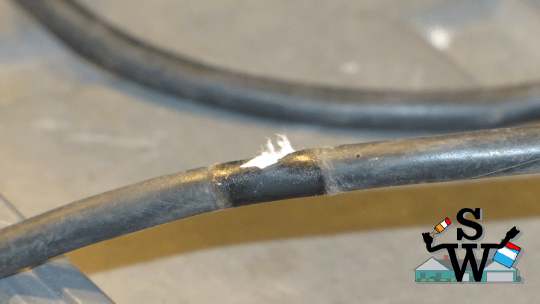
2. Cuts, Cracks, or Exposed Wires
Insulation is there to protect you. Any exposed conductor means stop using it immediately.
3. Frayed Insulation or Severe Kinks
Small bends are normal, but severe kinks or deep cracks can mean internal wires are broken — a serious safety risk.
4. Cord Feels Hot During Normal Use
Extension cords should never feel hot when in use. A warm or hot cord is a sign of overload or internal damage.
5. Buzzing, Sparking, or Arcing
If you see sparks or hear buzzing when plugging in devices, the cord is unsafe. These are signs of poor internal connections or breaks.
6. Loose Connections
If a plug doesn’t fit snugly in the outlet or device, it can heat up and create a fire risk.
7. You’ve Been Using It for Years
Even without obvious damage, old cords can lose flexibility and insulation integrity. Professionals recommend regular inspection and replacement when in doubt.
Never Try to Fix a Damaged Extension Cord
It might be tempting to tape up a frayed cord or re-attach a plug, but electrical tape and DIY hacks don’t restore original safety. Repaired cords are potential shock and fire hazards. Always replace a damaged cord with a new, properly rated one.
Safe Use Tips
- Use outdoor-rated cords outside — indoor cords can’t handle moisture or sun exposure.
- Don’t run cords under rugs or carpeting — trapped heat increases fire risk.
- Don’t “daisy chain” cords (plugging one into another). This increases resistance and overheating danger.
- Match the cord’s rating to your device load. Most standard cords have amp ratings — never exceed them.
Pro Safety Reminder
Extension cords are temporary solutions — not long-term wiring. If you find yourself needing cords often in one area, consider adding permanent outlets via a licensed electrician. Professional electrical work is safer and follows code.
Choose the Right Replacement (Amazon Picks)
Here are a few extension cords that are safe, durable, and well-rated for common household needs:
Extension Cord Picks
(As an Amazon affiliate, I earn on qualified purchases)
- Heavy-Duty Outdoor Extension Cord – Thick insulation and weatherproof for outdoor tools and power equipment.
- Multi-Outlet Indoor Cord with Surge Protection – Ideal for TVs, computers, and small appliances.
- Flat Extension Cord for Tight Spaces – Great for sliding under furniture without damage.
Tip: Look for cords with UL or ETL certification labels — these indicate independent safety testing.
Summary Checklist
Before you plug in:
✔️ Does the cord look intact and properly rated?
✔️ Is it the right type for indoor vs outdoor use?
✔️ Is it warm or buzzing?
✔️ Is the plug snug and free of damage?
If the answer to any of these is no, replace it. it!
DIY projects involve risk. Always follow manufacturer instructions and use appropriate safety precautions.
4004
©2026 SkippityWhistles.com All rights reserved
 Skippity Whistles