Pliers are one of those tools that make almost every DIY project easier — and safer. From gripping small parts to twisting wires, the right pliers can turn a frustrating task into a smooth, satisfying one. If you’ve ever felt unsure which pliers to buy or how to use them, you’re in the right place.
This guide is for beginners who want to understand, choose, and use pliers confidently.
Slip-Joint Pliers: The Everyday Workhorse
Slip-joint pliers are versatile and beginner-friendly. They have an adjustable pivot point, letting the jaws open to different widths — perfect for gripping objects of various sizes.
Common uses:
- Gripping and holding materials
- Twisting wires or thin metal
- Light bending
Tip for beginners: Use slip-joint pliers for general tasks before investing in specialty pliers. They’ll cover about 70% of what you need in home DIY.
Learn more about these pliers here: Slip-Joint Pliers
Linesman Pliers: Cutting and Twisting Like a Pro
Linesman pliers are slightly heavier-duty. Their jaws are designed for cutting and twisting wire, making them a favorite for simple electrical or household wiring tasks.
Common uses:
- Cutting wires cleanly
- Twisting wires together (safely)
- Gripping small metal objects
Safety note: Always ensure power is off when using linesman pliers on electrical tasks. Even small projects should respect electricity.
Learn more about these pliers here: Linesman Pliers
Channel-Lock (Groove Joint) Pliers: Adjustable Grip for Versatility
Channel-lock pliers, also called groove-joint pliers, are adjustable, strong, and perfect for gripping larger objects. They’re great for plumbing, nuts and bolts, or any time you need extra leverage.
Common uses:
- Holding pipes or round objects securely
- Turning nuts and bolts
- Gripping irregular shapes
Pro tip: Adjust the jaws before gripping, and always use the correct size for the job to avoid slipping.
Learn more about these pliers here: Channel-Lock Pliers
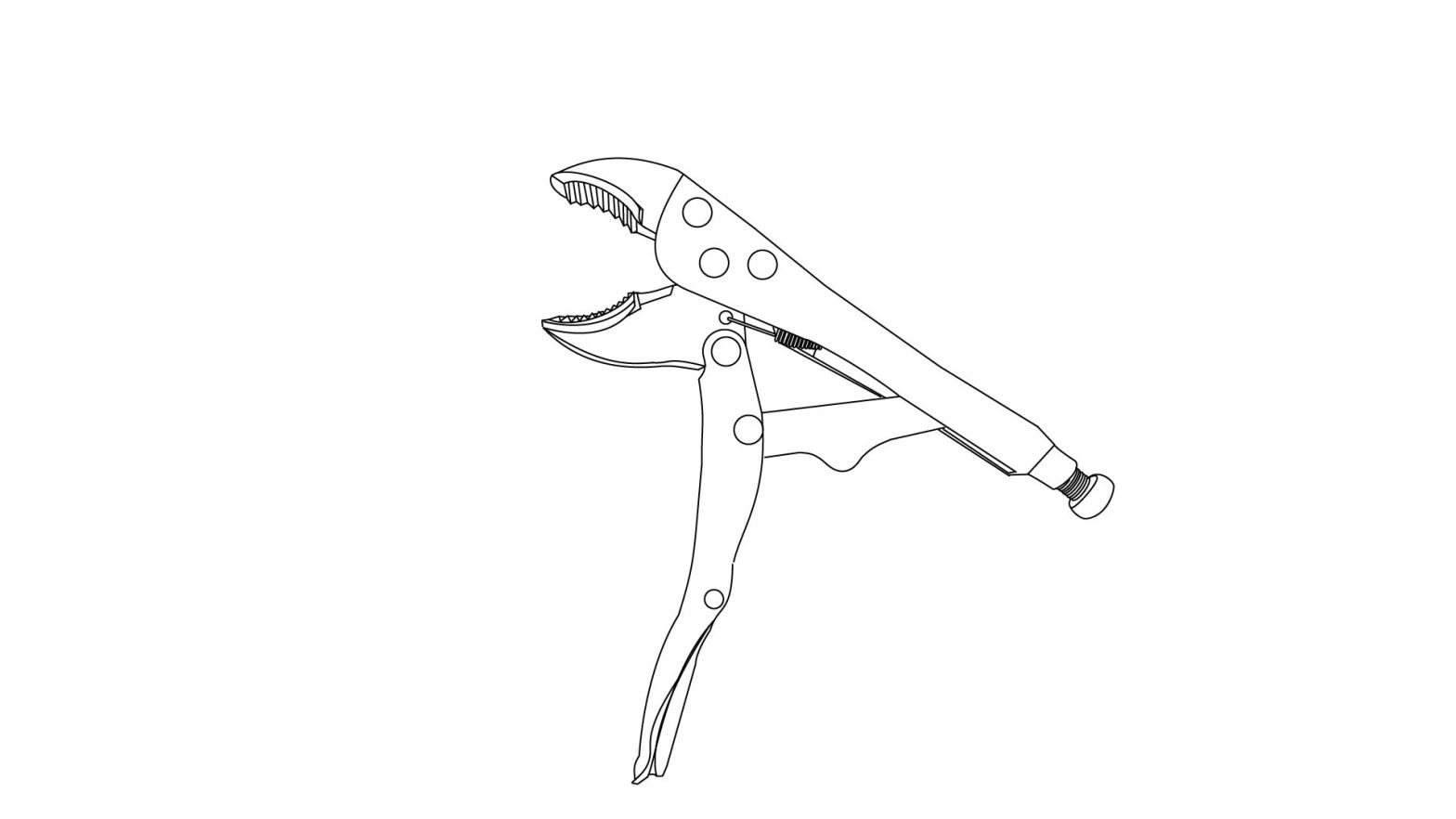
Locking Pliers (Vise-Grip Style): Hands-Free Holding
Locking pliers are a bit like a Swiss Army knife for gripping. They can clamp down on an object and stay locked, freeing up your hands for other tasks.
Common uses:
- Holding stubborn materials in place
- Clamping for sawing or drilling
- Twisting or pulling with extra leverage
Pro tip: Don’t over-tighten — you can damage soft materials. The locking mechanism is perfect for occasional heavy-duty grip needs.
Learn more about these pliers here: How to Use Locking Pliers
Pliers Safety Tips
Even a simple tool can hurt if used carelessly. Keep these in mind:
- Always wear safety glasses when cutting or twisting
- Use pliers for their intended purpose
- Avoid gripping live electrical wires
- Keep pliers clean and free from rust
Safety first means confidence second. Once you trust your tools, every DIY task feels a little less intimidating.
Next Steps
Now that you know which pliers to use, the fun continues. Check out other beginner-friendly tool guides under The DIYer’s Toolbox:
- Screwdrivers for Beginners
- Hammers: The Right Way to Hit Things
- Essential Cutting Tools
With the right tools in hand — and a bit of practice — even small projects start to feel manageable, maybe even fun.
Related Posts
DIY projects involve risk. Always follow manufacturer instructions and use appropriate safety precautions.
7021
 Skippity Whistles