
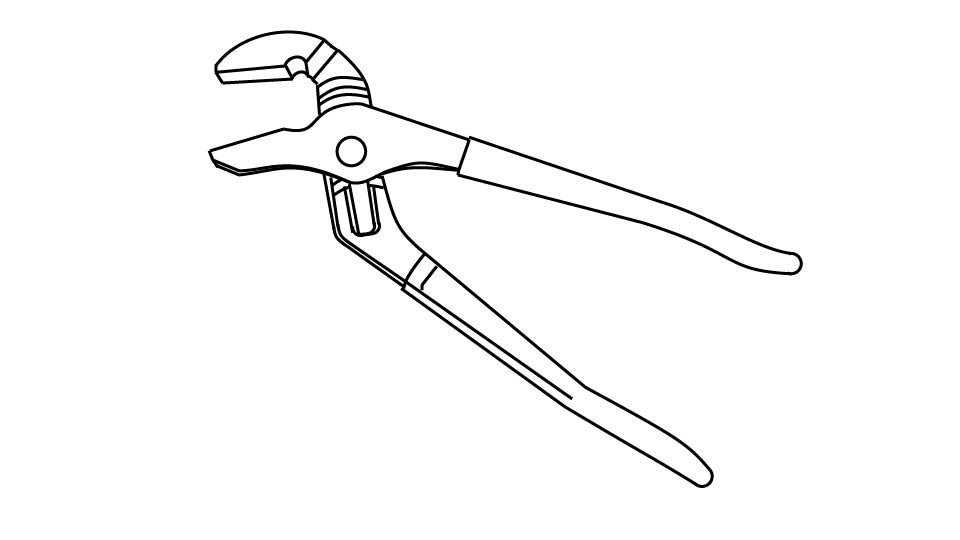
Channel-Lock pliers, also called groove-joint pliers, are one of the most versatile tools a DIYer can own. With adjustable jaws and a strong grip, they’re perfect for plumbing, gripping irregular shapes, and household projects that need extra leverage.
This guide will teach you how to use Channel-Lock pliers effectively and safely, even if you’ve never touched them before.
What Makes Channel-Lock Pliers Special?
Channel-Lock pliers feature adjustable, grooved jaws that slide to fit objects of different sizes. Unlike slip-joint pliers, their jaws can open wider for larger materials, giving you extra grip and power.
Common uses:
- Holding pipes or round objects
- Turning nuts and bolts
- Gripping irregular shapes
- Plumbing, home repair, and general DIY
How to Use Channel-Lock Pliers
1. Adjust the Jaw Width
- Open the handles wide.
- Slide the pivot to the appropriate groove.
- Close the handles so the jaws grip firmly but not too tight.
Tip: Test the grip on the object before applying full force to prevent slipping or damage.
2. Gripping and Holding
Channel-Lock pliers excel at holding round or awkward shapes. Perfect for plumbing tasks, tightening nuts, or gripping objects you can’t hold with your hands alone.
3. Turning Nuts and Bolts
The grooved jaws provide a secure grip for loosening or tightening fasteners. These pliers are ideal when a wrench won’t fit or when you need extra leverage.
Pro tip: Use the right groove size for the fastener to avoid stripping it.
4. Bending or Shaping Materials
Channel-Lock pliers can bend small metal rods or adjust wiring shapes in DIY projects. Just remember: for harder materials, a dedicated tool may be safer.
Safety Tips
- Always wear safety glasses when using pliers for cutting, bending, or gripping.
- Never use Channel-Locks on live electrical circuits.
- Avoid using them as hammers or pry bars — they’re meant for gripping, turning, and bending.
Recommended Channel-Lock Pliers for Beginners
Here’s a pair of durable, highly-rated Channel-Lock Pliers that will be perfect for most of your tasks.
(As an Amazon affiliate, I earn on qualified purchases)
Next Steps
With Channel-Lock pliers in your toolbox, you now have four essential plier types covered.
Related Posts
Master these, and you’ll be ready to tackle a wide range of DIY projects with confidence.
DIY projects involve risk. Always follow manufacturer instructions and use appropriate safety precautions.
7024
 Skippity Whistles