
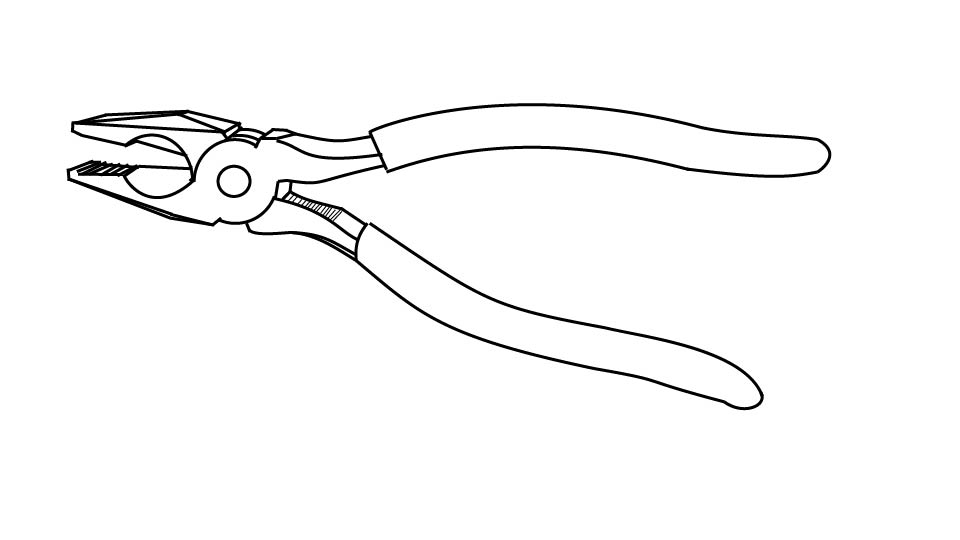
Linesman pliers (sometimes called lineman pliers) are a staple for any DIYer working with wire, small metal, or household projects that require gripping, twisting, or cutting. If you’ve never used them before, they might look intimidating, but with the right guidance, they’re simple, safe, and versatile.
This guide will help you understand, choose, and use Linesman Pliers with confidence.
What Makes Linesman Pliers Special?
Linesman pliers are known for their flat gripping jaws, a cutting edge near the pivot, and a robust build that lets you twist wires or cut cleanly. Unlike slip-joint pliers, they are less adjustable but stronger and perfect for electrical or general household tasks.
Common uses:
- Cutting wires and small metal pieces
- Twisting or looping wires
- Gripping and pulling small objects
How to Use Linesman Pliers
1. Gripping and Twisting
Use the flat jaws to hold wires or objects firmly. The ergonomic handles let you twist wires safely without slipping.
Tip: Always grip near the pivot for maximum control when twisting wires.
2. Cutting Wires
Linesman pliers have a cutting edge near the pivot. They’re suitable for:
- Household electrical wires
- Small metal rods or nails
Safety: Ensure the circuit is off before cutting electrical wires. Wear eye protection to prevent injury from flying wire pieces.
3. Pulling and Bending
The jaws can also pull nails, bend small metal pieces, or hold objects while working. Don’t use excessive force on hard materials — use the right tool for the job to avoid damaging the pliers or the workpiece.
Choosing Your First Linesman Pliers
Here’s a highly-rated and durable pair of Linesman Pliers.
(As an Amazon affiliate, I earn on each qualified purchase)
Safety Tips
- Always wear safety glasses when cutting wire.
- Never use pliers on live electrical circuits — safety first!
- Don’t use pliers as a hammer or wrench — they’re built for gripping, twisting, and cutting.
Next Steps
After mastering Linesman Pliers, explore other plier types in your DIYer’s toolbox:
With a few essential pliers under your belt, you’ll be ready for most basic household and DIY projects.
DIY projects involve risk. Always follow manufacturer instructions and use appropriate safety precautions.
7023
 Skippity Whistles