
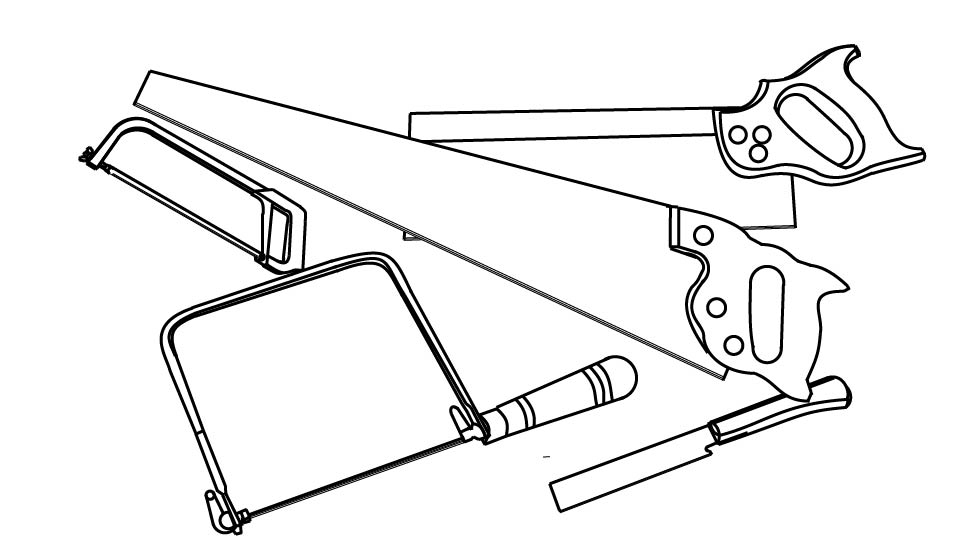
For all the power tools in the world, there’s still something deeply satisfying about a good handsaw. No cords, no batteries, no noise complaints — just sharp teeth and steady hands. Whether you’re breaking down lumber, trimming a stud, or cutting delicate joinery, the right handsaw makes the job faster, cleaner, and safer.
This guide walks DIYers through the most common types of handsaws, what each one is best for, and what to look for when buying one.
Why Every DIYer Should Own at Least One Handsaw
Even if your workshop is full of power tools, a handsaw earns its keep:
- Quick cuts without setup time
- Better control for small or precise work
- Safer for beginners than many power tools
- Useful when electricity (or patience) runs out
Handsaws are also inexpensive, durable, and easy to store — making them perfect for beginners and experienced DIYers alike.
The Most Common Types of Handsaws (And What They’re For)
1. Hand Saw (Panel Saw)
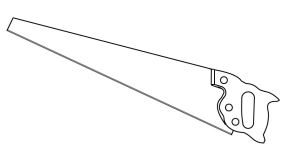
This is the classic, general-purpose handsaw most people picture.
Best for:
- Cutting lumber to length
- Rough framing work
- General DIY projects
What to know:
- Available in crosscut (across the grain) and rip (with the grain) versions
- Typically 20–26 inches long
- Tooth count (TPI) affects speed vs. smoothness
Amazon tip: Look for hardened teeth and a comfortable, non-slip handle.
2. Back Saw
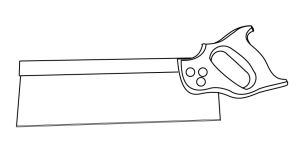
A back saw has a reinforced spine along the top edge to keep the blade stiff and straight.
Best for:
- Precise cuts
- Joinery and trim work
- Smaller woodworking projects
Common types:
- Miter saw (larger)
- Tenon saw
- Dovetail saw (smaller, finer teeth)
Amazon tip: Fine tooth count (12–20 TPI) is ideal for clean, accurate cuts.
3. Coping Saw
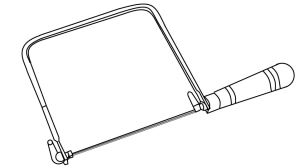
A coping saw uses a thin, replaceable blade held in a U-shaped frame.
Best for:
- Curved cuts
- Detailed shapes
- Inside cutouts
What makes it useful:
- Blade can rotate for tight curves
- Excellent control for finesse work
Amazon tip: Extra blades are cheap — grab a multipack.
4. Hacksaw
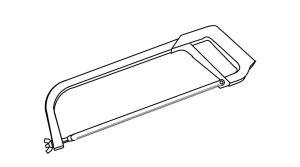
Though technically a metal-cutting saw, hacksaws belong in every DIY kit.
Best for:
- Cutting metal pipe
- Bolts, screws, and threaded rod
- Plastic and PVC
What to know:
- Uses fine-tooth replaceable blades
- Blade tension matters for straight cuts
Amazon tip: Adjustable-frame hacksaws give you more flexibility.
5. Japanese Pull Saw
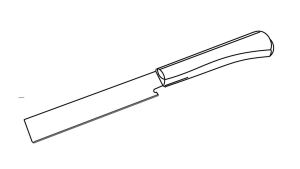
Japanese saws cut on the pull stroke instead of the push stroke.
Best for:
- Extremely clean cuts
- Precision woodworking
- Thin stock and trim
Why people love them:
- Thin blades remove less material
- Less effort required
- Excellent control
Amazon tip: Look for replaceable blades and hardwood handles.
6. Pruning Saw (Bonus Saw!)
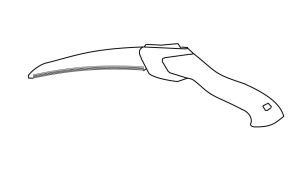
While not strictly for woodworking, pruning saws are incredibly useful.
Best for:
- Tree branches
- Landscaping projects
- Outdoor DIY work
Amazon tip: Curved blades cut aggressively with minimal effort.
How to Choose the Right Handsaw
When buying a handsaw, consider these factors:
Tooth Count (TPI)
- Low TPI (5–8): Faster, rougher cuts
- High TPI (10–20): Slower, smoother cuts
Blade Length
- Longer blades cut faster
- Shorter blades offer better control
Handle Comfort
- Ergonomic grip reduces fatigue
- Look for rubberized or contoured handles
Intended Material
- Wood, metal, plastic, or green wood all prefer different saws
Handsaw Safety Tips
Even without motors, handsaws can hurt you:
- Secure your workpiece before cutting
- Keep your non-cutting hand well clear
- Let the saw do the work — don’t force it
- Store saws with blade guards or sheaths
A sharp saw is actually safer than a dull one.
Do You Really Need More Than One Handsaw?
Eventually? Yes.
Right now? Maybe not.
For most DIYers:
- Start with one good hand saw
- Add a coping saw or back saw later
- Expand as your projects demand it
Handsaws are tools you collect slowly, as needed — and they rarely go to waste.
Begin with a good, highly-rated, durable Hand Saw like this one from Amazon.
(As an Amazon affiliate, I earn from qualified purchases)
Final Thoughts
Handsaws are simple, reliable, and endlessly useful. Whether you’re just starting out or filling gaps in your tool collection, owning the right handsaw makes DIY work easier, quieter, and more enjoyable.
And sometimes, it’s just nice to cut wood the old-fashioned way.
Related Posts
DIY projects involve risk. Always follow manufacturer instructions and use appropriate safety precautions.
7028
 Skippity Whistles