
DIY doesn’t have to be dangerous — but it does require a little respect for tools, materials, and your own body. The good news is that staying safe doesn’t mean buying a dozen specialty items or dressing like a hazmat technician.
For most beginner DIY projects, three pieces of safety gear do the vast majority of the work:
- Eye protection
- Hand protection
- Basic respiratory protection
This guide will show you what you actually need, when to use it, and how to stay safe without overthinking it.
That being said, the single most important element in your own safety is YOU. Keep your own safety foremost in your thoughts whenever you’re on a project.
Eye Protection: Your First Line of Defense
Your eyes are surprisingly easy to injure and frustratingly hard to replace. Flying debris, dust, wire ends, and wood chips don’t care how small the project is.
Use eye protection when:
- Cutting, drilling, or sanding
- Working with wire or metal
- Using power tools
- Hammering or prying
What to Look For
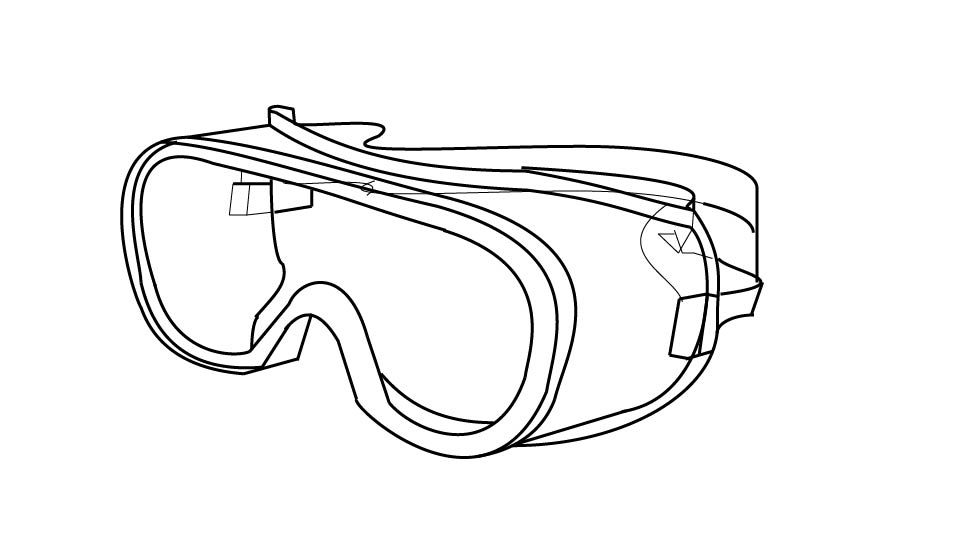
- Clear safety glasses or goggles
- Impact-rated lenses
- Comfortable fit (you’ll wear them more often)
These affordable Safety Glasses from Dewalt are highly rated and will do the job nicely.
(As an Amazon associate, I earn from qualifying purchases)
Skippity Whistles rule: If there’s even a small chance something could fly, wear the glasses.
Hand Protection: Gloves That Work With You
Hands do most of the work — and take most of the abuse. Gloves protect against splinters, sharp edges, pinches, and abrasion.
Use gloves when:
- Handling rough wood or metal
- Working with fasteners
- Doing demolition or cleanup
- Carrying materials
What to Look For
- Good grip
- Snug fit (too loose is dangerous)
- Breathable material
These IronClad General Utility Gloves are just a little bit more expensive, but are highly rated at Amazon.
Note: Don’t wear gloves around spinning power tools unless the tool manufacturer says it’s safe.
High-speed spinning tools like lathes and mills can capture the fingers of a glove before you have time to get your hand out, resulting in severe injuries. Any time you’re working with a high-speed spinning tool, power it down before you enter the work area.
Respiratory Protection: Don’t Breathe the Project
Dust is sneaky. Wood dust, drywall dust, insulation fibers, and old debris all linger in the air long after the work is done.
Use respiratory protection when:
- Sanding wood or drywall
- Cutting drywall or MDF (fiberboard)
- Sweeping up fine dust
- Working in enclosed spaces
What to Look For
- Disposable dust masks for light work
- N95-rated masks for finer particles
- Comfortable nose bridge and straps
The 3M N95 Disposable Respirator is a highly rated industry standard.
First Aid Kits: Be Ready for the Small Stuff
Most DIY injuries aren’t dramatic. They’re small cuts, scrapes, splinters, or pinched fingers — the kind of things that are easy to handle if you’re prepared and annoying if you’re not.
Having a basic first aid kit nearby lets you deal with minor injuries quickly and get back to your project without stress.
What a DIY First Aid Kit Should Include
You don’t need a full medical cabinet. A simple kit should have:
- Adhesive bandages (multiple sizes)
- Sterile gauze pads
- Medical tape
- Antiseptic wipes or spray
- Tweezers (for splinters)
- Disposable gloves
That’s enough to cover the vast majority of workshop mishaps.
Where to Keep It
- In the garage or workshop
- Near your main toolbox
- Somewhere easy to grab with one hand
If you have to go searching for it, it’s too far away.
Beginner-Friendly First Aid Kits
Here’s a solid, no-nonsense First Aid Kit that is well rated for home DIY.
A Simple Rule
If a project has tools, it should also have a first aid kit within arm’s reach.
You probably won’t need it often — but when you do, you’ll be glad it’s there.
The “Most Important” Safety Tool
The most important safety tool isn’t something you can buy. It’s a habit.
It’s pausing before you start.
- Make sure the tool, any tool you’re using, is free from defect and malfunction
- Think through the cut
- Check the grip
- Confirm the power is off
- Make sure you’re stable and comfortable
Most DIY injuries happen when you’re in a rush. Slow down, take your time. Enjoy the work.
Next Steps
This safety gear guide supports everything else in The DIYer’s Toolbox:
- Pliers
- Screwdrivers
- Hammers
- Cutting tools
With eye protection, gloves, and a dust mask on hand, you’ve already eliminated the most common beginner injuries — and gained confidence at the same time.
DIY should feel approachable, not risky.
DIY projects involve risk. Always follow manufacturer instructions and use appropriate safety precautions.
7025
 Skippity Whistles