
A DIYer’s Guide to Types, Sizes, and When Each One Matters
A screwdriver may look like a simple tool, but choosing the wrong screwdriver can strip screws, damage materials, and turn a quick job into a frustrating mess. Choosing the right screwdriver, on the other hand, makes work faster, safer, and cleaner.
Whether you’re assembling furniture, installing electrical outlets, or tackling home repairs, this guide will help you understand screwdriver types, sizes, and styles, so you always reach for the right one.
What Does it Mean to Strip a Screw?
To strip a screw means to damage the head of the screw so the tool can no longer grip it properly.
More specifically:
- The slots, cross, star, or square inside the screw head become rounded, widened, or chewed up
- The screwdriver or bit slips instead of turning
- The screw becomes difficult or impossible to drive or remove
Once a screw is stripped, the tool can’t transfer torque effectively anymore.
What Causes a Screw to Strip?
Common reasons include:
- Using the wrong type of screwdriver (e.g., flathead on a Phillips)
- Using the wrong size driver bit
- Applying too much force or speed
- Using worn or low-quality bits
- Driving screws into very hard material without pre-drilling
Why Stripped Screws Are a Problem
- They slow projects down
- They can damage surrounding materials
- Removing them often requires special tools or tricks
Quick Prevention Tips
Switch bits as soon as they start to wear
Match the driver type and size exactly to the screw
Apply steady pressure, not brute force
Let power tools do the work at lower speeds
Why Choosing the Right Screwdriver Matters
Using the wrong screwdriver can lead to:
- Stripped screw heads
- Slipping tools and injured hands
- Damaged materials
- Longer, more frustrating projects
The right screwdriver:
- Fits snugly in the screw head
- Transfers force efficiently
- Reduces wear on both screw and tool
In short: the right choice saves time, money, and knuckles.
Common Screwdriver Types (Drive Styles)
The most important factor when choosing a screwdriver is the drive type—the shape of the screw head.
Flathead (Slotted) Screwdrivers
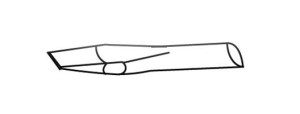
Flathead screwdrivers have a single straight blade and are one of the oldest designs still in use.
Best for:
- Older hardware
- Light-duty household tasks
Cons:
- Slips easily
- Strips screws more often
Amazon Tip: Look for flathead sets with hardened steel tips and multiple blade widths.
Phillips Screwdrivers
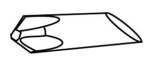
Phillips screws have a cross-shaped head designed to prevent overtightening.
Best for:
- General household projects
- Furniture assembly
- Appliances
Common sizes: #0, #1, #2, #3
(#2 is the most common for household use.)
Tip: A magnetic-tip Phillips screwdriver is a game-changer for beginners.
Torx (Star) Screwdrivers
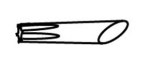
Torx screws have a six-point star shape and are common in modern construction and appliances.
Best for:
- Power tools
- Automotive work
- Electronics
Why they’re great:
- Excellent grip
- High torque without stripping
Tip: A Torx screwdriver set (T10–T25) covers most DIY needs.
Square (Robertson) Screwdrivers

Square-drive screws are popular in woodworking and decking.
Best for:
- Construction projects
- Wood screws
Why DIYers love them:
- Rarely slip
- Excellent control
Hex (Allen) Screwdrivers
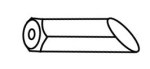
Hex screws are common in furniture and machinery.
Best for:
- Flat-pack furniture
- Bicycles
- Equipment assembly
Note: Many sets include both metric and SAE sizes.
Choosing the Right Size Screwdriver
Even with the correct drive type, size matters.
A properly sized screwdriver:
- Fills the screw head completely
- Doesn’t wobble
- Requires minimal downward pressure
If the tip feels loose, it’s too small.
If it won’t seat fully, it’s too large.
Tip: Multi-size screwdriver sets are inexpensive and prevent guesswork.
Screwdriver Handle Styles
Standard Handles
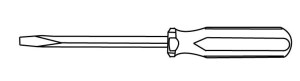
Great for everyday use and light-duty work.
Cushion-Grip Handles
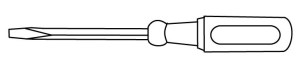
Offer better comfort and control during longer projects.
Precision Screwdrivers
Small drivers designed for:
- Eyeglasses
- Electronics
- Small appliances
Manual vs. Specialty Screwdrivers
Ratcheting Screwdrivers
Allow continuous turning without repositioning.
Best for:
- Repetitive tasks
- Tight spaces
Insulated Screwdrivers
Designed for electrical work.
Important: Always use properly rated insulated tools when working near live electricity.
Should You Buy Individual Screwdrivers or a Set?
For most DIYers, a quality screwdriver set is the best starting point.
Look for sets that include:
- Flathead and Phillips (multiple sizes)
- Torx drivers
- Magnetic tips
- Durable storage case
This highly rated 43-Piece Chrome Vanadium set offers pretty much every screwdriver you’ll need for awhile.
Common Mistakes to Avoid
- Using a flathead on a Phillips screw
- Forcing the wrong size
- Using worn or damaged tips
- Applying excessive torque instead of switching tools
Final Thoughts
Choosing the right screwdriver isn’t complicated—but it does matter. By matching the drive type, size, and handle style to the job, you’ll work faster, safer, and with far less frustration.
A small investment in the right screwdrivers pays off on every project.
Related Posts
DIY projects involve risk. Always follow manufacturer instructions and use appropriate safety precautions.
7031
 Skippity Whistles