
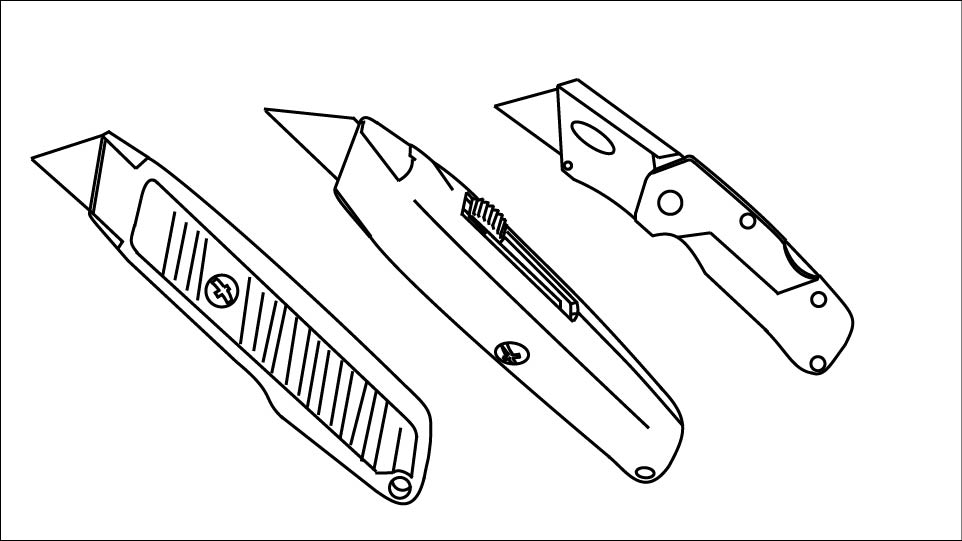
A utility knife is one of the most useful — and most underestimated — tools in any DIY kit. It’s simple, inexpensive, and incredibly versatile. It’s also responsible for a surprising number of injuries when used carelessly.
The good news? With the right technique and a little respect, a utility knife is safe, precise, and indispensable. This guide covers how to safely use a utility knife, common mistakes to avoid, and how to choose a good one for DIY work.
What Is a Utility Knife Used For?
Utility knives are designed for light-to-medium cutting tasks, including:
- Cutting drywall and insulation
- Trimming carpet, vinyl, and flooring
- Opening boxes and packaging
- Scoring materials before snapping them
- Cutting rope, twine, and plastic sheeting
They excel at controlled cuts — not brute force.
Common Types of Utility Knives
Understanding your tool helps you use it safely.
Fixed-Blade Utility Knives

- Strong and simple
- Blade does not retract
- Must be stored carefully
Retractable Utility Knives
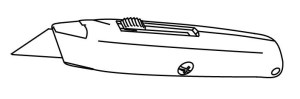
- Blade slides in and out
- Safer for general use
- Most common DIY choice
Folding Utility Knives
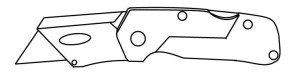
- Compact and portable
- Locking mechanism is critical
- Good for tool belts and pockets
A Solid Starter Pick for DIYers
For most homeowners and beginners, a retractable utility knife with a locking mechanism is the safest and most versatile option.
What to look for:
- Positive blade lock (no sliding during cuts)
- Comfortable, non-slip grip
- Easy blade changes
- Standard replaceable blades
This Retractable Blade Utility Knife from Amazon is very highly rated.
(As an Amazon affiliate, I earn from qualified purchases)
Utility Knife Safety Basics (Read This First)
Before making a single cut:
- Making a good, safe cut, is all about controlling the environment
- Make sure there is adequate light to see what you’re doing
- Always use a sharp blade (dull blades slip)
- Keep your free hand out of the cutting path
- Cut away from your body, never toward it
- Secure the material before cutting
- Retract or cover the blade immediately after use
A utility knife rewards patience and punishes rushing.
How to Safely Use a Utility Knife (Step-by-Step)
1. Prepare the Work Area
- Clear clutter
- Ensure good lighting
- Stabilize the material on a flat surface
2. Extend the Blade Correctly
- Extend only as much blade as needed
- More blade = less control: long blades can flex
3. Score, Don’t Force
- Make light passes instead of one heavy cut
- Let the blade do the work
4. Maintain Control
- Keep your wrist straight
- Apply steady pressure
- Stop immediately if the blade binds or catches
5. Finish and Retract
- Complete the cut cleanly
- Retract or fold the blade immediately
Blade Maintenance and Replacement
Blade condition is a major safety factor.
- Replace blades at the first sign of tearing or dragging
- Don’t try to “get one more cut” out of a dull blade
- Dispose of old blades in a sharps container or wrapped securely in cardboard
Many injuries happen during blade changes — take your time.
Common Utility Knife Mistakes (And How to Avoid Them)
- ❌ Cutting toward yourself
- ❌ Using excessive force
- ❌ Working with unstable material
- ❌ Leaving the blade extended
- ❌ Using the wrong knife for the job
If a task feels sketchy, stop and reassess.
Safety Gear Worth Using
Utility knives don’t look dangerous — until they are.
Consider:
- Cut-resistant gloves
- Safety glasses (especially when scoring brittle materials)
- Knee pads when cutting flooring or carpet
Small precautions prevent big problems.
When NOT to Use a Utility Knife
A utility knife is not the right tool for:
- Thick lumber
- Metal stock
- Heavy demolition
- High-force prying
Using the wrong tool is one of the fastest paths to injury.
Final Thoughts
A utility knife is a quiet workhorse — reliable, precise, and always within reach. Used properly, it’s one of the safest cutting tools you can own. Used carelessly, it can ruin your day in seconds.
Slow down. Use a sharp blade. Respect the cut.
That’s the difference.
Related Posts
DIY projects involve risk. Always follow manufacturer instructions and use appropriate safety precautions.
7029
 Skippity Whistles