
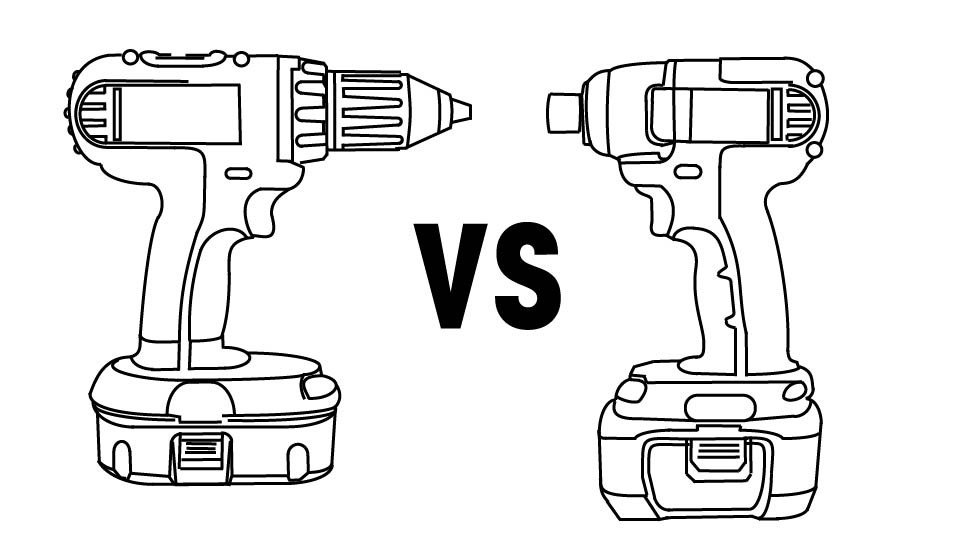
Choosing the Right Tool for Screws, Bolts, and DIY Projects
Power drivers and impact drivers look similar, but they are very different tools designed for different jobs. Choosing the right one can mean the difference between smooth, controlled fastening and stripped screws—or cracked materials.
This guide explains what power drivers and impact drivers do, how they differ, and when to use each, so you can buy the right tool the first time.
What Is a Power Driver?
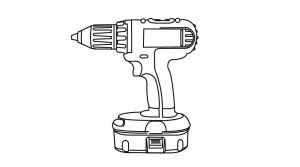
A power driver (often called a drill/driver or power drill) is a versatile cordless tool designed for driving screws and drilling holes.
What Power Drivers Do Best
- Driving screws into wood, drywall, and plastic
- Drilling holes with standard drill bits
- Light to medium-duty DIY projects
Key Features
- Adjustable clutch to control torque
- Variable speed trigger
- Forward and reverse settings
- Accepts drill bits and driver bits
Why DIYers love them:
Power drivers offer control. The clutch prevents overtightening, making them ideal for beginners and finish work.
This 18V Cordless Drill/Driver is from a highly-regarded, popular manufacturer, and includes a battery and charger.
(As an Amazon affiliate, I earn on qualifying purchases)
What Is an Impact Driver?
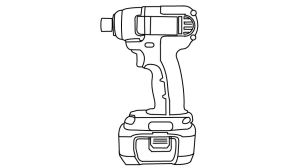
An impact driver is built for high-torque fastening, especially when driving long screws or bolts into dense materials.
Instead of constant rotation, an impact driver delivers rapid rotational impacts that reduce strain on your wrist while increasing driving power.
What Impact Drivers Do Best
- Driving long deck screws
- Fastening lag bolts
- Construction and framing tasks
- Tough materials like pressure-treated lumber
Key Features
- High torque output
- 1/4″ hex collet for quick bit changes
- Compact, lightweight design
- Loud—but powerful—operation
Why they’re different:
Impact drivers apply force in bursts, making them far less likely to cam out or strip screw heads.
This highly-rated 18v Impact Driver is from a very well known manufacturer, and includes a battery and charger.
Power Driver vs Impact Driver: Quick Comparison
| Feature | Power Driver | Impact Driver |
|---|---|---|
| Torque Control | Adjustable clutch | No clutch |
| Drilling Holes | Yes | No (typically) |
| Noise Level | Quiet | Loud |
| Best For | General DIY | Heavy-duty fastening |
| Beginner Friendly | Very | Moderate |
Do You Need Both?
For many DIYers, the answer is eventually yes. Start with a good power driver, and then move into the impact driver.
- Use a power driver for:
- Furniture assembly
- Cabinet installation
- Light repairs
- Use an impact driver for:
- Deck building
- Framing
- Driving large or long fasteners
Pro Move: Many manufacturers sell combo kits that include both tools, two batteries, and a charger—often cheaper than buying separately.
Take a look at How to Use a Power Drill for detailed information on power drills.
Battery Voltage and Power Considerations
- 12V tools: Lightweight, great for small jobs
- 18V / 20V tools: Best all-around choice for homeowners
- Brushless motors: Longer life, more efficiency
Amazon Tip: Try to stick with a single manufacturer for both tools, so that the battery works with both. With that in mind, when you buy the second tool, you won’t need to buy a second charger/battery set.
Common Mistakes to Avoid
- Using an impact driver for delicate screws
- Overdriving fasteners without a clutch
- Using poor-quality driver bits
- Ignoring torque settings on a power driver
Safety Tips for Power Driving Tools
- Wear eye protection
- Keep both hands clear of fasteners
- Use the correct bit type and size
- Let the tool do the work—don’t force it
Final Thoughts
Power drivers and impact drivers are not interchangeable—but they complement each other perfectly. A power driver offers control and versatility, while an impact driver delivers raw fastening power when it’s needed most.
Choosing the right one will make your projects faster, cleaner, and far less frustrating.
Related Posts
- The DIYer’s Toolbox
- How to Choose the Right Screwdriver
- How to Use a Power Drill
- How to DIY It Safely
DIY projects involve risk. Always follow manufacturer instructions and use appropriate safety precautions.
7032
 Skippity Whistles