
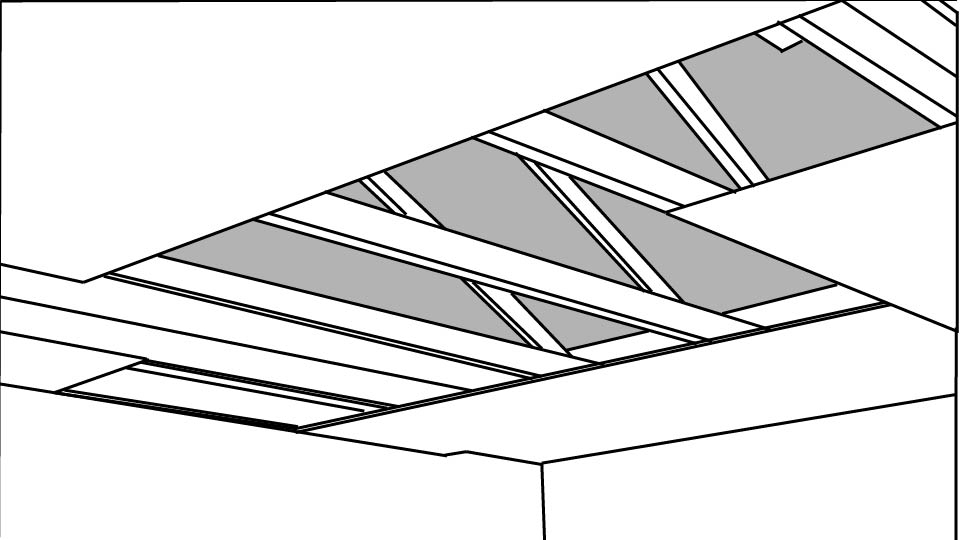
Drywall—also known as sheetrock or gypsum board—is one of the most common building materials in modern homes. If you’ve ever wanted to patch a hole, finish a basement, or remodel a room, learning the basics of working with drywall is an essential DIY skill.
The good news? Drywall work looks intimidating, but it’s very approachable for beginners with the right tools and a little patience. This guide walks you through the fundamentals, step by step.
What Is Drywall?
Drywall is a flat panel made of gypsum sandwiched between paper layers. It’s used to create interior walls and ceilings because it’s:
- Affordable
- Fire-resistant
- Easy to cut and repair
- Smooth when finished properly
Standard drywall sheets come in sizes like 4×8 feet and thicknesses such as 1/2 inch (most common) and 5/8 inch (often used for ceilings or fire-rated walls).
Essential Drywall Tools for Beginners
Before you start, gather a few basic tools. These are inexpensive and widely available.
Must-Have Drywall Tools
- Utility knife – for scoring and cutting drywall
- Drywall T-square or straightedge – helps make clean, straight cuts
- Drywall saw – useful for outlet and switch openings
- Drywall screws – designed to grip without tearing paper
- Drill or drywall screw gun – speeds up installation
- Joint compound (mud) – used to smooth seams and holes
- Putty knives (6” and 10–12”) – for applying compound
- Drywall tape (paper or fiberglass mesh)
- Sanding sponge or pole sander
Each of these tools is commonly bundled in beginner drywall kits, which makes easy product placement natural.
Drywall Safety Tips
Drywall work is relatively safe, but a few precautions matter:
- Wear eye protection when cutting or sanding
- Use a dust mask or respirator when sanding joint compound
- Lift sheets carefully—drywall is heavier than it looks
- Use a stud finder before driving screws
How to Cut Drywall (The Right Way)
Cutting drywall is simpler than most people expect:
- Measure and mark your cut line
- Score the front paper with a utility knife
- Snap the board along the score
- Cut through the back paper to separate
For outlets or irregular cuts, a drywall saw or rotary tool works best.
How to Hang Drywall
Hanging drywall means attaching sheets securely to wall studs or ceiling joists.
Basic Hanging Steps
- Start with full sheets whenever possible
- Position the sheet horizontally on walls
- Drive drywall screws every 12–16 inches
- Sink screws slightly below the surface—without tearing paper
Drywall screw depth is critical. Too shallow and the head sticks out; too deep and it loses holding power.
Taping and Mudding Drywall Seams
This is where beginners often feel overwhelmed—but it’s all about layers.
Step-by-Step Taping and Mudding
- Apply a thin layer of joint compound over seams
- Press drywall tape into the wet compound
- Smooth it flat with a putty knife
- Let dry completely
- Apply 2–3 wider coats, feathering edges each time
- Sand lightly between coats
Patience matters more than strength here.
Sanding and Finishing
Once the final coat dries:
- Use fine-grit sanding sponges
- Sand lightly—don’t expose the tape
- Shine a work light across the wall to spot imperfections
When smooth, your drywall is ready for primer and paint.
Common Drywall Mistakes to Avoid
Beginners often make these easy-to-fix errors:
- Over-sanding and exposing tape
- Applying joint compound too thick
- Rushing drying time
- Driving screws too deep
- Skipping primer before painting
Learning drywall is as much about restraint as technique.
Small Drywall Repairs (Great Beginner Projects)
If you’re not ready to hang full sheets, start with repairs:
- Nail pops
- Small holes
- Cracks at seams
- Dented corners
These projects build confidence and use the same tools as larger jobs.
Is Drywall a Good DIY Skill to Learn?
Absolutely. Drywall work:
- Saves significant labor costs
- Improves home resale value
- Makes future repairs easier
- Builds confidence for other projects
Most homeowners can achieve professional-looking results with practice.
Final Thoughts
Working with drywall is one of the most practical DIY skills a beginner can learn. With basic tools, a little patience, and realistic expectations, you can repair walls, finish rooms, and tackle home projects that once felt out of reach.
If you’re willing to go slow and learn the process, drywall rewards effort more than talent.
DIY projects involve risk. Always follow manufacturer instructions and use appropriate safety precautions.
2003
 Skippity Whistles