
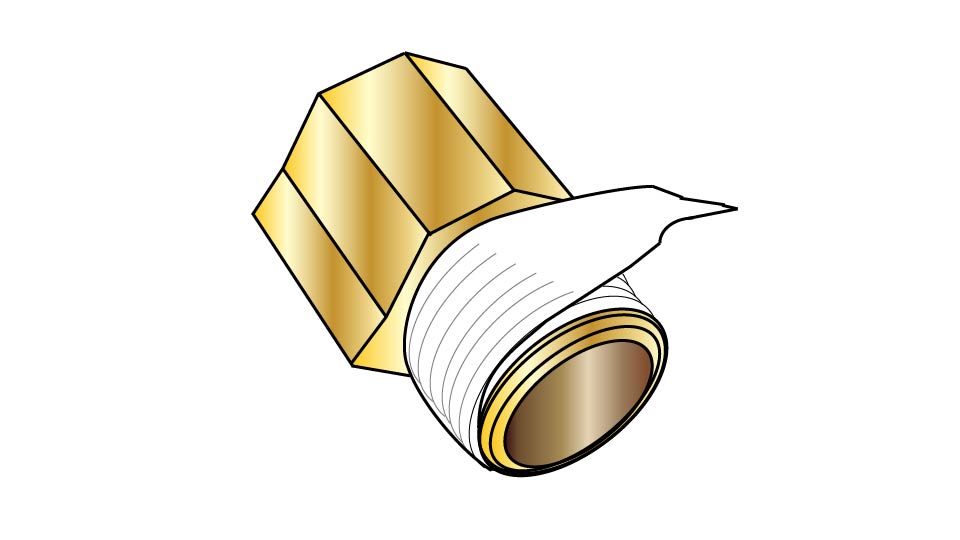
(Or: How to Use Teflon Tape Without Going Through the Whole Roll)
Teflon tape — also known as plumber’s tape or PTFE tape — is one of the simplest plumbing tools around. It’s also one of the easiest to mess up.
Used correctly, it creates a clean, reliable seal on threaded pipe connections with almost no effort.
Wrapped the wrong way, applied too thickly, or used where it doesn’t belong, Teflon tape can cause leaks instead of preventing them!
Here’s how to use it properly — and when not to use it at all.
What Teflon Tape Actually Does
Teflon tape doesn’t “glue” threads together. Instead, it:
- Fills tiny gaps between threaded connections
- Reduces friction so fittings tighten fully
- Helps create a watertight (and airtight) seal
It’s designed only for threaded pipe connections, not compression fittings or flared connections.
When You Should (and Shouldn’t) Use Teflon Tape
Use Teflon Tape On:
- Threaded metal or plastic pipe (NPT threads)
- Shower arms
- Threaded fittings on supply lines (when specified)
- Some gas-line fittings (with gas-rated tape only)
Do Not Use Teflon Tape On:
- Compression fittings
- Flared fittings
- Push-to-connect fittings
- Threads that already have a rubber gasket
If the seal comes from squeezing or flaring — tape won’t help.
Step-by-Step: How to Use Teflon Tape Correctly
1. Start With Clean Threads
Remove old tape, debris, or sealant from the threads on the pipe. Dirty threads prevent a proper seal.
2. Wrap in the Correct Direction (This Is the Big One)
Hold the fitting so you’re looking at the threaded end.
Wrap the tape clockwise, the same direction the fitting will turn when tightened.
If you wrap it the other way, the tape will unravel as you screw the fitting on — defeating the entire purpose.
3. Use the Right Amount
- 2–3 wraps for most household plumbing
- 3–5 wraps for larger fittings
More tape does not mean a better seal. Too much tape can:
- Prevent proper tightening
- Crack plastic fittings
- Push tape into the pipe interior
4. Keep Tape Off the Pipe Opening
Start wrapping one thread back from the end. This keeps loose tape from breaking off inside the pipe and clogging valves or aerators later.
5. Press It In and Assemble
After wrapping, press the tape lightly into the threads with your fingers. Then assemble the fitting normally — snug, not heroic.
White, Yellow, Pink… Does Color Matter?
Yes — sometimes.
- White tape: standard household plumbing
- Yellow tape: gas lines only
- Pink tape: heavier-duty water applications
When in doubt, white tape works for most DIY plumbing jobs involving water.
Common Teflon Tape Mistakes (You’re Not Alone)
- Wrapping in the wrong direction
- Using tape on compression fittings
- Using way too much tape
- Letting tape hang into the pipe opening
- Expecting tape to fix damaged threads
Tape helps good threads seal — it doesn’t rescue bad ones.
Teflon Tape vs. Pipe Dope
Pipe joint compound (“pipe dope”) is another sealing option. Some plumbers prefer it, especially for metal fittings.
For DIYers:
- Teflon tape is cleaner, simpler, and less intimidating
- Pipe dope is effective but messier
You’ll see both used — sometimes even together — but tape alone is usually sufficient for household projects.
Where to Get Teflon Tape
You can find Teflon tape in the plumbing section of virtually any hardware or home improvement store. You can also order it online:
This highly-rated Teflon Plumbers Tape will do exactly what you need it to.
(As an Amazon affiliate, I earn from qualified purchases)
Bottom Line
Teflon tape is cheap, simple, and incredibly effective — when used correctly. Wrap it the right way, use a reasonable amount, and only apply it where it belongs.
Get those basics right, and most small plumbing jobs stop being stressful and start being… boring. And boring plumbing is the best kind.
For more beginner-friendly plumbing tools and techniques, see The DIYer’s Toolbox and our growing How to Pipes collection.
DIY projects involve risk. Always follow manufacturer instructions and use appropriate safety precautions.
3016
 Skippity Whistles