
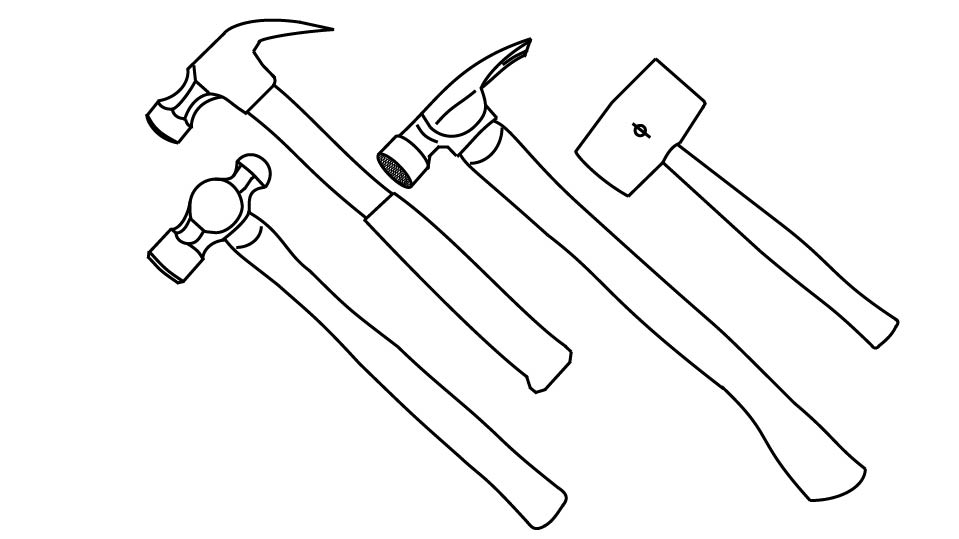
Choosing the right hammer might seem simple—until you realize there are dozens of types, weights, and handle materials. Using the wrong hammer can lead to bent nails, damaged materials, sore wrists, or even injury. Whether you’re a first-time DIYer or slowly building out your toolbox, this guide will help you choose the right hammer for the job.
Why Choosing the Right Hammer Matters
A hammer isn’t just a hammer. Different hammers are designed for different tasks, and using the wrong one can:
- Reduce accuracy and efficiency. You’ve probably heard the phrase “that’s like taking a sledgehammer to squash a fly.”
- Damage work surfaces
- Cause fatigue or strain
- Increase the chance of injury
Choosing the right hammer makes your work safer, easier, and cleaner—especially for beginners.
The Most Common Types of Hammers
Claw Hammer (The Everyday Hammer)
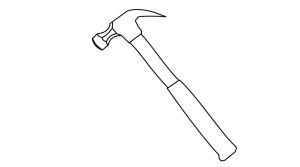
The claw hammer is the most common hammer found in home toolboxes. It features a flat striking face on one side and a curved claw for removing nails on the other.
Best for:
- Driving and removing nails
- General carpentry
- Household DIY projects
This popular, highly-rated 16 oz Claw Hammer belongs in your toolbox.
(As an Amazon affiliate, I earn from qualified purchases)
Framing Hammer
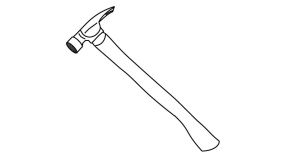
Framing hammers are not for making picture frames. They larger and heavier than standard claw hammers, and are meant for framing houses. Many feature a straight claw and a textured (milled) face for gripping large nails.
Best for:
- Framing and construction
- Heavy-duty carpentry
- Outdoor projects like decks or sheds
Not ideal for beginners or finish work—these heavy-weight guys will definitely leave a mark.
Ball Peen Hammer
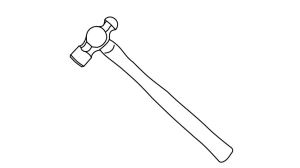
This hammer has a flat face on one side and a rounded “ball” on the other.
Best for:
- Metalworking
- Shaping rivets
- Striking punches and chisels
Ball peen hammers are commonly found in mechanic and metal shops rather than woodworking spaces. You can use them to drive a nail in a pinch, although removing the nail will be a challenge.
Rubber or Soft-Face Mallet
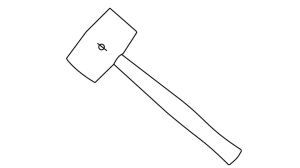
Mallets are designed to strike without damaging surfaces.
Best for:
- Assembling furniture
- Tapping pieces into place
- Working with delicate materials
Look for rubber, polyurethane, or dual-face mallets.
Choosing the Right Hammer Weight
Hammer weight is usually measured by the weight of the hammer’s head.
- 12–16 oz: Great for beginners and light household work
- 16–20 oz: Ideal, all-around size for most DIYers
- 22+ oz: Best for heavy-duty or professional work
Tip: Heavier isn’t always better. Control and accuracy matter more than brute force.
Handle Materials: What’s Best?
Wood Handles
- Traditional look and feel
- Absorbs vibration well
- Can break if overstruck
Fiberglass Handles
- Lightweight and durable
- Good shock absorption
- Popular with DIYers
Steel Handles
- Extremely durable
- Often coated for grip
- Can transmit more vibration
This popular, highly-rated 16oz Claw Hammer also features a durable fiberglass handle
Grip and Comfort Matter
A comfortable grip reduces hand fatigue and improves accuracy. Look for:
- Non-slip rubber grips
- Ergonomic shaping
- Balanced weight distribution
If possible, test the hammer in your hand. If buying online, reviews are your best friend.
Common Hammer Mistakes to Avoid
- Using a framing hammer for finish work – the hammers are too heavy and will damage your surface
- Choosing a hammer that’s too heavy – some jobs require the finesse of a lighter hammer
- Ignoring handle comfort – if you’re driving a ton of nails, you’ll want a cushioned grip
- Striking hardened steel with the wrong hammer – you can ruin the flat face of a hammer by bashing against hardened steel.
- Striking a concrete floor with a hammer – this is a specialty for kids on the garage floor. It damages the floor, can damage the hammer, and sends concrete chips flying
Using the right hammer protects both your project and your hands.
Recommended Hammer Features for Beginners
If you’re just starting out, look for:
- A 16 oz claw hammer
- Fiberglass or shock-absorbing handle
- Smooth face
- Good reviews and a trusted brand
This single hammer can handle most household and DIY tasks.
Final Thoughts
The right hammer makes every project easier, safer, and more enjoyable. Instead of forcing one tool to do every job, choose a hammer designed for the work you’re doing. A small investment now can save time, frustration, and even injuries later.
Related Posts
DIY projects involve risk. Always follow manufacturer instructions and use appropriate safety precautions.
7033
 Skippity Whistles