
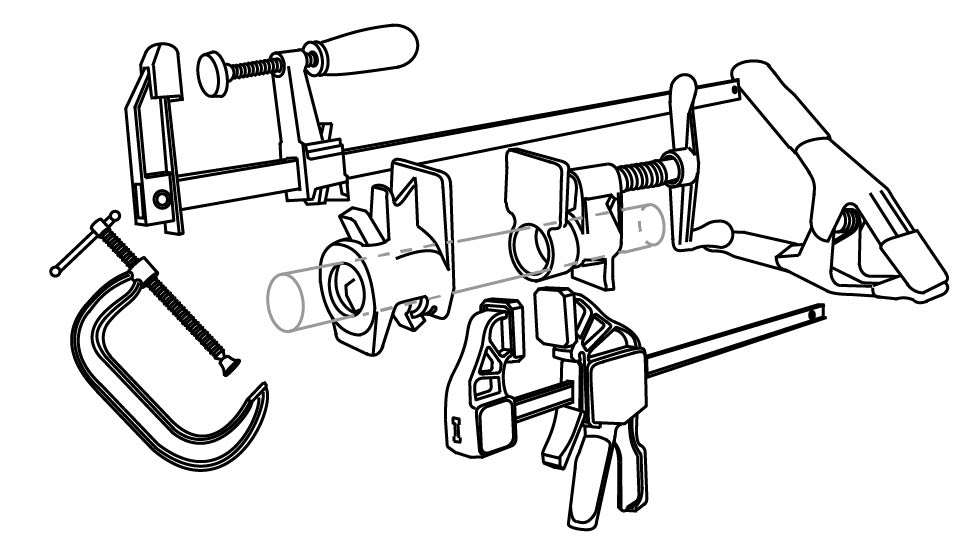
Clamps are one of the most overlooked tools in a DIY toolbox—until you need a third hand. Whether you’re gluing wood, holding materials in place while drilling, or keeping a project square, the right clamp can make the difference between frustration and clean results.
This guide will walk you through the most common types of clamps, what they’re used for, and how to choose the right one for your project.
Why Clamps Matter in DIY Projects
Clamps do more than just “hold things together.” They:
- Improve accuracy and alignment
- Increase safety by securing workpieces
- Free up your hands for tools
- Make glue-ups stronger and cleaner
If you’re working without clamps, you’re probably working harder than you need to.
Common Types of Clamps (And When to Use Them)
C-Clamps
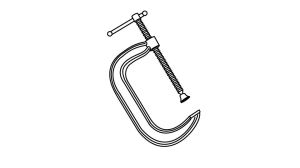
C-clamps are strong, simple, and versatile. They use a threaded screw to apply pressure and are usually made of steel or cast iron.
Best for:
- Heavy-duty holding
- Metalworking
- Securing materials to a workbench
This set of 3-6 Inch C-Clamps is highly rated and a useful clamp assortment.
(As an Amazon affiliate, I earn on qualified purchases)
Bar Clamps
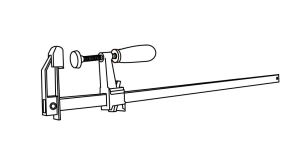
Bar clamps feature a long bar with adjustable jaws, allowing you to clamp wider projects.
Best for:
- Woodworking
- Gluing panels or frames
- Cabinet and furniture projects
Bar clamps offer excellent reach and pressure control.
Quick-Grip (Trigger) Clamps
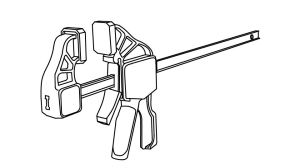
Quick-grip clamps can be operated with one hand using a trigger mechanism.
Best for:
- Light-duty holding
- Temporary positioning
- DIY and home projects
These are extremely beginner-friendly and very popular on Amazon.
Spring Clamps
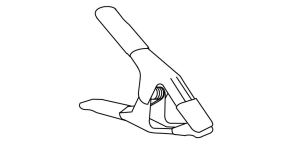
Spring clamps work like heavy-duty clothespins and apply constant pressure.
Best for:
- Lightweight projects
- Holding fabric, trim, or small parts
- Quick tasks where precision isn’t critical
They’re inexpensive and useful to have in multiples.
Pipe Clamps
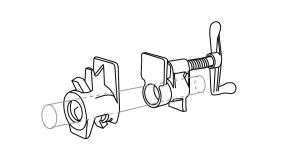
Pipe clamps use standard pipes as the bar, allowing you to customize length.
Best for:
- Large glue-ups
- Workbenches and tabletops
- Projects requiring long reach
Pipe clamps are powerful and scalable, but may be overkill for beginners.
Choosing the Right Clamp Size
Clamp size is defined by:
- Jaw opening: How wide the clamp can open
- Throat depth: How far the clamp reaches into the workpiece
For most DIYers:
- Small projects: 2–6 inches
- Medium projects: 12–24 inches
- Large projects: 36 inches or more
💡 Tip: It’s better to own a few clamps in different sizes than many of one size.
How Much Pressure Do You Need?
Not all clamps are about brute force.
- High pressure: C-clamps, pipe clamps
- Moderate pressure: Bar clamps
- Light pressure: Quick-grip and spring clamps
Too much pressure—especially during glue-ups—can weaken joints or damage materials.
Clamp Materials and Build Quality
When shopping for clamps, look for:
- Steel or reinforced nylon construction
- Smooth adjustment mechanisms
- Non-marring pads to protect surfaces
Common Clamp Mistakes to Avoid
- Using too few clamps during glue-ups
- Over-tightening and crushing wood fibers
- Using light-duty clamps for heavy work
- Not protecting finished surfaces
Clamps should hold firmly, not aggressively.
Frequently Asked Questions About Clamps
What is the difference between a trigger clamp and a bar clamp?
A trigger clamp (also called a quick-grip clamp) is designed for speed and convenience. It uses a one-handed trigger mechanism, making it ideal for light-duty tasks and situations where you need your other hand free.
A bar clamp uses a screw handle on a long bar to apply stronger, more even pressure. Bar clamps are better suited for woodworking, furniture building, and glue-ups where strength and alignment matter.
In short:
Trigger clamps are faster and easier to use, while bar clamps provide more clamping force and stability.
Are trigger clamps strong enough for glue-ups?
Trigger clamps can handle light glue-ups, such as small repairs or trim work. However, for larger projects or panel glue-ups, bar clamps are a better choice because they apply more consistent pressure across the joint.
Do beginners need both trigger clamps and bar clamps?
Yes—most DIYers benefit from owning both.
- Trigger clamps act like extra hands for positioning and holding
- Bar clamps provide the strength needed for solid joints
Starting with a few of each covers most household and DIY projects.
How many clamps should I own to start?
For beginners, a good starting point is:
- 2–4 trigger clamps
- 2 bar clamps
You can always add more as your projects grow in size and complexity.
Recommended Starter Clamp Set
For beginners building a toolbox, a solid starting mix includes:
- 2–4 quick-grip clamps (6–12 inch)
- 2 bar clamps (24 inch)
- 2 small C-clamps
This combination covers most household and DIY needs.
This high-rated Clamp Set provides a useful variety of clamps at a reasonable price.
Final Thoughts
Clamps aren’t flashy, but they’re essential. Choosing the right clamp makes projects safer, cleaner, and far less frustrating. Once you start using clamps regularly, you’ll wonder how you ever worked without them.
 Skippity Whistles
Clamp on? Clamp off. Finding the right Clamp isolated I need to do. Thank you. This really helped.
Buzz
LikeLike
Thank you, Mr. Speedo, for your continued patronage! Glad the post helped.
LikeLike