-
How to Choose the Right Sandpaper
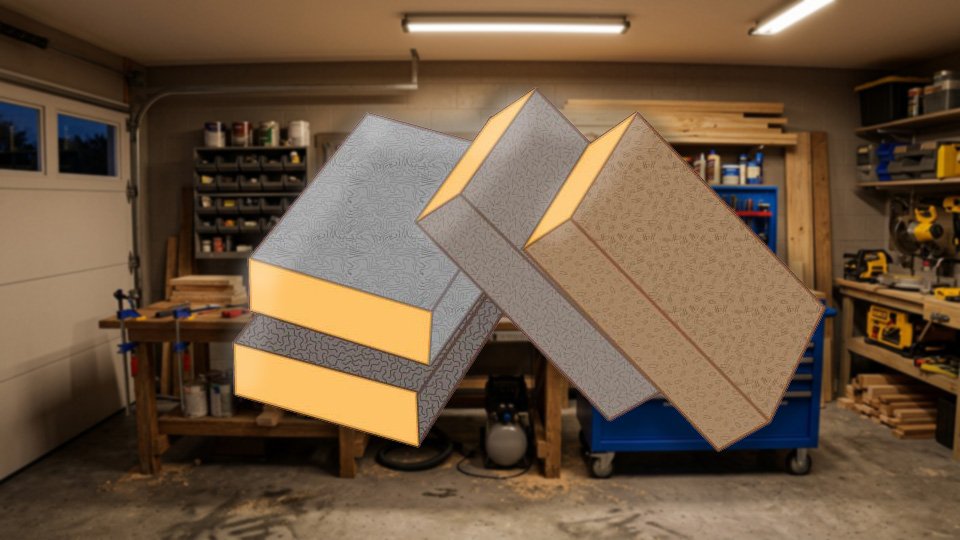
Confused about sandpaper grit? Here’s the simple rule: lower numbers remove, higher numbers finish. Stock four grits and you’re set for 90% of DIY sanding.
-
Staples vs. Nails: Two Different Jobs Wearing Similar Outfits
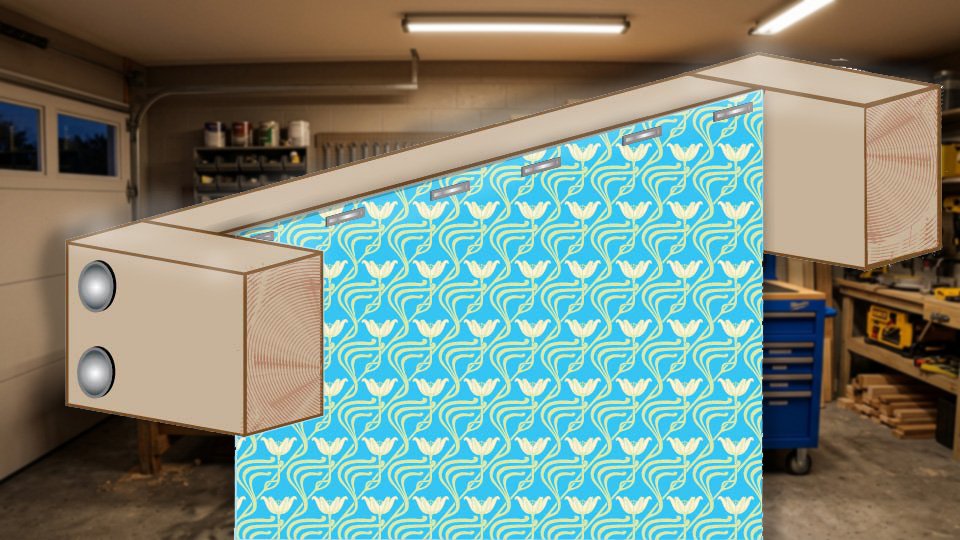
Your stapler isn’t a hammer and your hammer isn’t a stapler. Here’s how to pick the right fastener before your project falls apart and your significant other asks ‘why did you do that?’
-
How to Choose a Paintbrush (And Why the Cheap One Always Costs More)
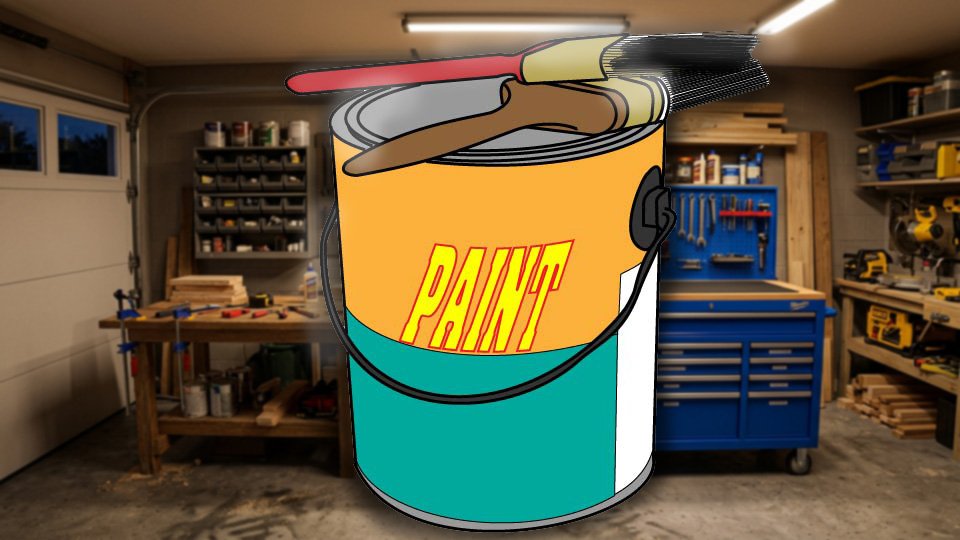
A cheap paintbrush sheds bristles. A good one doesn’t. Here’s how to tell the difference, match the brush to the paint type, and never fish a bristle off a wet wall again.
-
How to Use a Soldering Iron (Or: Heat the Joint, Not the Solder)
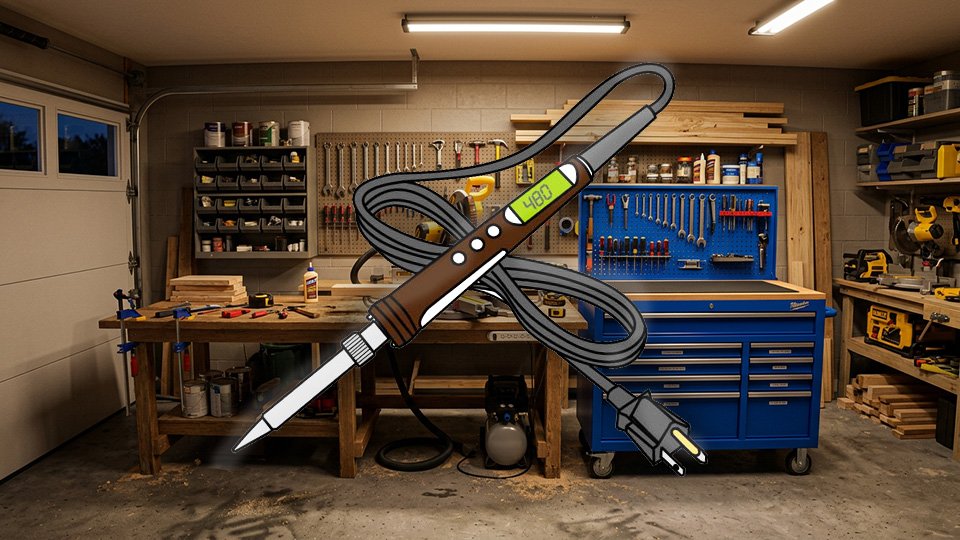
Soldering looks scary but it’s just heating the joint until solder flows. Here’s how to do it right so your circuits actually work instead of exploding.
-
How to Choose the Right Paint: Why Your Cheap Choice Will Haunt You For Five Years
Cheap paint needs repainting in three years. Premium paint lasts ten. Here’s how to choose right so you don’t spend $200 fixing a $20 mistake.
-
How to Mask Like a Pro (Or: The Tape Was Never the Problem)
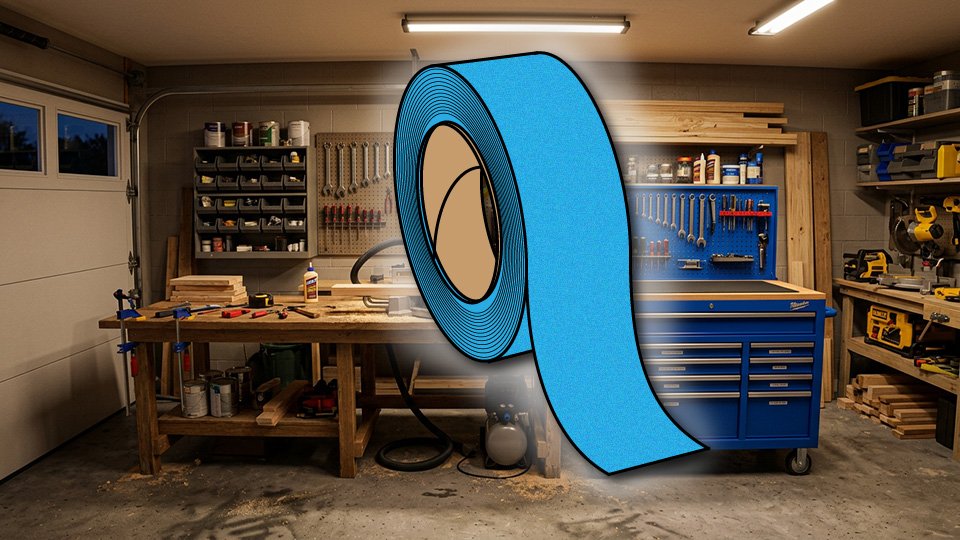
Paint bleeding under tape edges? Wrong tape, wrong technique, or wrong timing. Here’s how professionals use masking tape to get clean lines every time—no freehand needed.
-
How to Work with 2-Part Epoxy (Or: The Permanent Relationship You Didn’t Ask For)
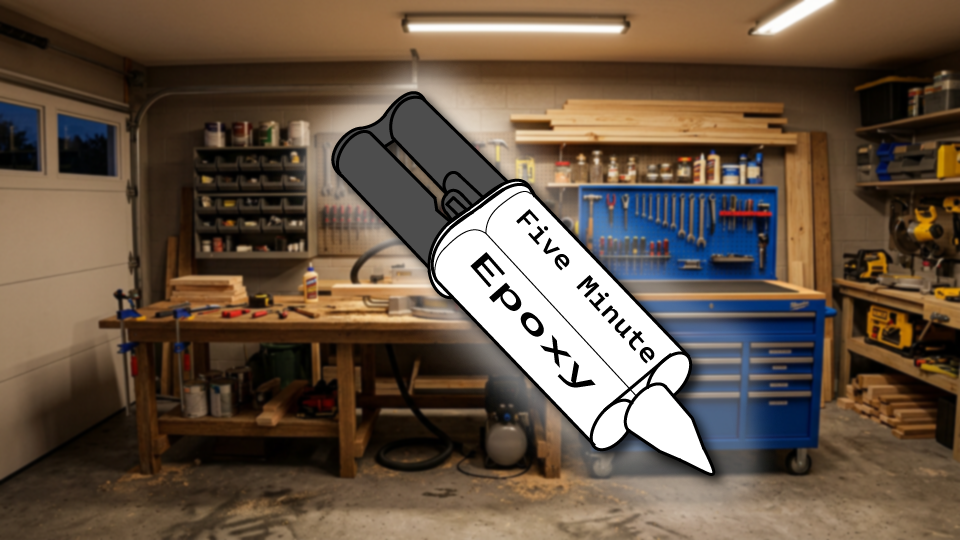
2-part epoxy bonds with everything including you. Here’s how to use it without becoming a permanent part of your project.
-
How to Work with Super Glues (Or: Fast, Precise, and Not Forgiving)
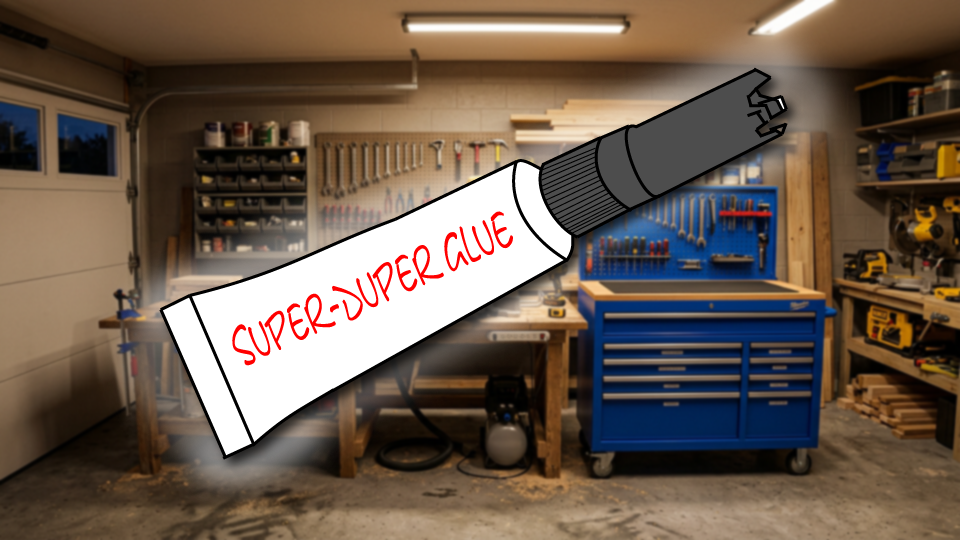
Super Glue works fast and bonds tight—but only on small surfaces with perfect fit and fingers. Here’s how to use it correctly, when to use it, and what to do when you mess up.
-
How to Use a Rotary Tool (Or: Why 30,000 RPM Isn’t the Same as Powerful)
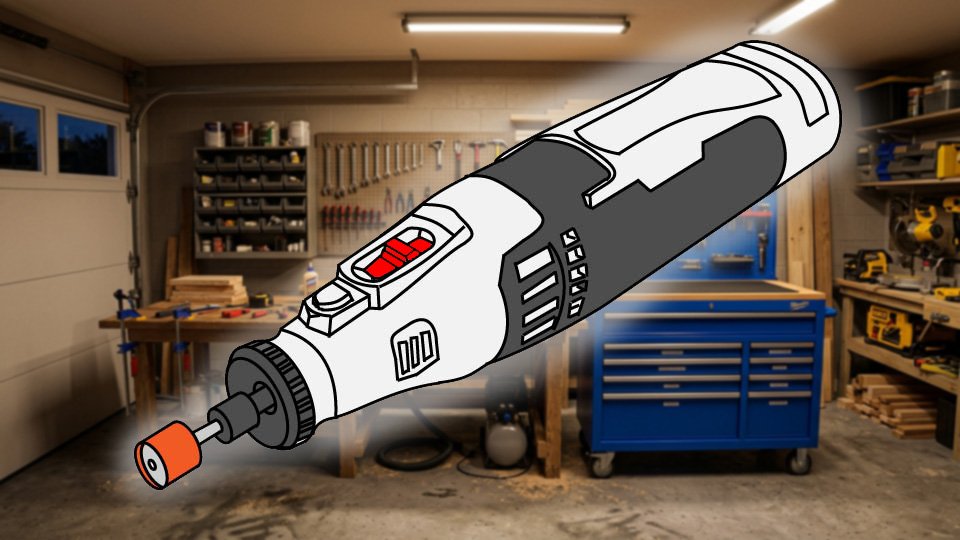
A rotary tool spins at 30,000 RPM and still can’t drive a screw. Here’s why speed and power aren’t the same thing, and what this little tool actually does.
-
How to Use a Spirit Level: Straight Is Not A Suggestion
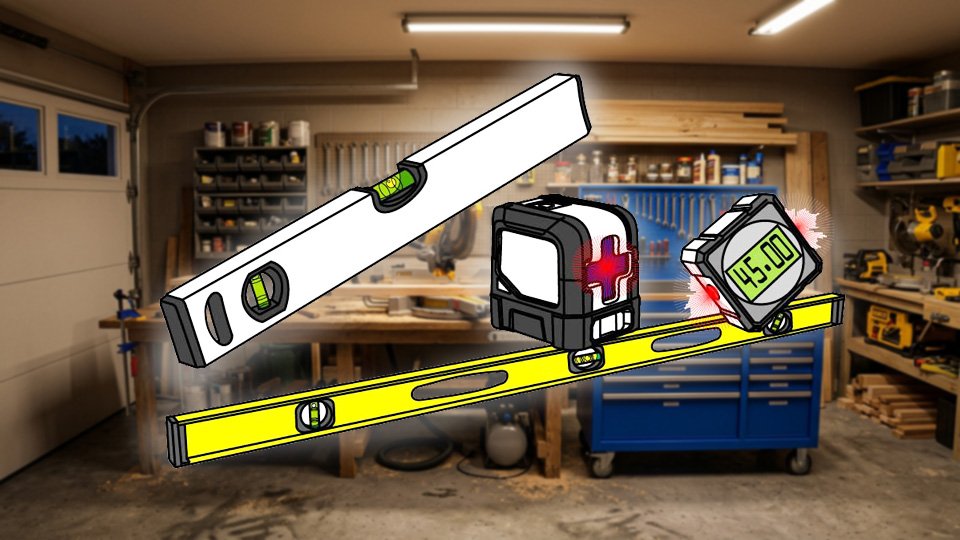
Your eye is genuinely bad at spotting a tilt, especially on something you built yourself. A spirit level doesn’t have that problem.
-
How to Work with Wood Glue (Or: Why More Glue Isn’t the Answer)
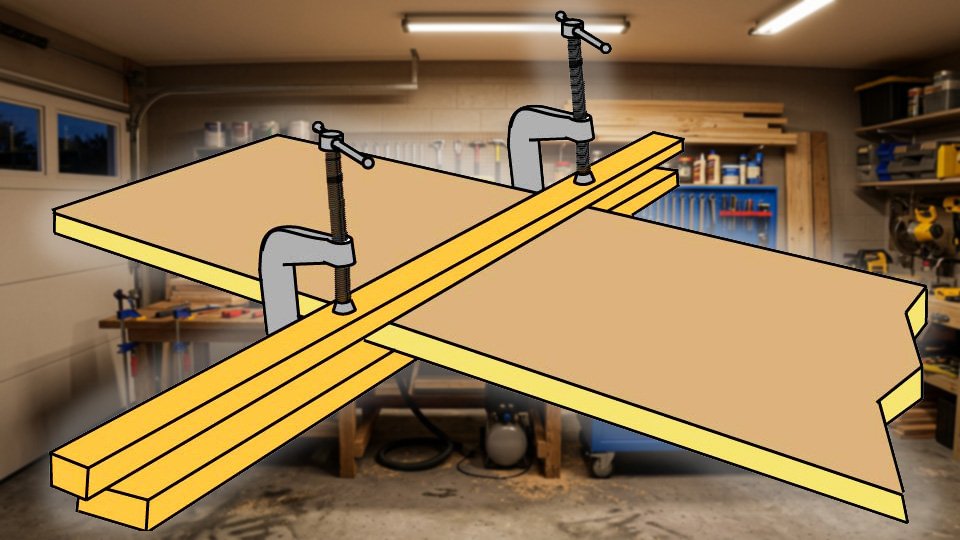
Wood glue isn’t just for wood—it’s PVA, the strongest adhesive for porous materials. Here’s why tight fit matters more than glue amount, and how to clamp for maximum strength.
-
How to Work with PVC Adhesives (Or: The Purple Liquid That Doesn’t Do Second Chances)
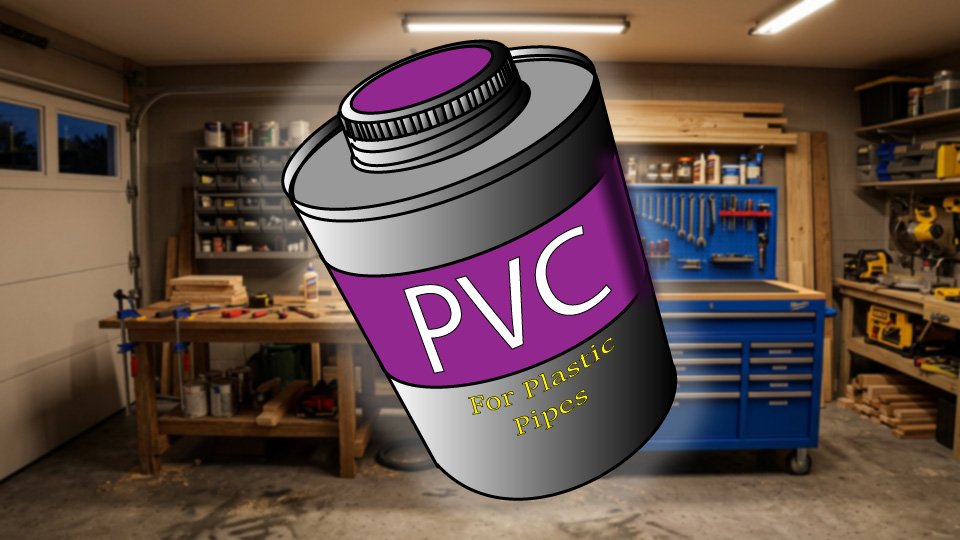
PVC cement doesn’t glue—it dissolves plastic and fuses joints permanently. Here’s how to work with it so your plumbing doesn’t leak and your mistakes don’t become disasters.
-
How to Use a Power Sander (Or: The Tool Does the Work, Not Your Elbow)
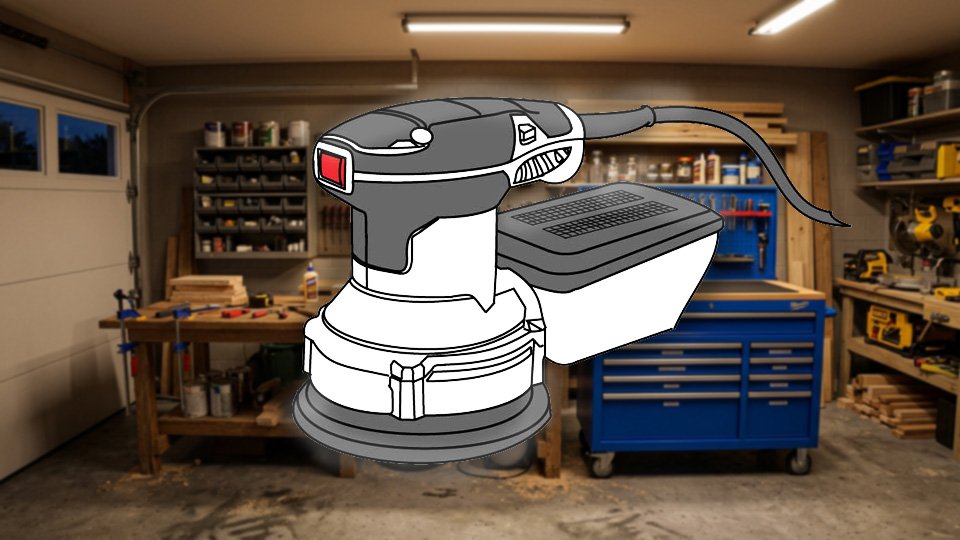
A power sander does the work through motion, not muscle — press down and you’re not sanding faster, you’re just sanding wrong.
-
How to Patch a Hole in Drywall (Or: Evicting the Tenant You Never Agreed to House)
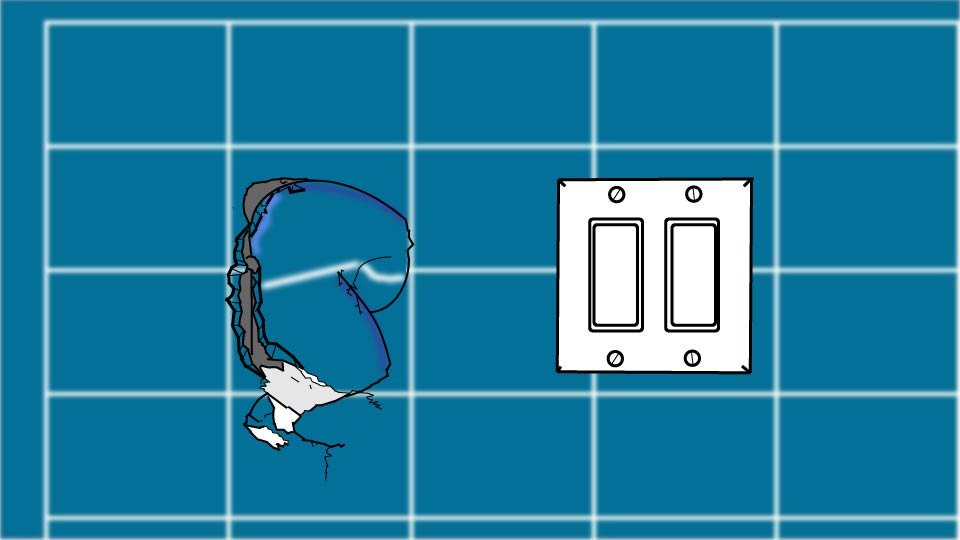
That hole has been staring back at you for months. It’s fixable, it’s not a big deal, and it definitely doesn’t deserve its own zip code.
-
How to Drive a Screw into Concrete
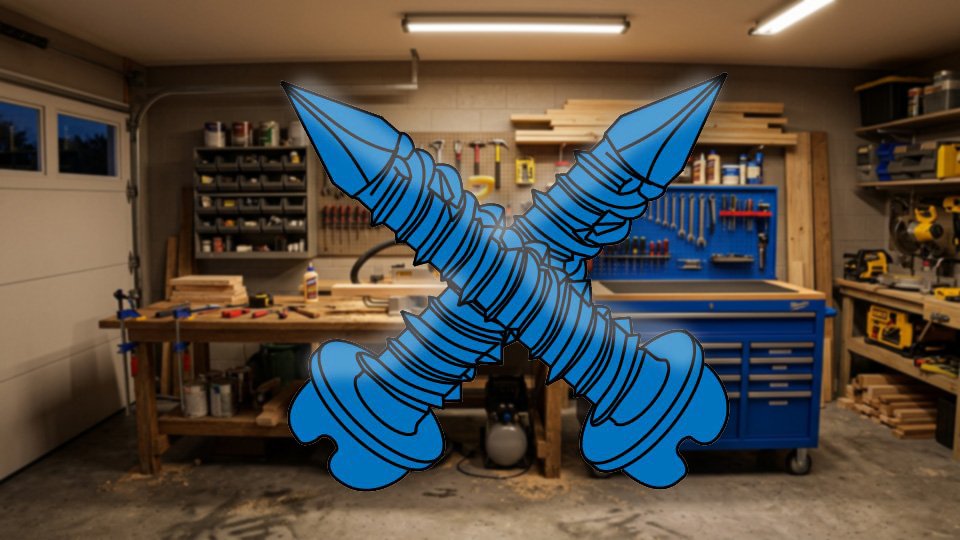
Concrete screws, not wood screws. Hammer drill, not regular drill. Here’s exactly how to drive a screw into concrete without breaking bits, stripping screws, or losing your mind.
-
How to Choose the Right Drill Bit (Right Now, Mid-Project)
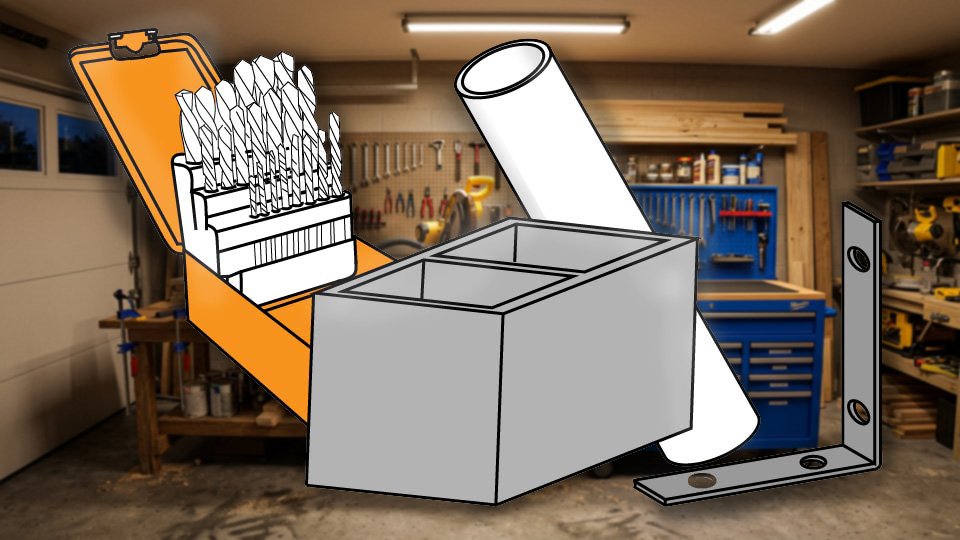
You’ve got the drill. You’ve got the bits. Now what? Quick guide to picking the right drill bit for wood, metal, concrete, drywall, or tile—with zero guessing.
-
How to Choose the Right Adhesive (Or: They’re Not All the Same)
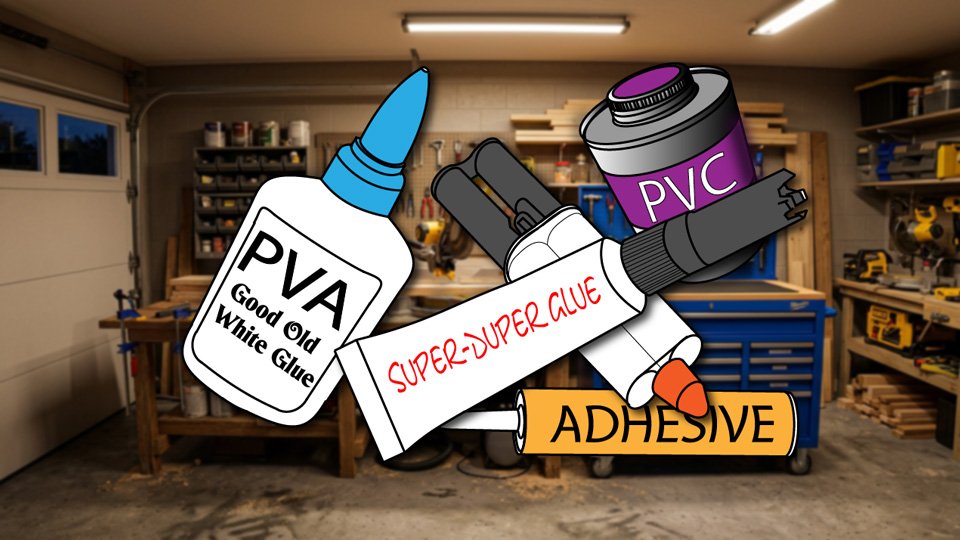
Super glue, wood glue, epoxy — they all say “strong bond” on the label, but they’re not the same product. Here’s how to match the right adhesive to the right job every time.
-
Nuts, Bolts, and Washers: What They Are and Which One You Actually Need
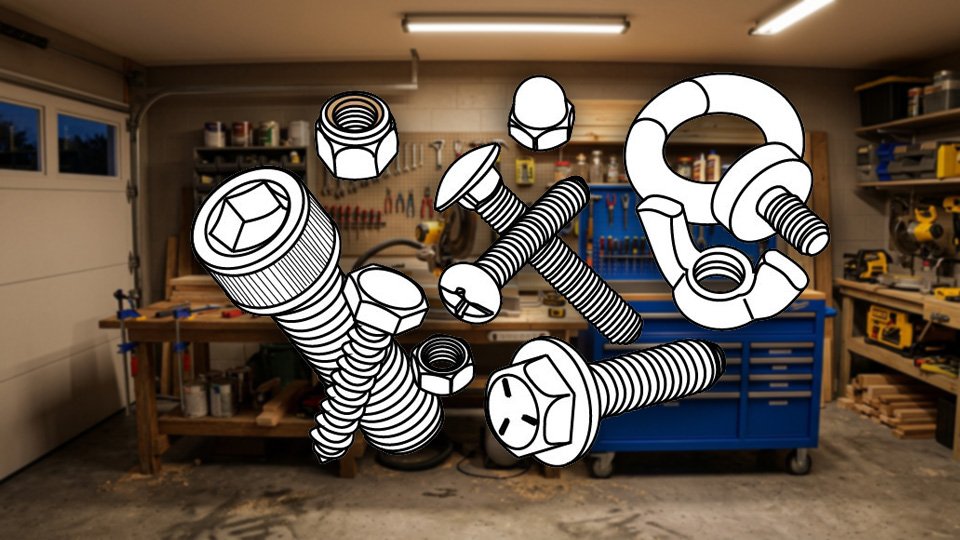
The hardware aisle doesn’t have to be overwhelming. Here’s what hex bolts, carriage bolts, lock nuts, and washers actually do — and the one assortment kit that ends the hardware store trips.
-
How to Choose the Right Caulk for Your Home (Or: They’re Not All the Same)
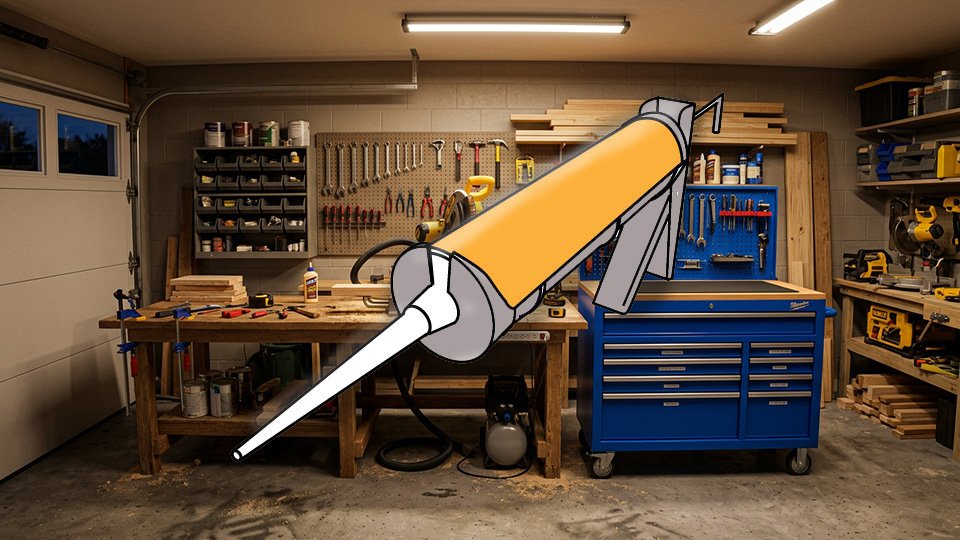
Not all caulk is the same — and grabbing the wrong one means peeling, cracking, or paint that won’t stick. Here’s how to match the right caulk to the right job, every time.
-
How to Use a Stud Finder (And Finally Stop Drilling Into Nothing)
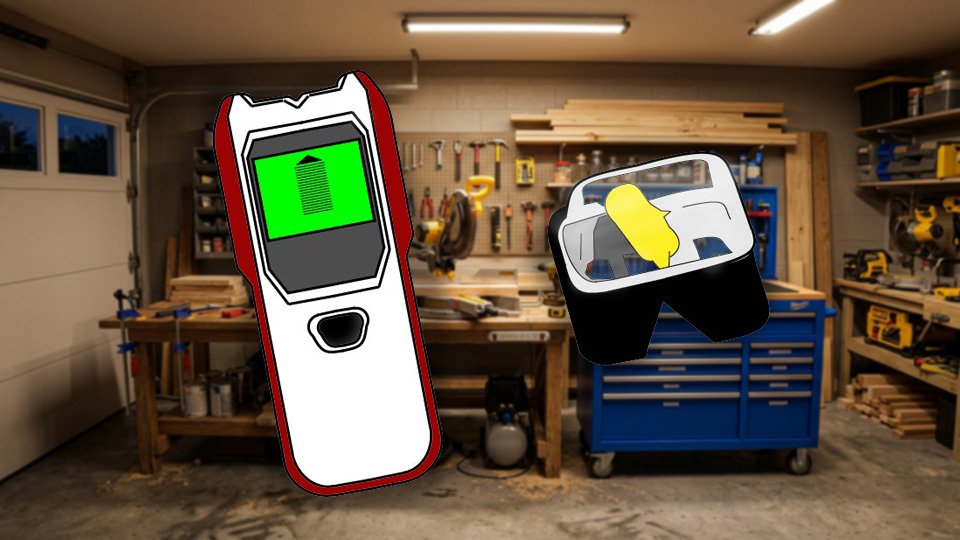
There’s a piece of wood hiding behind your drywall right now that can hold a TV, a shelf, or a cast-iron skillet rack — if you know how to find it. Here’s how to stop guessing and start drilling with total confidence.
-
How to Use Toggle Bolts and Anchors (Or: What to Grab When the Screw Just Spins)
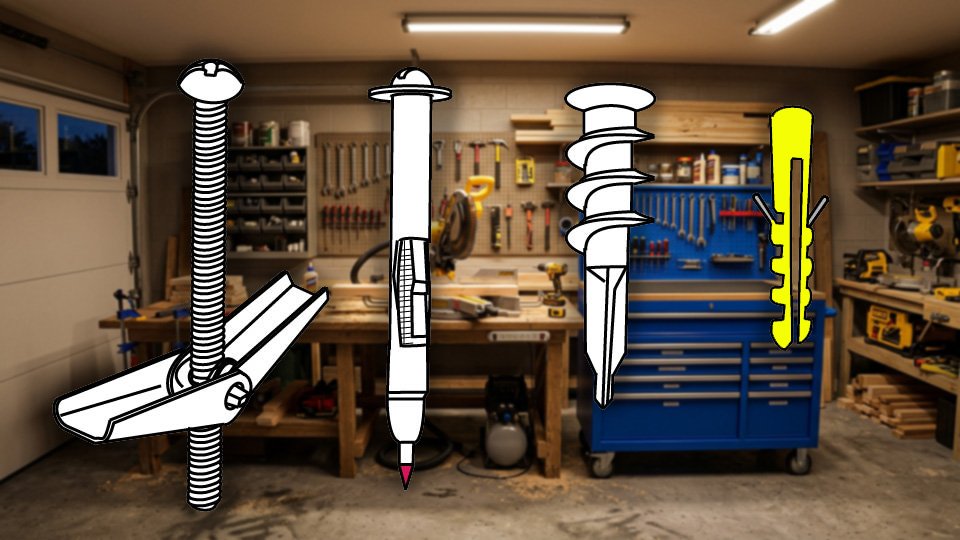
A screw spinning uselessly in drywall isn’t broken — it’s just missing something to actually grip. Here’s what to give it.
-
How to Repair Broken Porcelain and Pottery (Without Losing Your Mind)
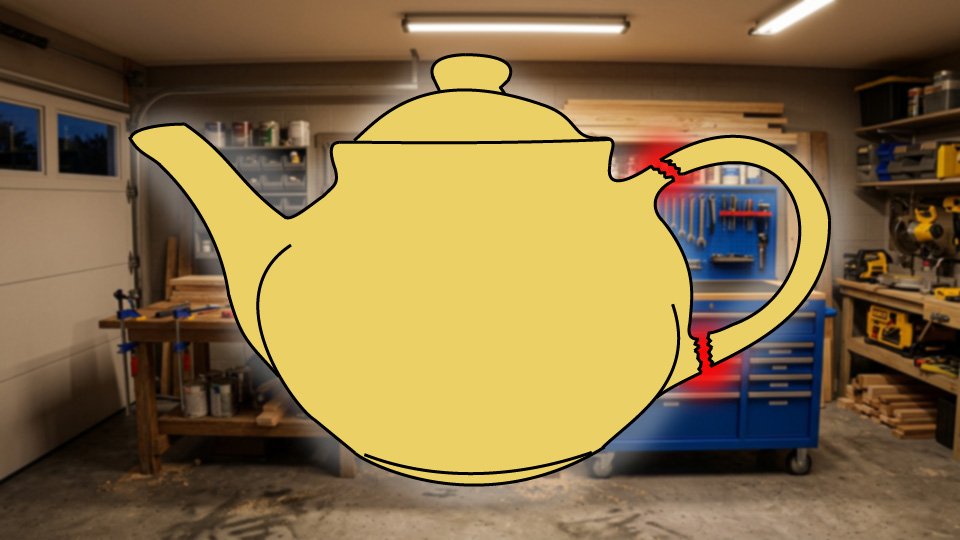
A broken mug or chipped porcelain doesn’t have to be a loss. With the right glue and a little patience, you can make the repair nearly invisible. Here’s exactly how.
-
How to Work with Wood: Understanding the Material Before You Cut
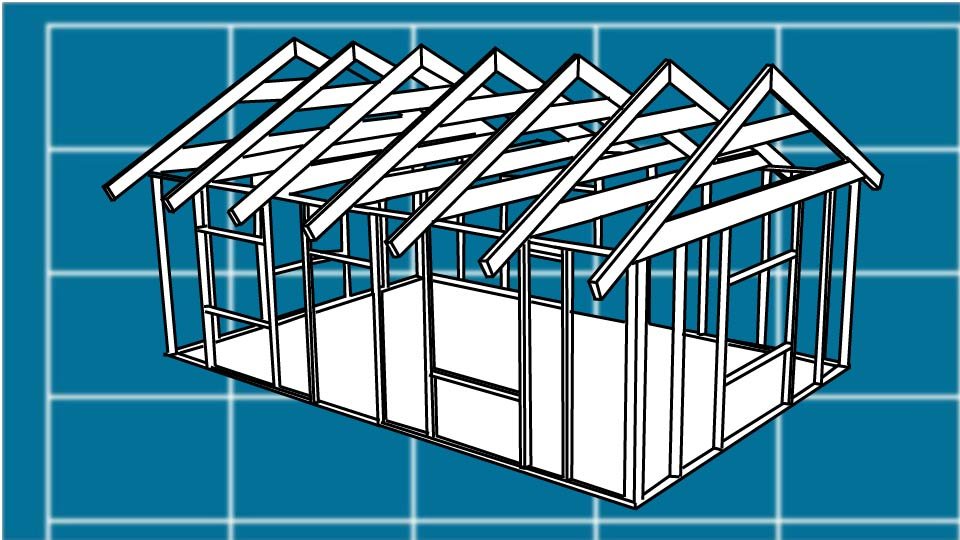
Wood isn’t complicated, but it has opinions about how you treat it. Here’s what you need to know: grain, knots, movement, and the shortcuts that fail later.
-
Working with Window Screens (Or: What’s Actually Between You and the Bugs)
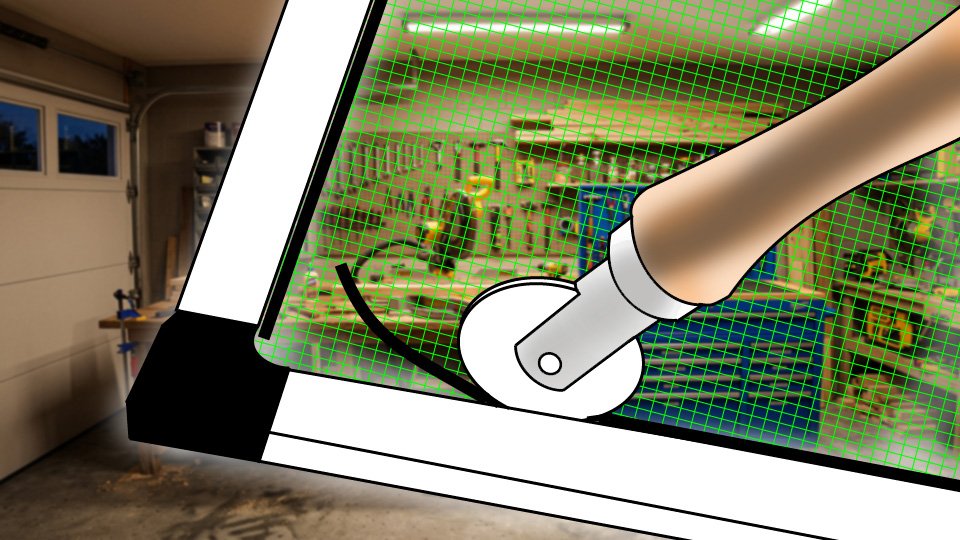
A screen looks like one thing, but it’s three parts working together — and knowing which one failed tells you whether to fix it or replace it.
-
Understanding Drywall: What’s Actually Behind That Smooth Wall
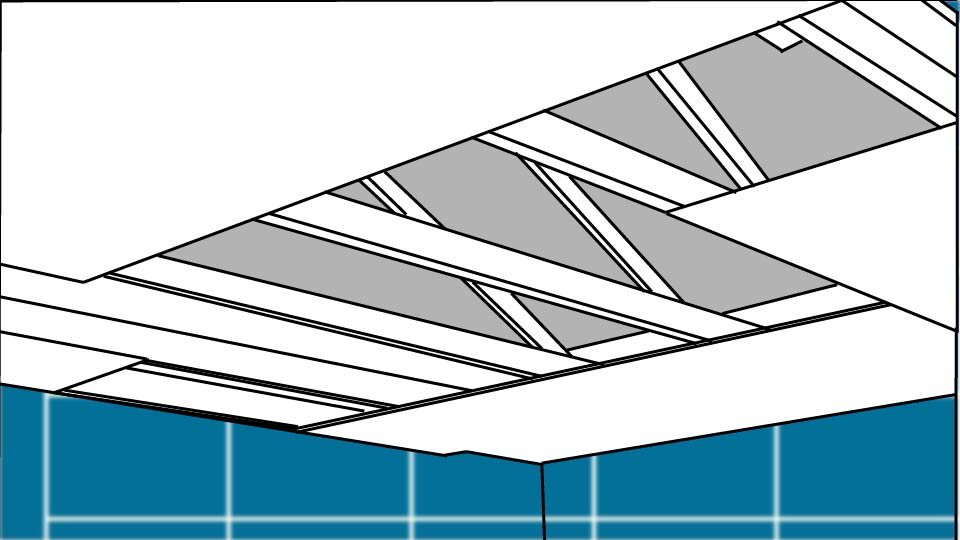
Every interior wall in your house is the same three ingredients — here’s what’s actually behind that smooth surface, and why it cracks the way it does.
-
How to Choose the Right Fastener (Or: Not Every Screw Wants the Same Job)
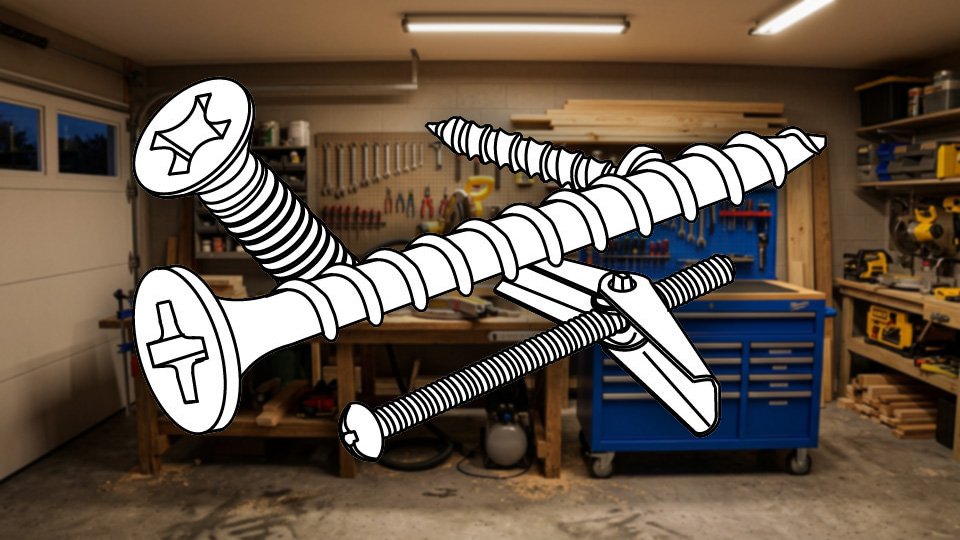
Wood, drywall, concrete, and metal all need a different fastener — here’s how to know which one before you’re holding the wrong screw.
Skip to content

Whatever broke, whatever you’re building — you’re closer to making it right than you think.